





Read More


Doctor lists 6 high-risk habits that exposes you to microplastics
30-04-2026 12:00 HKT







HK hit by sudden 9 degrees temperature dip amid cold front
29-04-2026 20:56 HKT


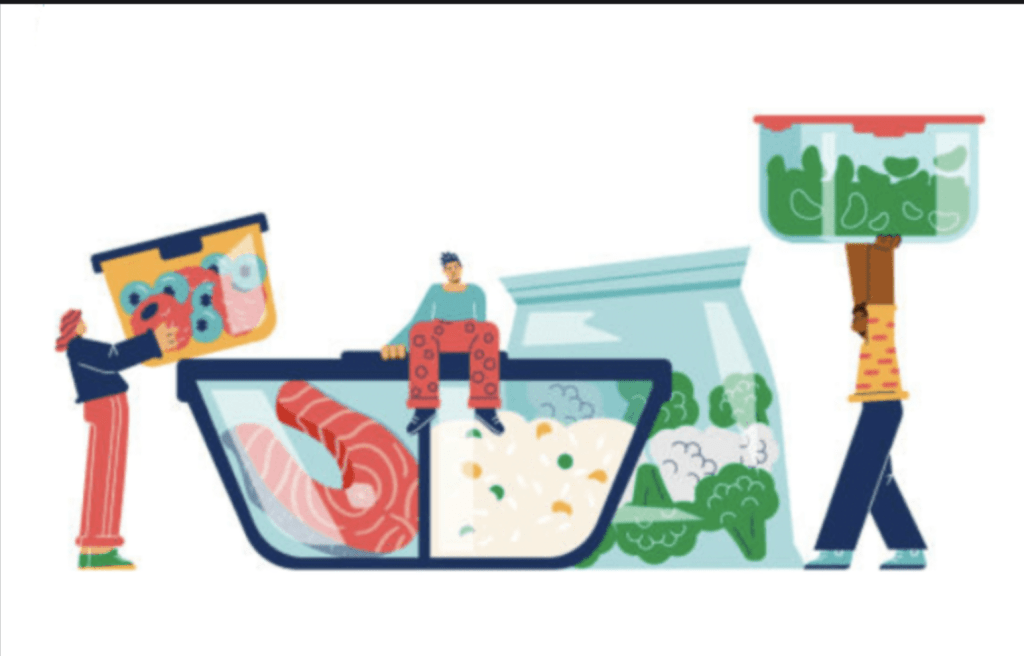
During the Lunar New Year period, families prepare abundant feasts to entertain guests, which often results in leftover dishes. However, consuming certain leftover dishes as overnight food without proper handling may pose health risks.
Taiwanese nephrologist Dr. Yung-Hsiang Hung previously pointed out on the health program "Health 2.0" that the term "overnight food" does not only refer to food left until the next day. Any dish that has been stored for more than eight hours can be considered overnight food. He cautioned that repeatedly heating and consuming leftovers could harm the body and listed four types of New Year's dishes unsuitable for reheating.
Vegetables like spinach and cabbage absorb and convert nitrogen fertilizers used during cultivation into "nitrates." When cooked vegetables are left for extended periods (e.g., overnight), bacteria break down the harmless nitrates into "nitrites."
After ingestion, nitrites can react with stomach acid or combine with amine-containing foods like seafood or meat to form "nitrosamines," which are carcinogenic. Long-term or excessive intake may adversely affect health.
Once cooked food cools below 50°C, it becomes a breeding ground for bacteria. Even when refrigerated, bacteria multiply slowly. Seafood, being a high-protein food, is particularly susceptible to bacterial contamination.
Although reheating overnight seafood can kill most bacteria, this process should only be done once at most. If leftovers remain after reheating, they should absolutely not be refrigerated again. Otherwise, bacteria will multiply rapidly, and consuming them again could easily lead to digestive issues like acute gastroenteritis.
If eggs are not fully cooked (e.g., soft-boiled or runny eggs), the cooking temperature is insufficient to kill all original bacteria like Salmonella, resulting in a relatively higher initial bacterial count.
Storing them overnight allows bacteria to multiply significantly, potentially causing gastrointestinal discomfort, diarrhea, or food poisoning. Therefore, soft-boiled eggs are not suitable as overnight food.
This dish contains a rich combination of ingredients, including seafood, meat, and various vegetables, making it nutritionally comprehensive. However, this also means that if just one ingredient spoils due to improper storage, the entire pot becomes contaminated through bacterial cross-contamination.
General advice suggests not refrigerating Fotiaoqiang for more than two days. If consuming it in batches, immediately after the first serving, portion out the leftovers into clean, sealed containers or zipper bags to avoid reheating the whole pot repeatedly. When reheating, ensure the core temperature reaches above 70°C for effective sterilization. Similarly, it is recommended to reheat only once and consume it all in that meal.