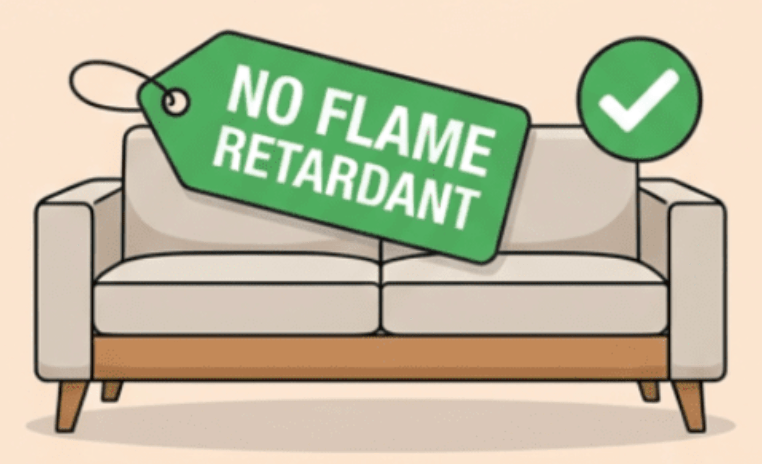
The New Year is approaching—time for spring cleaning, "clearing out the old and welcoming the new," to bring a fresh atmosphere to your home. However, elderly family members might be particularly attached to old items, reluctant to throw away a sofa used for decades, filled with memories. But these worn-out pieces of furniture could become a hidden health hazard for the entire family, releasing toxic chemicals day after day, increasing cancer risk, and potentially even causing cognitive deficits in children.
The Environmental Working Group (EWG) in the US points out that older sofas, chairs, and other furniture containing foam, in order to meet flammability standards, were treated with large amounts of toxic flame retardants. Over time, these chemicals slowly migrate from the sofa's seams and tears into the air, contaminating the entire home environment. Studies have confirmed that long-term exposure to these chemical-laden dusts is linked to a variety of serious health problems, including cancer, thyroid disease, neurological damage, and reduced fertility.
Even more concerning is the harm to young children. They crawl and play on the floor daily, then put their hands in their mouths, making them most susceptible to inhaling toxic dust. This exposure can impair their motor skills, concentration, and even affect IQ development.
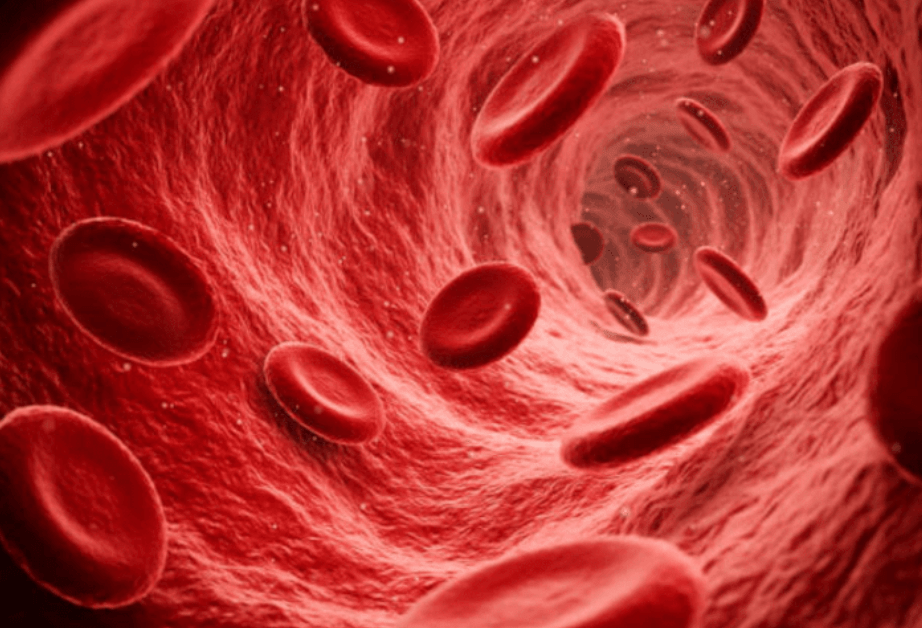
According to a recent study conducted by the EWG and other organizations, when a family removed or replaced their old sofa, the levels of flame retardant chemicals in family members' blood decreased 2 to 4 times faster than in families that did not replace their sofas. They tested two classes of flame retardants commonly added to foam furniture like sofas and chairs: polybrominated diphenyl ethers (PBDEs) and organophosphate flame retardants (OPFRs) . Notably, after removing furniture containing these flame retardants, PBDE levels in participants' blood dropped faster, but there was no significant effect on OPFR levels. Earlier studies also found that replacing old furniture reduced flame retardant levels in household dust.
Infants Can Ingest Toxic Flame Retardants Through Breast Milk
Hong Kong's Centre for Food Safety (CFS) states that PBDEs are man-made flame retardants commonly found in plastics, foam, and textiles. These chemicals are difficult to break down, accumulate in organisms and the environment for long periods, and are potentially toxic. Research shows PBDEs have negative effects on the brain, reproductive organs, neurodevelopment, and thyroid hormone levels in animals, and can also impair liver function. Humans primarily ingest PBDEs through inhaling contaminated indoor air and household dust, as well as through food (including breast milk). It is estimated that 82% of PBDEs in Americans' bodies come from household dust. Studies have found that PBDE levels in human blood, tissues, and breast milk are increasing rapidly.
How to Avoid Inhaling Flame Retardants in Daily Life?
For the long-term health of your family, especially the healthy growth of the next generation, the EWG recommends taking the following steps to reduce exposure to flame retardants:
- Try to purchase sofas, armchairs, and children's products that are free of flame retardants: In recent years, regulations on the use of various toxic chemicals have become increasingly stringent in Europe and America. However, if your sofa or chairs are many years old, the risk of them containing harmful flame retardants is relatively higher. It might be time for a good "decluttering" (Danshari).
- Wash hands frequently, vacuum often: To reduce exposure risk, wash hands regularly, especially before eating. Additionally, regularly clean your home with a vacuum cleaner equipped with a HEPA filter to more effectively capture and remove toxic dust from the air.
- Check your sofa for damage: If the sofa cover is torn, exposing the inner foam, the release of chemicals will accelerate. Repair or replace it as soon as possible.