To reverse fatty liver, diet is the most crucial starting point. A nutritionist highly recommends the liver-protective effects of the Mediterranean diet for improving fatty liver. Want to try it but don't know where to begin? The nutritionist also shares a 3-day sample menu, perfect for beginners to start adjusting their three daily meals, helping the body fight inflammation and reduce visceral fat accumulation.
Nutritionist Yang Si-han explained on her Facebook page that fatty liver is an extremely common health issue today. However, adopting the correct dietary pattern can effectively improve or even reverse it. For example, the "Mediterranean Diet" is considered the top dietary recommendation for combating fatty liver, with its effectiveness endorsed by numerous medical studies.
She breaks down the principles and key benefits of the Mediterranean diet:
- Anti-Inflammatory Healthy Fats: Rich in Omega-3 and monounsaturated fats from olive oil, nuts, avocados, and deep-sea fish, helping to reduce inflammation and liver fat accumulation.
- High Fiber, High Satiety: Abundant vegetables, fruits, and whole grains provide rich dietary fiber, stabilizing blood sugar, increasing fullness, and aiding toxin metabolism to lighten the liver's burden.
- Quality Protein: Replaces red meat with fish, seafood, soy products, and eggs, providing the building blocks for body repair while reducing saturated fat intake.
- Natural Antioxidants: Rich in phytochemicals and vitamins, boosting the body's antioxidant capacity and protecting liver cells.
Mediterranean Diet 3-Day Sample Menu to Reduce Liver Fat
To help beginners easily implement the Mediterranean diet in their lives, she proposed a 3-day sample menu. The combination of healthy fats and ample vegetables not only provides balanced nutrition but also helps protect the liver and reduce fat accumulation.
Day 1:
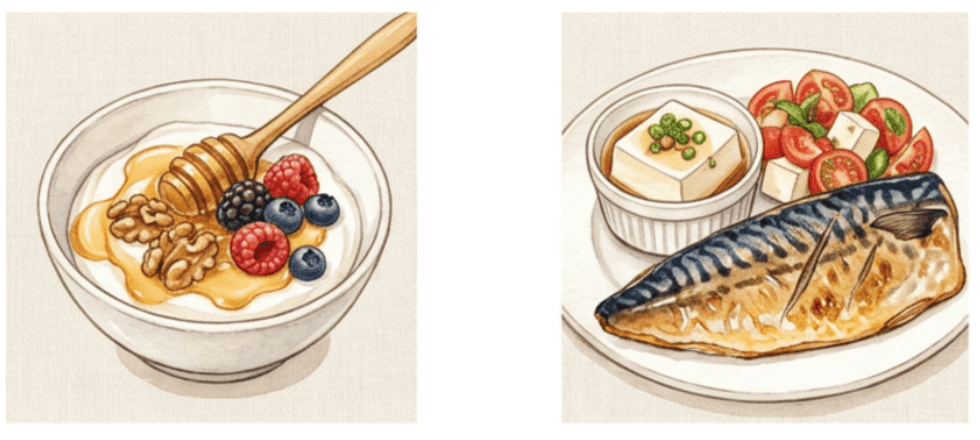
- Breakfast: Greek yogurt
- Lunch & Dinner: Grilled mackerel (rich in Omega-3) paired with tomato and soft tofu (quality plant protein)
Day 2:
- Breakfast: Avocado toast (provides healthy fats)
- Lunch: Quinoa chicken warm salad (perfect fiber-protein combo)
- Dinner: Pan-seared salmon
Day 3 (Chinese-style Adaptation):
- Breakfast: Multigrain steamed bun with scrambled egg and spring onion
- Lunch: Steamed fish with sweet potato
- Dinner: Multigrain rice with a large portion of vegetables and seaweed strips
Tips:
- Use olive oil for cooking and prefer low-temperature methods like steaming, boiling, dry-pan-frying, or baking.
- Consume ample vegetables—at least two servings (about one bowl) per meal.
- For snacks, choose whole foods like fruit or unsalted nuts, avoiding processed snacks.
- Don't neglect hydration; drink plenty of water and reduce sugary beverages.
What Foods Can You Eat on the Mediterranean Diet?
The Mediterranean diet not only protects the liver and improves fatty liver but also has potential benefits like aiding weight loss, preventing obesity, reducing heart disease and stroke risk, preventing cognitive decline, fighting inflammation, and alleviating depressive symptoms. It has been ranked the "Best Overall Diet" for multiple consecutive years. Here's a detailed food selection guide:
- Eat at Every Meal:
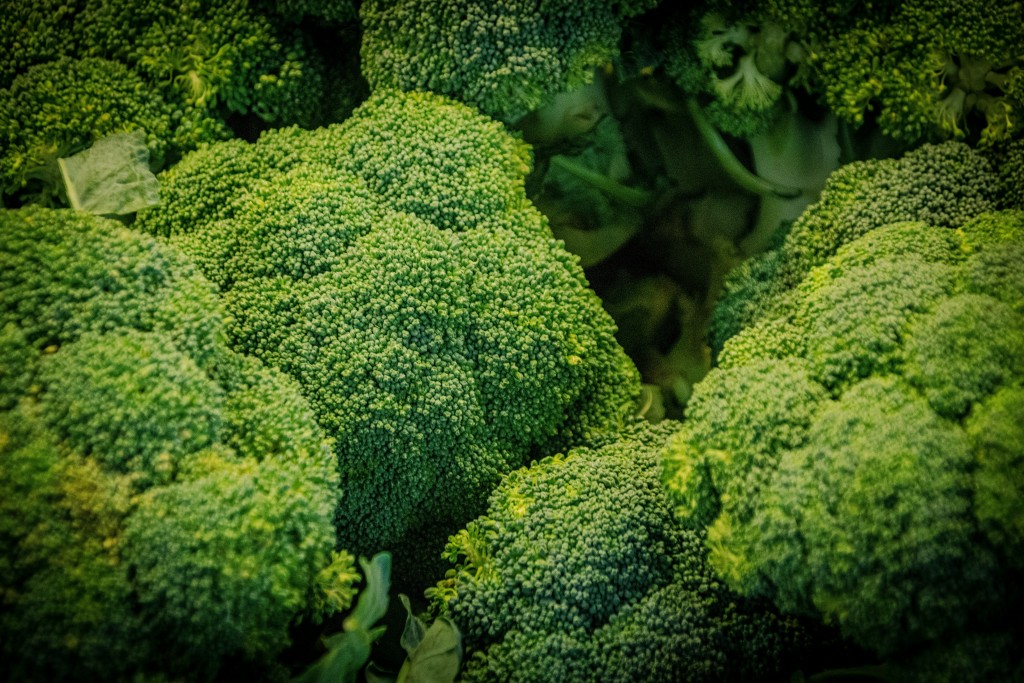
- Fresh fruits and vegetables (almost unlimited, excludes potatoes).
- Whole grains (quinoa, barley, oats, etc.).
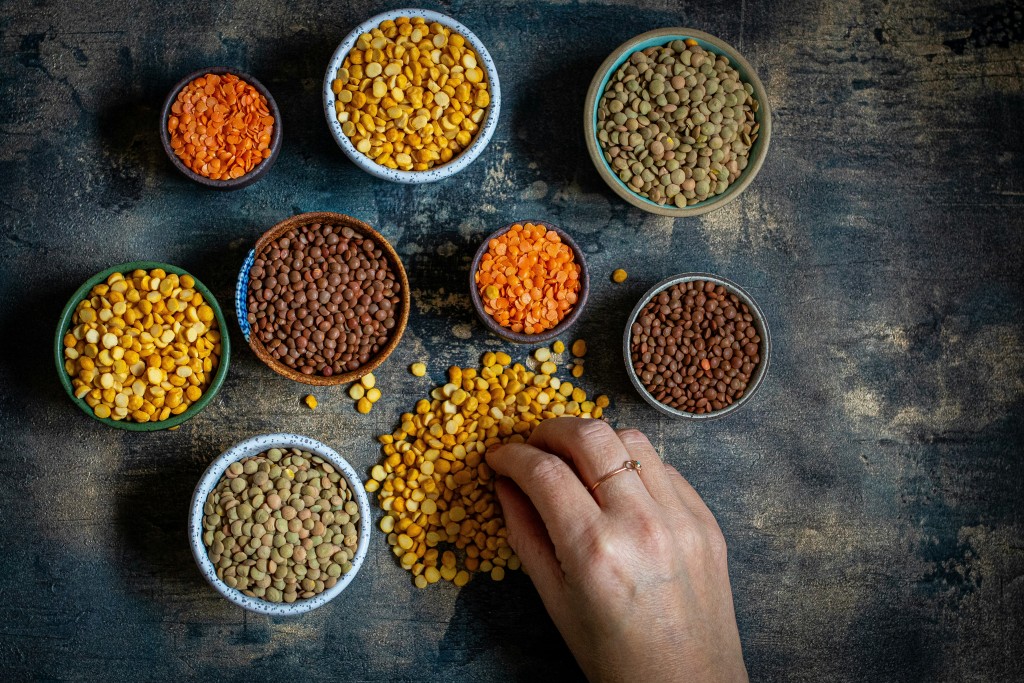
- Legumes (peas, lentils, soybeans, etc.) for protein, fiber, vitamins, minerals.
- Nuts and seeds (almonds, walnuts, flaxseed, chia seeds, etc.) as snacks.
- Olive oil (preferably extra virgin) as the primary fat source; avoid other vegetable oils and animal fats.
- Eat Frequently:
- Fish and seafood (e.g., salmon, tuna) – at least twice a week.
- Eat in Moderation:
- Poultry (chicken, turkey) – can be eaten moderately weekly.
- Dairy (yogurt, natural cheese) for calcium, vitamin D, potassium.
- Alcohol – up to one drink per day; if you don't drink, it's not encouraged to start.
- Limit or Avoid:
- Red meat, sweets, processed foods, cream, sugary drinks.
Fatty Liver Can Lead to Cirrhosis or Liver Cancer: Understanding Risk Factors
According to information from the Chinese University of Hong Kong's Liver Care Centre, fatty liver related to metabolic indices like obesity, diabetes, and the "three highs" (high blood pressure, blood lipids, blood sugar) is termed "Metabolic Fatty Liver Disease." Fatty liver usually has no symptoms. If it progresses to fatty liver hepatitis, liver inflammation symptoms may appear but are often non-specific (e.g., fatigue, loss of appetite). By the time obvious symptoms like jaundice or ascites appear, it may have already developed into cirrhosis or liver cancer.
Causes of Fatty Liver:
- Accumulation of excess visceral fat, usually due to excessive calorie intake (high-sugar, high-salt, high-fat diet) and lack of exercise.
- Rapid weight loss or steroid medication can also cause fatty liver, but these are less common.
Who is Prone to Fatty Liver?
- Central obesity ("big belly")
- High blood lipids
- High blood pressure
- High blood sugar or diabetes
- Lack of exercise
- Excessive alcohol consumption (classified as "Alcoholic Fatty Liver")
Diagnosis typically relies on an upper abdominal ultrasound scan during a physical exam. Liver elastography can also measure liver fat percentage, though it's primarily used to assess liver stiffness. Since fatty liver is closely related to coronary heart disease and metabolic syndrome, doctors will also assess for concurrent central obesity, hypertension, diabetes, and hyperlipidemia.