Read More


Doctor recommends 3 low-calorie desserts
22 hours ago

4 warning signs of scalp sunburn
23-08-2026 12:00 HKT

IT manager sentenced to 22 months for stealing $1.2m in Deloitte laptops
21-08-2026 21:49 HKT


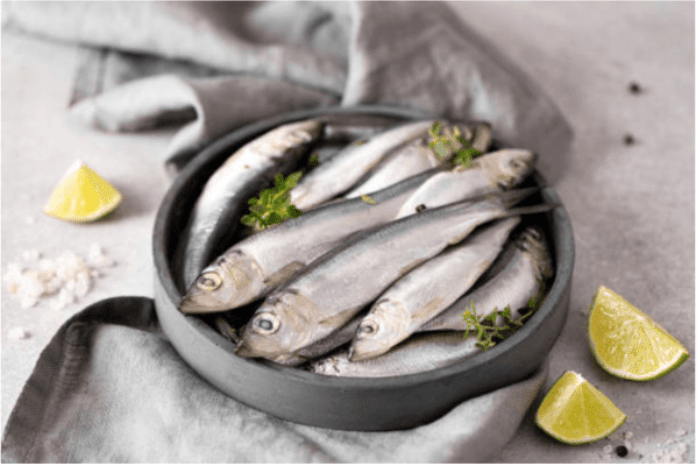
Fish is widely recognized as a healthy food and a cornerstone of the recommended Mediterranean diet. Experts are now unraveling fish's unique "anti-aging properties" and comparing the Omega-3 content of 12 different fish. So, which fish emerges as the "ultimate anti-aging fish," combining benefits for blood vessels, brain activation, and even hair loss prevention? And how do the effects of Omega-3s like EPA and DHA differ?
According to a report by Japanese media Fujin Kōron, journalist and health writer Sasai Eriko points out that daily diet is closely linked to one's apparent age. Dr. Hidetoshi Wada, who specializes in anti-aging treatment, emphasizes that "fats are just as important as muscles in preventing aging." For example, the absorption and storage of fat-soluble vitamins A, D, and E, as well as cell renewal and metabolism, all critically depend on fats.
However, fats from meat can coagulate in the blood, and consuming large amounts of high-fat meat increases the risk of arteriosclerosis. In contrast, the fats in fish have a blood-thinning effect, helping to neutralize the effects of meat fats. This is the unique "anti-aging benefit" of fish. Therefore, Sasai Eriko suggests that if you eat high-fat meat like steak one day, the next day you shouldn't necessarily eat light; instead, you should eat fatty fish.
Fish is rich in Omega-3 fatty acids. Dr. Higashimaru Takanobu, Director of the Comprehensive Health Screening Center at Heisei Yokohama Hospital, lists the numerous functions of Omega-3:
Eriko lists 12 fish rich in Omega-3 and ranks them based on their total content per 100g of edible portion to identify the "ultimate anti-aging fish":
Eriko notes that while there are many types of Omega-3, EPA and DHA are particularly effective for anti-aging, but they target different areas:
Top 5 Fish High in DHA (per 100g):
Top 5 Fish High in EPA (per 100g):
The above rankings are based on the nutritional value when consumed raw.
Norwegian Mackerel ranks at the top across all three lists, earning it the title of the "ultimate anti-aging fish." Bluefin Tuna, Pacific Saury, and Yellowtail are also excellent choices. However, Sasai Eriko cautions that fresh mackerel may carry parasite risks (e.g., Anisakis), so opting for canned versions might be safer, though the Omega-3 content is reduced by about half.
According to the U.S. National Institutes of Health (NIH), adult women should consume about 1.1 grams of alpha-linolenic acid (ALA, a plant-based Omega-3) daily, while adult men should consume about 1.6 grams. ALA is commonly found in foods like flaxseeds, chia seeds, and walnuts.
Regarding DHA and EPA, for patients with coronary heart disease, the American Heart Association (AHA) recommends consuming approximately 1 gram of EPA plus DHA daily, preferably from oily fish. Furthermore, data published in the Journal of the American Heart Association indicates that daily intake of up to 3 grams of EPA and DHA may help maintain healthy blood pressure levels. Other data from the same journal suggests that consuming more than 2 grams of DHA and EPA daily can help lower triglycerides and "bad" LDL cholesterol.