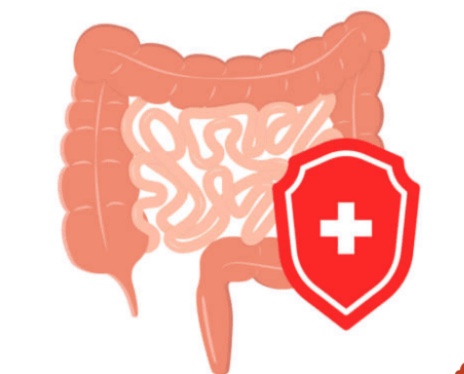
Colorectal cancer is the third most common cancer in Hong Kong, with over 5,000 new cases diagnosed annually. Its fatality rate is second only to lung cancer. As modern lifestyles evolve, there's a worrying trend of colorectal cancer affecting younger individuals. Fortunately, it is one of the few cancers that can be prevented through regular screening. Undergoing routine colonoscopies allows for the detection and removal of polyps before they develop into cancer, effectively reducing the risk of the disease.
Why is a Colonoscopy Crucial for Preventing Colorectal Cancer?
Colorectal cancer (including cancers of the colon and rectum) is one of the most common malignant tumors worldwide. In Hong Kong, both its incidence and mortality rates are rising year by year. Currently, it holds the position as the third most common cancer locally, with patients trending younger. According to data from the Hong Kong Cancer Registry, there were 5,467 new cases of colorectal cancer in 2023—3,169 in men and 2,298 in women—resulting in 2,266 deaths. This accounts for 15.2% of all cancer deaths, making it the second leading cause of cancer mortality after lung cancer.
Research shows that if colorectal cancer is detected and treated early, the patient survival rate can be as high as 91%. International data robustly confirms that colorectal cancer screening effectively reduces its incidence. For example, in the United States, where asymptomatic individuals are advised to begin regular screening at age 50, cases among those over 50 have recently shown a decline.
A colonoscopy allows direct visualization of the colon and rectal mucosa, detecting minute lesions invisible to the naked eye, such as adenomatous polyps, ulcers, or early-stage tumors. Studies indicate that over 90% of colorectal cancers develop from adenomatous polyps. A colonoscopy not only identifies these lesions but can also immediately remove these potential sources of cancer, effectively interrupting the carcinogenic process.
Furthermore, if abnormal tissue is found during the procedure, samples can be taken for pathological analysis, enhancing diagnostic accuracy. Compared to fecal occult blood tests, a colonoscopy can detect not only cancer but also asymptomatic polyps, significantly reducing the risk of missed diagnoses.
Who Should Get a Colonoscopy?
The need for a colonoscopy can be assessed based on the following criteria:
- Age 50 or above
- Family history of colorectal cancer
- Presence of symptoms such as changes in bowel habits, blood in stool, abdominal pain, bloating, unexplained weight loss, or anemia
- Diagnosis of inflammatory bowel disease
- Suspected presence of colorectal polyps
Individuals experiencing any related symptoms should seek professional medical advice promptly and should not rely solely on online information to self-assess the need for a colonoscopy. Early detection and diagnosis are critical for successful treatment outcomes, so delaying medical consultation is not advisable.
How Often Should You Get a Colonoscopy?
According to recommendations from Hong Kong's Department of Health, individuals aged 50 and above in good general health should undergo a colonoscopy every 5 to 10 years. The following groups are advised to shorten the interval to every 3 to 5 years:
- Individuals with a first-degree relative diagnosed with colorectal cancer before age 60
- Patients with a history of adenomatous polyp removal
- Patients with chronic ulcerative colitis
If the initial examination reveals numerous or large adenomatous polyps, or polyps with high-grade dysplasia, annual follow-up examinations may be necessary.
Is a Colonoscopy Painful? How Long Does It Take?
Currently, at private hospitals and day procedure centers, colonoscopies are mostly performed under monitored anesthesia care (MAC), overseen by an anesthesiologist. The process is comfortable and has a high safety profile. Patients remain unconscious and pain-free throughout the procedure.
The anesthesiologist monitors the patient's vital signs—including heart rate, blood pressure, pulse, and blood oxygen levels—and administers anesthesia as needed. This allows the endoscopist to focus entirely on the examination and any necessary treatment, facilitating a more thorough and comprehensive inspection of the colon.
In summary, the entire colonoscopy procedure is painless and unconscious for the patient. The examination itself is relatively quick, typically taking only 30 minutes to an hour. If you have any concerns about the procedure, you can fully discuss them with your attending physician. You may also consult with the anesthesiologist for a detailed explanation of the procedure's safety and any anesthesia-related risks.
What Preparation is Required Before a Colonoscopy?
The following preparations are necessary before a colonoscopy to ensure its effectiveness and safety:
1. Medication Management
Actively inform your doctor of all medications you are taking (including prescription, over-the-counter drugs, and nutritional supplements). Your doctor may advise temporarily stopping specific medications such as blood thinners, iron supplements, aspirin, and diabetes medication.
2. Medical History
Provide an accurate account of your past medical history, surgical history, allergies, and any other special conditions. This helps the doctor assess your health status and formulate an appropriate examination plan.
3. Dietary Restrictions and Bowel Preparation
Several days before the exam, you will need to follow specific dietary restrictions (e.g., a low-fiber, bland diet) to reduce intestinal residue and ensure a clear visual field during the examination. Your doctor will prescribe bowel preparation medication or laxatives to be taken the day before the procedure.
What Should You Be Mindful of After a Colonoscopy?
After the procedure, due to the use of sedatives or anesthesia, it is advised that patients return home accompanied by at least one adult. Resting at home on the day of the procedure is recommended, and solitary activities should be avoided.
Within 24 hours post-procedure, the effects of anesthesia may not have fully worn off, potentially temporarily affecting coordination and judgment. Therefore, avoid driving, consuming alcohol, signing important documents, cooking with open flames, and making significant decisions. Diet-wise, aside from avoiding very hard or high-fiber foods, patients can generally resume normal eating. If polyps were removed during the examination, follow your doctor's instructions, which may include avoiding specific high-fiber fruits and vegetables for about ten days post-procedure to reduce intestinal irritation.
Post-procedure, it's important to replenish electrolytes and fluids adequately. Normal daily activities can usually be resumed. Be aware of the risk of bleeding. If you plan to travel abroad, discuss contingency plans with your doctor in advance. If you experience persistent abdominal pain, bleeding, fever, vomiting, or any other abnormal symptoms, contact the examination facility immediately for assistance, as a return to the hospital for further examination or treatment may be necessary.