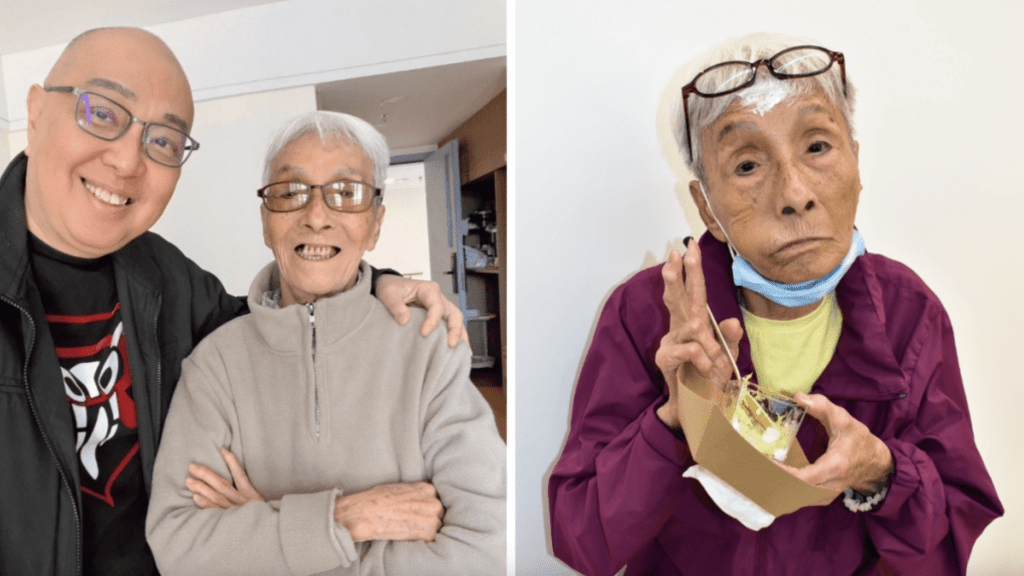
The 87-year-old veteran actress Leung Oi recently revealed she has been diagnosed with pancreatic cancer. With a philosophical outlook on life and death, she has refused chemotherapy, choosing instead to "coexist peacefully" with the cancer. Her friends in the entertainment industry recently shared photos from a visit, showing her looking thin but with a bright smile and good spirits. Pancreatic cancer is often called the "king of cancers" and is frequently detected only at a late stage, impacting survival rates.
Revelation of Pancreatic Cancer Diagnosis Over Half a Year Ago
Leung Oi, once a Cantonese film actress, later worked for both TVB and ATV, earning the nickname "Go-to Maid." She immigrated to Canada with her husband but returned to live in Hong Kong after his passing. Currently, needing care, she resides in a nursing home in Shenzhen. In a recent interview with Sing Tao Headline, she revealed that she sought medical attention due to unbearable pain in both legs and difficulty walking, which led to the pancreatic cancer diagnosis. Her weight dropped rapidly after the diagnosis, now under 70 pounds, and her mobility is somewhat impaired.
However, she has stated she will not undergo radiation or chemotherapy, opting instead for regular follow-up appointments and traditional Chinese medicine for management. Her illness doesn't seem to have affected her appetite, as she still wants to try delicious food whenever she sees it, saying she "eats both savory and sweet things."
Beyond cancer, she has also been hospitalized three times after fainting and falling due to heart issues, coming close to death. Despite her serious illness, she maintains a remarkably open attitude towards life and death, stating she does not wish to live to 100 and has already signed a "Do Not Resuscitate" (DNR) order. She candidly said, "Living past 80 is already a bonus. I didn't think twice about refusing treatment. We coexist peacefully; I'm friends with it [the tumor]. As long as it doesn't cause pain, it's fine."
6 Warning Signs of Pancreatic Cancer – Often Diagnosed at Late Stage
According to information from the Hong Kong Hospital Authority, pancreatic cancer is an aggressive form of cancer. Due to the hidden location of malignant tumors, initial symptoms are often not obvious, and unfortunately, many patients only discover the disease at a late stage, affecting survival rates. The exact causes of pancreatic cancer are not fully understood but may involve abnormal cell growth in the pancreas. Most cases are adenocarcinomas originating from the epithelial cells of the pancreatic ducts. The following symptoms could indicate pancreatic cancer:
- Persistent upper abdominal pain unrelated to meals, which may radiate to the back.
- Gastrointestinal disturbances like loss of appetite, nausea, vomiting, indigestion, and bloating.
- Jaundice (yellowing of skin/eyes), itchy skin, and clay-colored stools.
- Significant, unexplained weight loss in a short period.
- A fixed, hard mass in the upper abdomen.
- Ascites (abdominal fluid buildup).
As the tumor enlarges and presses on nerves, abdominal pain can intensify. Patients may also experience severe weight loss as a complication. If eating becomes difficult, nasogastric tube feeding or intravenous nutrition may be required.
How to Effectively Prevent Pancreatic Cancer? 5 Methods to Reduce Risk
The Hospital Authority states that lifestyle changes can help lower the risk of developing pancreatic cancer:
- Quit Smoking: Tobacco smoke contains carcinogens that can damage DNA and disrupt cell growth regulation.
- Maintain a Healthy Weight: Being overweight increases the risk of pancreatic cancer. If weight loss is needed, a gradual and healthy approach is recommended.
- Exercise Regularly: Moderate exercise can reduce the chance of developing pancreatic cancer.
- Eat a Healthy Diet: Consuming more fruits, vegetables, and foods low in animal fat can lower pancreatic cancer risk.
- Avoid Exposure to Hazardous Chemicals or use appropriate safety measures if exposure is necessary.