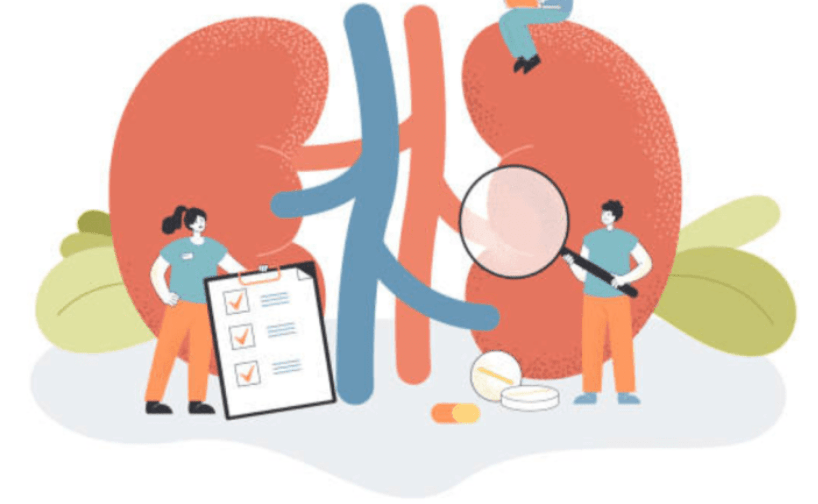
Foods that don't taste salty aren't necessarily low in sodium. A doctor warns that 3 types of food, despite their non-salty flavor, have very high sodium content. Consuming too much can easily harm kidney health. The doctor also teaches 3 methods to help the body excrete sodium and protect the kidneys.
Nephrologist Dr. Hung Yung-hsiang stated on the program "If the Cloud Knows" that besides eating too much sugar, eating too much salt is another high-risk factor for kidney damage. In daily diets, the following 3 common foods, although not tasting salty, have surprisingly high sodium content. Frequent consumption may harm kidney health.
Which Foods Hide High-Sodium Traps?
- White Sandwich Bread:
Contains 443 mg of sodium per 100 grams. Eating two thick slices already exceeds 600 mg of sodium. Pairing it with peanut butter, chocolate spread, jam, or meat can push sodium content beyond 1000 mg. - Cold Noodles:
A simple serving of cold noodles can have a sodium content as high as 1200 mg. Furthermore, many cold noodles add baking soda (sodium bicarbonate) to improve texture, which itself is high in sodium. Combined with the high sodium content of sesame sauce, it easily exceeds the daily total sodium intake limit. - Lemon Cream Sandwich Biscuits:
Research indicates that lemon cream sandwich biscuits contain nearly 700 mg of sodium per 100 grams. These biscuits are processed foods. During production, large amounts of leavening agents, flavorings, and colorings containing sodium are added. Long-term consumption places a significant burden on the kidneys.
Beware of 3 Major Symptoms That May Indicate Excessive Sodium Intake
Besides the 3 high-sodium, non-salty foods mentioned above, Hung reminds us that after consuming too many hidden high-sodium foods, the body typically shows 3 major symptoms:
- Thirst: After eating high-sodium foods, the body experiences increased osmotic pressure, leading to persistent thirst and a need to drink lots of water to lower it.
- Edema (Water Retention): High-sodium foods usually retain water. Therefore, on the morning after eating such foods, swelling may appear in the feet, eyelids, and face.
- Fatigue: If sodium intake is excessive, the body is often in a hypertonic environment, making people feel lethargic, tired, and frequently sleepy.
3 Tips for Kidney Protection and Sodium Excretion
Hung points out that to excrete excess sodium from the body, he recommends the following 3 methods:
- Drink More Water: Adequate hydration helps lower osmotic pressure and allows excess sodium to be excreted through stool and sweat.
- Exercise: Sweating from exercise accelerates metabolism and promotes sodium excretion through perspiration. Note: drink water first, then exercise.
- For elderly individuals with limited mobility, try getting up and walking more or doing very slow jogging (around 180 steps per minute) for 30 minutes.
- For office workers, choose moderate-to-high intensity aerobic exercises like jogging, swimming, jumping jacks, or cycling. Aim for at least 5 days a week, 30 minutes per session, with a heart rate reaching around 130 beats per minute.
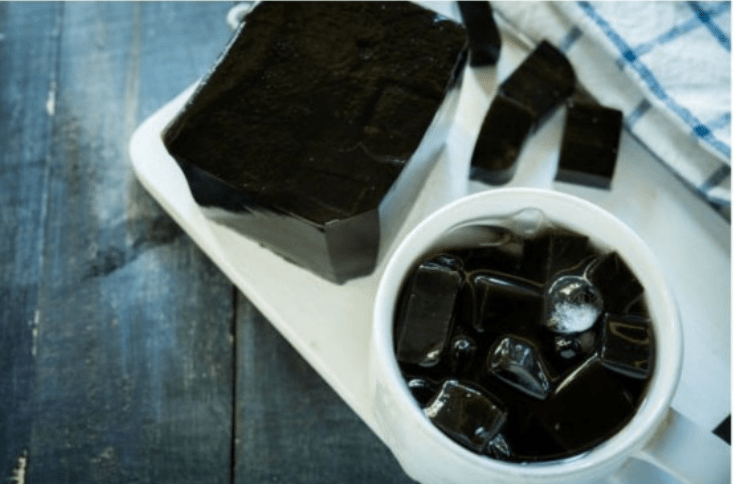
- Consume High-Potassium Foods: It's recommended to consume foods like red bean water, black bean water, dark leafy greens, bananas, tomatoes, and kiwi fruit in moderation.
- Important Note: Individuals with poor kidney function, especially those with a glomerular filtration rate (eGFR) below 45 or undergoing dialysis, should avoid high-potassium diets to prevent hyperkalemia, which can lead to muscle weakness or arrhythmia.
Symptoms of Early-Stage Kidney Disease/Kidney Failure – Watch for Urine Changes
According to Hospital Authority information, early symptoms of kidney disease and chronic kidney failure are not obvious. More common symptoms include:
- Blood in urine / tea-colored urine (hematuria)
- Foamy urine (proteinuria)
- Cloudy urine (urinary tract infection)
- Painful, frequent urination
- Difficulty urinating, incomplete voiding
- Passing small stones in urine
- Polyuria, reduced urine output, nocturia
- Lower back or abdominal pain
- Swelling in ankles or eyelids
- High blood pressure
4 High-Risk Groups for Kidney Failure, Severe Cases May Require Dialysis
According to Hong Kong Hospital Authority information, when kidney function is severely
damaged long-term due to certain reasons, its ability to excrete metabolic waste is impaired. Waste accumulates in the body, triggering multiple systemic functional issues and leading to chronic kidney failure.
When end-stage renal failure is reached, patients require dialysis or kidney transplantation to sustain life. Patients with the following diseases have a higher risk of developing chronic kidney failure:
- Diabetes
- Glomerulonephritis, including lupus nephritis
- Hypertension
- Congenital kidney disease and family history of kidney disease