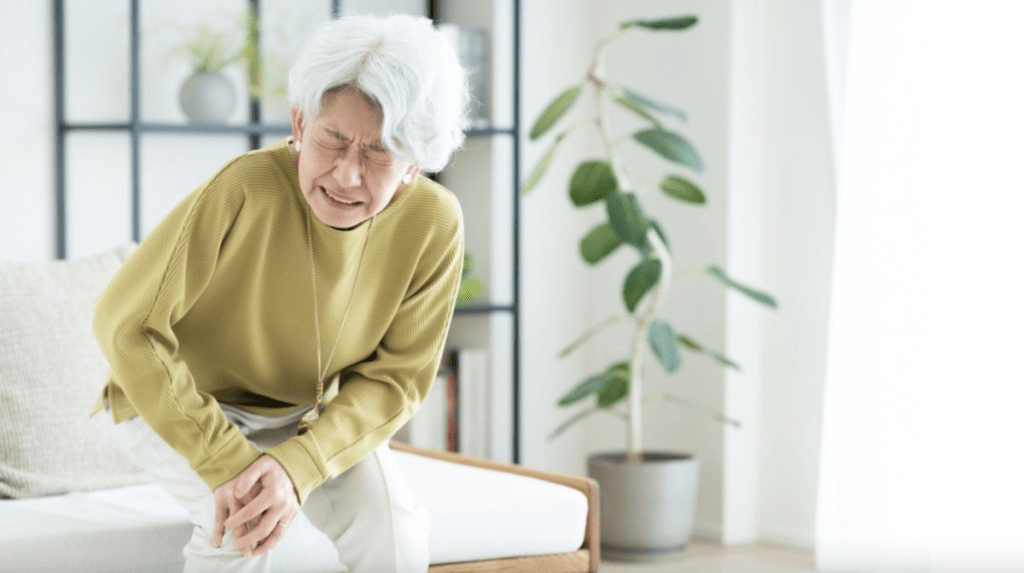
After age 50, the rate of bone loss accelerates. Inadequate calcium intake without proper supplementation significantly increases the risk of fractures. A nutritionist recommends five types of foods that help replenish calcium and strengthen bones. One type of canned fish is even considered a superfood for calcium supplementation.
According to a report by foreign media EatingWell, after age 50, especially for women, the natural rate of bone loss accelerates due to hormonal changes, loss of muscle mass, and decreased calcium absorption with age. These changes make nutritional intake one of the most effective long-term strategies for maintaining bone strength. Keeping bones strong is not only crucial for preventing fractures but also reduces the risk of plaque buildup in the heart and blood vessels. Therefore, foods rich in calcium, vitamin D, magnesium, vitamin K, and antioxidants play key roles in the bone remodeling process, protecting bone tissue and helping maintain better bone density with age. The report cites recommendations from several nutritionists, specifically highlighting the following five foods to replenish calcium and strengthen bones:
- Leafy Green Vegetables: The difference between leafy greens and other vegetables lies in their higher bioavailability of nutrients. Examples include low-oxalate leafy greens like kale, Chinese kale (Gai Lan), and bok choy. These vegetables are rich in calcium, which is more easily absorbed by the human body compared to other plant-based foods. They also contain magnesium and vitamin K, which aid in daily bone repair and maintenance of strength. Additionally, they contain potassium and antioxidant components that help reduce inflammation and promote overall bone health. Research has found that intake of foods rich in vitamin K is associated with a reduced risk of fracture-related hospitalizations in older women and can improve the activation of osteocalcin, a marker of bone strength.
- Prunes: Rich in plant polyphenols, a class of natural compounds with antioxidant and anti-inflammatory properties that help protect bone cells from damage. Furthermore, they help maintain bone health by reducing inflammation and oxidative stress, inhibiting the activity of osteoclasts (bone-resorbing cells), and supporting the function of osteoblasts (bone-forming cells). Prunes also contain prebiotic fiber, which helps maintain gut health, and gut health is linked to strong bones. Prunes are also rich in boron, a mineral that helps the body absorb and retain calcium and magnesium and maintain healthy levels of hormones like estrogen. Studies show that regular consumption of prunes can slow the rate of bone loss in postmenopausal women.
- Oily Fish: Oily fish, such as sardines and salmon, provide multiple beneficial nutrients for bone health. If consumed with the bones, they also offer vitamin D and calcium. These fish are also rich in Omega-3 fatty acids, which help reduce inflammation and support normal bone metabolism. Nutritionist Jennifer A. Wagner stated that sardines are a superfood concentrated in a small can. Besides being rich in vitamin D, crucial for calcium absorption, their Omega-3 content helps reduce the natural process of bone breakdown. Research indicates that while a diet high in saturated fat may negatively affect bone density, polyunsaturated fats, particularly Omega-3s from oily fish, may instead have a protective effect on bones.
- Low-Fat Dairy Products: Calcium is a key nutrient for maintaining bone strength, especially as bone density naturally declines with age, making calcium supplementation increasingly important. Low-fat dairy products remain one of the most efficient ways to meet daily calcium needs, while also providing high-quality protein and vitamin D, both beneficial for bone health. Greek yogurt is recommended; it's rich in calcium and protein. A serving of about 156g of Greek yogurt can provide 15% of the daily recommended calcium intake for women over 50. Research also shows that consuming fermented dairy products is associated with a reduced risk of fractures in the elderly.
- Pumpkin Seeds: Rich in magnesium, a mineral that helps activate vitamin D and maintain bone density. Every 28g of pumpkin seeds provides about 168mg of magnesium, approximately 50% of the daily recommended intake for women in that age group. Some studies indicate that insufficient magnesium intake is associated with decreased bone density, increased bone calcium loss, and higher fracture risk in the elderly. Conversely, higher magnesium intake is linked to increased bone density and helps prevent age-related bone loss.
4 Lifestyle Habits to Prevent Calcium Loss
The report cites recommendations from experts and nutritionists, advising the following four methods to further prevent calcium loss and reduce fracture risk:
- Maintain Regular Exercise: Activities like walking, climbing stairs, or jogging provide the appropriate impact force bones need to stay strong. These exercises are crucial for stimulating daily bone remodeling, which naturally slows with age. Even short periods of exercise weekly can positively impact bone density.
- Incorporate Resistance Training: Strength training and weight-bearing exercises can stimulate bone formation and help maintain bone density. Simultaneously, ensuring adequate intake of vitamins, minerals, antioxidants, and protein also supports bone repair. Research shows that resistance training during perimenopause and early menopause helps prevent bone and muscle loss.
- Follow an Anti-inflammatory Diet Pattern: Chronic inflammation can accelerate bone loss. Therefore, a nutrient-rich, anti-inflammatory diet helps reduce chronic inflammation. Such a diet should include foods rich in antioxidants, polyphenols, and healthy fats, such as fruits, vegetables, nuts, olive oil, and fatty fish. These nutrients not only support bone remodeling but are also beneficial for overall cardiometabolic health.
- Limit Alcohol Consumption: Alcohol interferes with the bone remodeling process and accelerates calcium loss, particularly with frequent heavy drinking. It is recommended to minimize alcohol intake to reduce its negative impact on bone density, especially during and after menopause when hormonal changes themselves increase fracture risk.