As the weather turns cooler, blood vessels constrict, making it easier for blockages to form, which can trigger cardiovascular and cerebrovascular diseases like heart attacks and strokes. Therefore, a nutritionist has compiled a list of 6 types of "blood vessel-clearing" foods that help rejuvenate blood vessels and prevent brain strokes and myocardial infarctions. Surprisingly, one category includes a type of fatty food.
A sudden drop in temperature sounds a health alarm for blood vessels. Mainland nutritionist Gu Chuan-ling analyzed that decreased activity in cold weather makes it easier for blood clots (thrombi) to form. These clots can then travel with the blood flow, blocking vessels and causing downstream tissues to lack oxygen and nutrients, leading to severe functional damage. However, blood clots are no longer exclusive to the elderly; the age of onset is decreasing yearly, becoming a threat that young people cannot ignore.
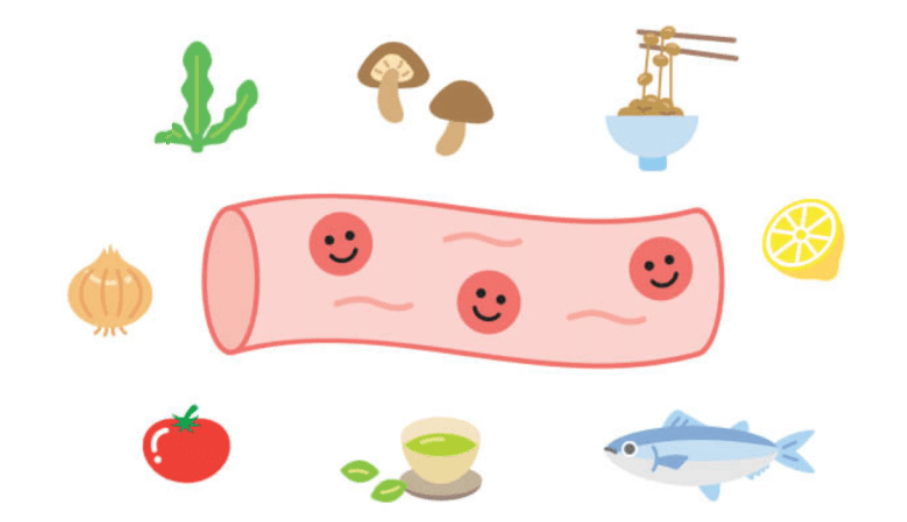
Gu explained that preventing blood clots hinges on keeping blood vessels soft, smooth, and elastic, while also reducing blood viscosity. This includes eating more of the following 6 types of "blood vessel-clearing" foods to lower risk:
1. Healthy Fats
- Recommended Foods: Perilla seed oil, flaxseed oil (rich in Omega-3 fatty acids), olive oil, camellia oil (rich in Omega-9 fatty acids).
- Benefits: Omega-3 and Omega-9 fatty acids can fight inflammation, protect vascular endothelial cells, and lower total cholesterol, triglycerides, and "bad" LDL cholesterol levels. Omega-3 fatty acids can also increase "good" HDL cholesterol, acting as "scavengers" for blood vessels.
- Suggestion: Keep daily oil consumption to 25-30 grams. Reduce the use of oils high in Omega-6 fatty acids like sunflower seed oil and soybean oil.
2. Fresh Fruits and Vegetables
- Benefits: Rich in antioxidants and anti-inflammatory components that protect vascular endothelial cells and slow the formation of atherosclerotic plaques.
- Suggestion: Aim for 5 fist-sized portions of vegetables and 2-3 fist-sized portions of fruit daily.
3. Oily Fish
- Recommended Foods: Salmon, mackerel, sardines, tuna.
- Benefits: Rich in DHA, which has antioxidant and anti-inflammatory effects, reduces platelet aggregation, and helps prevent blood clots.
- Suggestion: At least twice a week, consuming a portion about the size of your palm each time.
4. Foods Rich in Beta-Glucan
- Recommended Foods: Oats, hulless barley.
- Benefits: Reduces cholesterol absorption and helps maintain normal blood cholesterol levels.
- Suggestion: Prioritize oat groats or steel-cut oats, followed by rolled oats; instant oats are a less preferred choice.
5. Foods with Soy Lecithin
- Recommended Foods: Soy milk, tofu, dried tofu skin, tofu strips, dried tofu.
- Benefits: Helps regulate cholesterol and fat deposits in the body, clears excess triglycerides, reduces blood viscosity, and prevents cardiovascular and cerebrovascular diseases.
6. Adequate Water
- Suggestion: Women should drink at least 1.5 liters daily, men 1.7 liters. The body is particularly dehydrated after waking up, so replenishing fluids is essential.
Eat Less of These 4 Types of Food to Avoid Blood Vessel Blockage Traps
Besides wisely choosing healthy foods to build a "blood vessel-clearing" protective net, Gu Chuanling also advises eating less of the following 4 types of food to avoid traps that lead to vascular blockages:
- High-Salt Foods: Increase hypertension risk, damage vascular endothelial cell function, and raise the risk of atherosclerosis and thrombosis. Limit daily salt intake to under 5 grams (about one beer bottle cap's worth).
- Saturated Fats: Found in fatty meat, lard, butter, coconut oil, palm oil. Raises "bad" LDL cholesterol levels.
- Trans Fats: Found in pastries, 3-in-1 coffee mixes, cakes. Raises "bad" LDL cholesterol while lowering "good" HDL cholesterol.
- High-Cholesterol Foods: Individuals with abnormal blood lipids should control intake moderately, e.g., eat one whole egg every other day, choose low-fat or fat-free dairy products, avoid fatty beef in hot pot.
Exercise + Quit Smoking for a Two-Pronged Approach to Clear Vessels
In daily life, also engage in moderate exercise and do not smoke to maintain good habits:
- Moderate Exercise: Break sedentary habits. Regular activity can lower triglycerides and "bad" LDL cholesterol, raise "good" HDL cholesterol, and accelerate blood flow speed.
- Quit Smoking: Nicotine in cigarettes damages the inner lining of blood vessels and lowers "good" HDL cholesterol. Female smokers, in particular, face a higher risk.
Blood Vessel Blockages Can Cause Stroke/Heart Attack: What Are the Common Symptoms?
According to Hong Kong's Department of Health, when fat accumulates on the inner wall of blood vessels, forming a layer of deposits that hardens, narrows, blocks, and impairs vessel function, it can lead to ischemia and hypoxia in the body's major organs, causing cardiovascular diseases like heart attacks (myocardial infarction), hypertension, and strokes (cerebrovascular accidents).
Both heart disease and cerebrovascular disease are leading causes of death in Hong Kong, ranking 4th and 5th respectively in 2022. Maintaining vascular health is crucial. If the following symptoms appear, it may indicate not only damaged blood vessels but also the possible onset of conditions like stroke or heart attack.
Common Stroke Symptoms (Dept of Health):
- Body weakness, numbness and/or tingling in the face, arm, or leg.
- Hemiplegia (paralysis on one side), slurred speech or loss of speech ability, facial droop, skewed eyes.
- Blurred vision, difficulty swallowing, severe headache.
- Unsteady gait or falling, incontinence, drooling. Severe cases may experience drowsiness or even death.
Common Myocardial Infarction Symptoms (Hospital Authority):
- Chest pain or discomfort, sometimes radiating to the jaw and left arm.
- Sweating, difficulty breathing, indigestion, dizziness, cardiac arrest.
- Note: Myocardial infarction is a life-threatening condition. Therefore, if symptoms appear and acute myocardial infarction is suspected, seek treatment as early as possible.