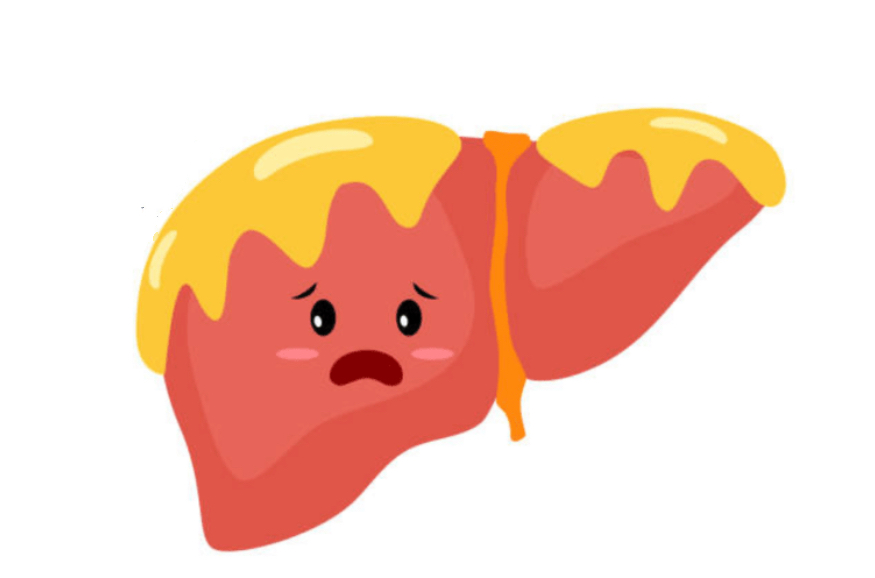
Non-alcoholic or metabolic fatty liver disease (hereafter referred to as fatty liver) is very common among adults in Hong Kong. Data shows that the prevalence rate among adults is 27 to 42 percent, particularly among men and individuals over 40. Most patients show no obvious symptoms in the early stages. However, accumulated over years, it weakens liver function, leading to symptoms like fatigue, discomfort in the upper right abdomen, loss of appetite, and indigestion.
If the condition continues to worsen, it can progress to liver fibrosis, cirrhosis, and even liver cancer. At that stage, patients may experience severe symptoms such as yellowing of the skin and whites of the eyes (jaundice), reddening of the palms, spider angiomas on the skin, abdominal swelling and fluid accumulation, itchy skin, and a tendency to bleed and bruise easily.
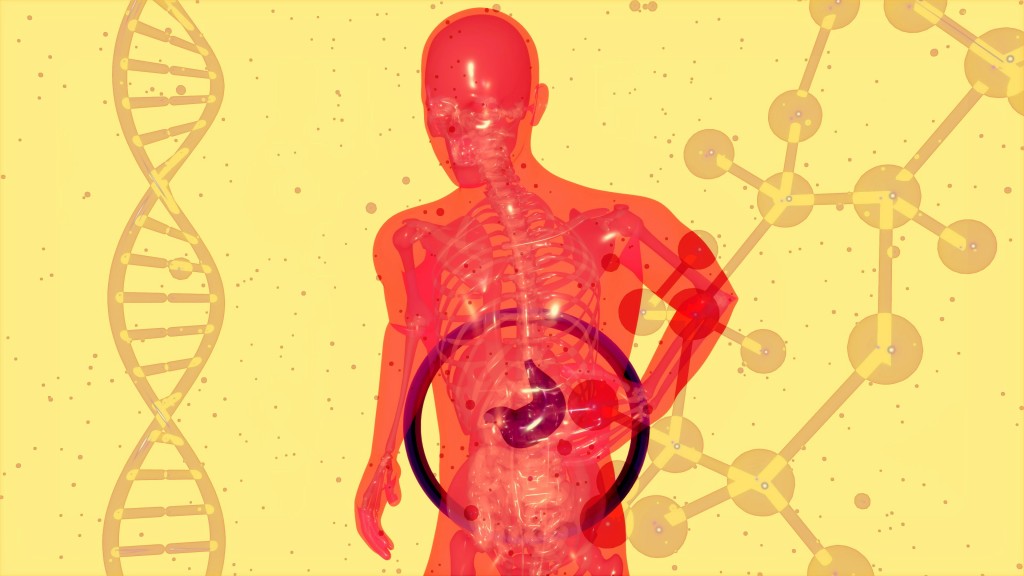
The liver is located in the upper right part of the abdominal cavity, beneath the diaphragm. It is the largest multifunctional organ, responsible for immunity, detoxification, metabolism, protein synthesis, food digestion, and nutrient storage. Individuals with central obesity, high blood pressure, high blood sugar, or those with high blood triglycerides and low HDL cholesterol are more susceptible to fatty liver. Currently, diagnosing fatty liver primarily relies on imaging tests, including ultrasound, FibroScan, computed tomography (CT), and magnetic resonance imaging (MRI).
Causes, Symptoms, and Diagnosis of Fatty Liver
Currently, there is no standard pharmaceutical treatment specifically for fatty liver in the medical field. Management primarily focuses on improving high-risk conditions, such as the "three highs" (hypertension, hyperglycemia, hyperlipidemia) and controlling body weight, to manage the fatty liver condition. However, even individuals with standard or even lower weight can develop fatty liver. Therefore, maintaining a consistently healthy lifestyle, such as a balanced diet and regular exercise, is a better approach for controlling and alleviating the condition.
Liver Tip 1: Get Adequate Sleep
Nighttime sleep is the golden period for liver repair. Especially during deep sleep, the body secretes growth hormone, promoting cell repair and regeneration, while cholesterol is synthesized, providing raw materials for cell membranes and hormones. Long-term sleep deprivation prevents the liver from completing its repair, easily leading to metabolic imbalance. According to Traditional Chinese Medicine principles, the hours of Zi and Chou (11 pm to 3 am) are the time when the Gallbladder and Liver meridians are most active. Therefore, it is recommended to cultivate the habit of sleeping early and ensure 6 to 8 hours of adequate sleep.
Liver Tip 2: Practice Moderate Fasting
Moderate fasting (such as intermittent fasting) can activate cellular autophagy, clearing damaged proteins and toxins, reducing the liver's burden, and increasing its opportunity for repair and recovery. Studies show that 12 to 16 hours of fasting can promote liver cell renewal and reduce the risk of fat accumulation.
Liver Tip 3: Adopt a Low-Starch Diet
Starches and fats have different metabolic pathways in the liver. Sugars and starches absorbed by the intestines enter the liver via the bloodstream. Excess intake is converted into fat for storage, leading to fatty liver. Ingested fats primarily enter the lymphatic circulation and are regulated by the lymphatic system before supplying body tissues. Numerous studies support that low-starch, high-fat diets or ketogenic diets can improve fatty liver. One US-Finland collaborative study used positional isotopic tracer and MRI to find that a ketogenic diet reversed fatty liver and insulin resistance. Another comprehensive medical review found that a ketogenic diet reduced certain markers used to assess liver damage. It is advisable to consult a professional before considering a ketogenic diet.
Liver Tip 4: Avoid "Toxins Entering via the Mouth"
Detoxification is a crucial liver function, but some harmful substances like chemicals, trans fats, viruses, alcohol, or certain medications can be difficult to completely digest and may accumulate, potentially leading to liver tissue fibrosis and, over time, impairing liver function and metabolism. Furthermore, consistently overeating continuously burdens the liver, preventing it from self-repairing. It is recommended to avoid chemically processed foods, excessively fried foods, artificial additives, and unnecessary medications.
Liver Tip 5: Engage in Appropriate Exercise
The liver is a blood reservoir, regulating the body's blood circulation. A healthy hepatic blood system is essential for liver health. Generally, performing a total of 30 minutes of whole-body exercise daily in segments is most effective. As the liver is located below the diaphragm, deep, slow abdominal breathing in cycles of 10-20 seconds can directly massage the liver, promoting blood flow in the liver and intestines and nutrient absorption. Combining this with large arm rotations and shoulder joint movements can further promote lymphatic circulation.
Liver Tip 6: Avoid Unnecessary Stress
Excessive stress can persistently affect blood vessel contraction and blood flow, impacting normal liver metabolism. Stress often stems from subjective thoughts; in daily life, we should try to relax. You can practice breathing and mindfulness exercises to reduce distracting thoughts and worries.
Maintaining liver health cannot rely on a single action; it requires a holistic lifestyle approach. Through adequate sleep, intermittent fasting, a balanced diet, stress management, and regular exercise, the liver can rest, have its burden reduced, and maintain good circulation. This not only helps improve fatty liver but also enhances overall personal health