Read More


Veteran lyricist and actor Peter Lai dies at 76
06-08-2026 01:17 HKT

Skipping breakfast and 6 other actions that harm heart health
16-10-2025 08:58 HKT


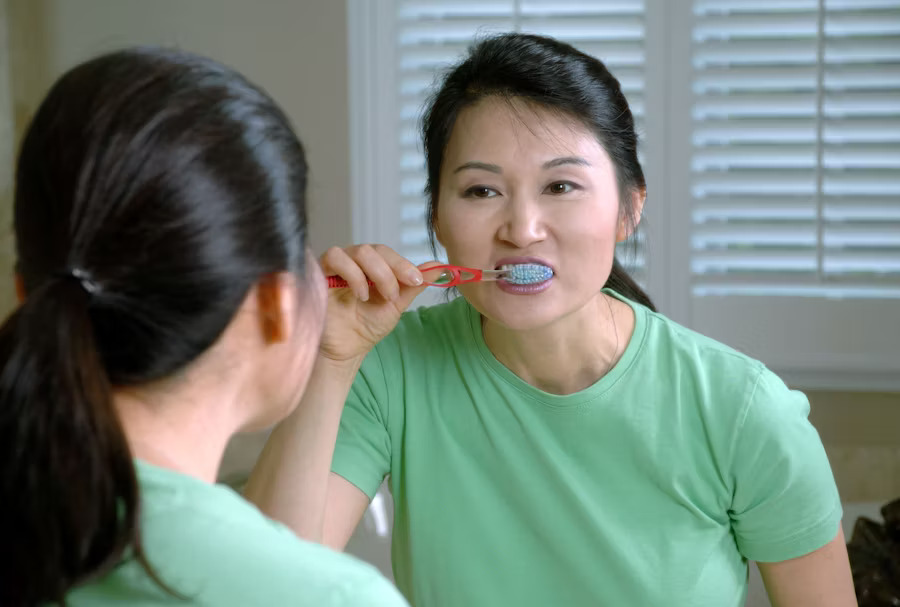
Neglecting to brush your teeth long-term doesn't just cause cavities – it may also increase the risk of various diseases. Research has found that poor oral hygiene not only can trigger various illnesses but also increases stroke risk by 22 percent. In fact, simply maintaining a specific daily brushing frequency can achieve the dual benefits of protecting cardiovascular health and stabilizing blood sugar.
Intensive care doctor Wong Hin stated in a Facebook post that most people generally believe arterial hardening is only related to high cholesterol or a high-fat diet. However, according to multiple studies confirmed, incomplete teeth cleaning can lead to blocked blood vessels and increase the risk of various diseases.
1. Increases Risk of Arterial Plaque Formation
According to research published in the Journal of the American Heart Association, a research team from Finland's Tampere University analyzed over 200 arterial plaque samples and found:
2. Increases Cardiovascular Disease Risk
Wong stated that multiple long-term tracking studies show that low brushing frequency—i.e., once a day or less—is associated with an increased incidence of cardiovascular disease. Citing a Japanese study involving over 71,000 people as an example, it found that among groups who brushed once a day or less:
Wong pointed out that maintaining good brushing habits is the best preventive prescription recommended by cardiologists. Besides reducing the chance of oral bacteria entering the bloodstream and blocking their pathway into the circulation, multiple evidence-based studies have found it has multiple effects: reducing chronic inflammation, delaying vascular hardening, stabilizing blood sugar levels, and maintaining metabolic function.
1. Protects Cardiovascular Health
2. Prevents Diabetes
Wong stated that increasing brushing frequency reduces the entry of pathogens like oral streptococci into the bloodstream, directly lowering the detection rate of bacterial DNA in arterial plaques, thereby alleviating systemic inflammatory response. This mechanism is particularly significant in younger populations. Overall, improving oral hygiene does have benefits for diabetes prevention across all age groups, but the effect is more pronounced the younger the person is.
Furthermore, oral bacteria entering the bloodstream can affect insulin sensitivity and stimulate an increase in inflammatory cytokines, ultimately leading to blood sugar metabolism dysfunction. Therefore, maintaining oral cleanliness is an important foundation for building a low-inflammation constitution.
Expert Profile: Huang Xuan
Associate Professor, Gastroenterology and Hepatology, Linkou Chang Gung Memorial Hospital, Taiwan. Specializes in inflammatory bowel diseases such as Crohn's disease and ulcerative colitis.