Read More

Skipping breakfast and 6 other actions that harm heart health
16-10-2025 08:58 HKT


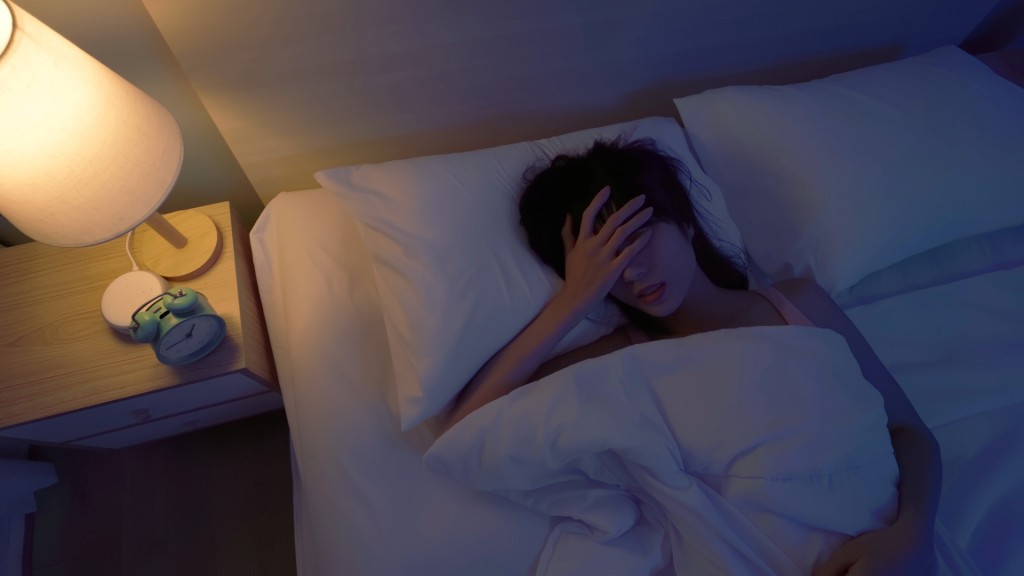
Many people have small habits before bed to help them fall asleep faster and sleep more soundly, but be careful, as some habits may actually harm your health. Foreign scientists, after nearly ten years of follow-up research, discovered that one common sleeping habit can significantly increase the risk of various heart diseases, with the likelihood of myocardial infarction, or heart attack, potentially rising by 47 percent.
Nighttime light exposure disrupts circadian rhythms and is a known potential risk factor for cardiovascular disease. Several sleep medicine experts from the UK, USA, and Australia conducted a 9.5-year follow-up study involving 88,905 participants from the UK Biobank to understand the association between different levels of nighttime light exposure and the incidence of various cardiovascular diseases. The findings were published in JAMA Network Open.
In the study, participants wore light sensors on their wrists to record light exposure 24 hours a day. Nighttime was defined as 12:30 AM to 6:00 AM. The results found that compared to those who slept in dimmer environments:
Even after excluding factors like diabetes, hypertension, high BMI, high cholesterol, sleep duration, and shift work, nighttime light exposure was still associated with an increased risk of cardiovascular diseases, except for stroke.
The researchers explained that the phenomenon of higher cardiovascular risk with stronger nighttime light exposure might be related to various functional dysregulations caused by circadian clock disruption. The impacts of a disturbed body clock include:
Long-term, these effects increase the risks of vascular endothelial dysfunction, atherosclerosis, thrombosis, ischemia, and arrhythmias.
However, as this is an observational study, it cannot prove a direct causal relationship between light exposure and cardiovascular disease. The researchers also couldn't determine the source of the light, such as whether it was blue light from electronic devices.
Nonetheless, the results indicate that nighttime light exposure has significant impacts, suggesting that maintaining lighting habits that do not disrupt the circadian clock long-term can help reduce cardiovascular disease risk.
Intensive care doctor Wong Hin previously listed four major sleep habits that increase the risk of diabetes, which included sleeping with the lights on. Diabetes is a significant trigger for cardiovascular disease. Here are the other three sleep problems that make people more prone to diabetes: