Read More






The world is in a frenzied race to break free. Rare earth elements, the indispensable “global gold” powering everything from smartphones to jet fighters and electric vehicles, have sparked a geopolitical and economic scramble. With China dominating over 80 percent of global supply and processing, nations are desperate for alternatives. The latest salvo came from former US President Donald Trump, who announced a US$12 billion (HK$93.7 billion) minerals stockpile initiative dubbed “Project Vault,” combining US$2 billion private funding and US$10 billion loan from the Export-Import Bank. But as new deposits are touted from Greenland to the Pacific seabed, a critical question looms: is achieving rare earth independence truly that easy?
The announcement of Project Vault underscores the urgency felt in Washington. The plan aims to create a strategic buffer for US manufacturers, mirroring a broader trend of using financial might to secure supply chains. This move is paralleled by aggressive territorial interest in Greenland, which holds some of the planet’s largest untapped deposits. Simultaneously, Japan claims to have found vast rare-earth resources 6,000 meters beneath the Pacific Ocean near remote island Minamitorishima, while Taiwan plans a pilot production line to cut its import reliance by half. Suddenly, the narrative is one of burgeoning potential and reduced dependence on China.
However, the path from claim to commodity is fraught with monumental hurdles that money alone cannot swiftly overcome. First, the technological and economic challenge: extracting and, more critically, processing rare earths into usable materials is chemically complex, environmentally hazardous, and capital-intensive. China’s dominance is not merely about raw ore but its mastered, cost-effective separation technology. Building competing processing infrastructure from scratch takes years and billions.
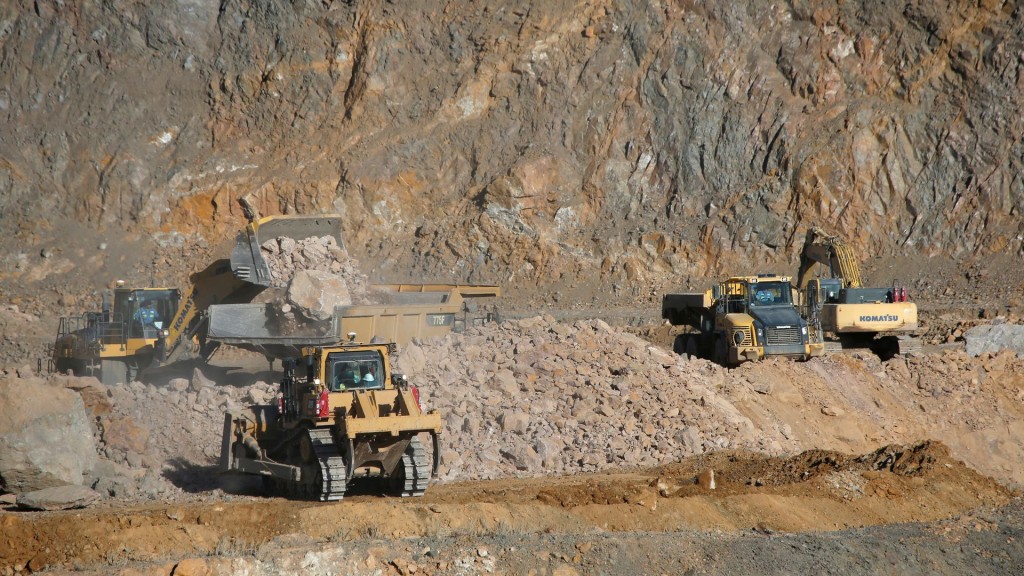
Second, the environmental and social license to operate: rare earth mining often involves toxic chemicals, radioactive by-products like thorium, and massive landscape disruption. Proposed mines in Greenland or deep-sea sites face steep regulatory barriers and potent opposition from environmentally conscious communities and governments. Social support cannot be assumed.
Third, market viability: flooding the market with new supply can crash prices, as history shows, making projects economically unfeasible just as they begin. Strategic stockpiles can distort markets, but don’t solve the fundamental supply chain weakness.
While the flurry of announcements signals a genuine, desperate global need, their materialization remains highly uncertain. Many ventures may prove to be more geopolitical posture than profitable project. Initiatives like Project Vault can provide a short-term stockpile, but do not automatically create a resilient, competitive alternative industry.
The stark truth is that replicating China’s integrated, scaled rare-earth ecosystem is a decadal endeavor, not a feat achievable through a single loan or a newly mapped deposit. The scramble is real, but for now, the world’s technological heartbeat remains tethered to a supply chain it cannot easily escape.
True independence will require not just capital and claims, but sustained commitment to innovation, environmental stewardship, and international cooperation – a far tougher extraction process.