Read More




Six senior counsel appointed
31-03-2026 13:54 HKT

Approval granted for Kai Tak’s six-stop Smart & Green Mass Transit System
31-03-2026 16:27 HKT


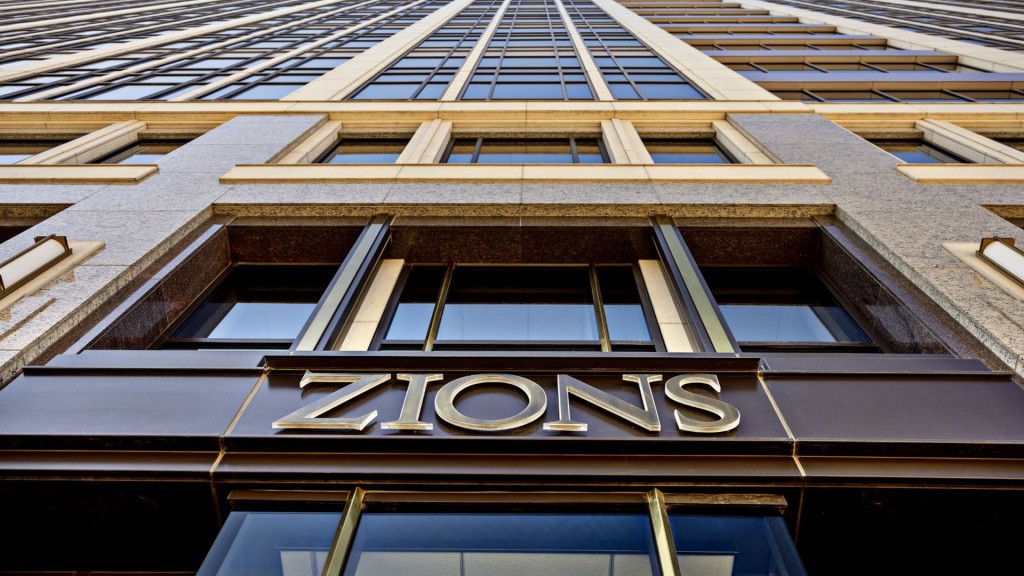
A fresh wave of unease is rippling through the US financial sector. The recent revelations of financial fraud and bad loan issues at regional lenders like Zions and Western Alliance, coupled with the outright collapse of First Republic Bank, are more than just isolated incidents. They are symptomatic of deeper, systemic vulnerabilities. This unfolding situation serves as a stark reminder of the precious stability and resilience that defines the Hong Kong financial system.
The ghosts of the 2008 global financial crisis are hard to ignore. That catastrophe was born from a culture of irresponsible lending, where mortgages were handed out to those who could not afford them – the infamous “subprime” borrower. These toxic assets were then bundled and sold, poisoning the entire global financial bloodstream.
Today’s issues, while different in detail, carry a familiar scent. The problems at Zions and Western Alliance point to a potential resurgence of lax standards and problematic risk management. When banks begin to reveal significant bad loans, it often indicates that due diligence was compromised in the pursuit of profit. The collapse of First Republic in 2023, which engaged in aggressive lending, appears particularly reckless in hindsight. This pattern of “casual lending” suggests that the hard lessons of 2008 may be fading from memory.
The recent collapse of auto parts supplier First Brands and dealership Tricolor has exposed reckless lending practices on Wall Street, sparking a sector-wide reckoning. These failures reveal more than a cyclical downturn; they point to a potential lending scam rooted in the era of cheap money. Loans appear to have been granted based on inflated asset values and overly optimistic projections, particularly in the fragile used-car market. As these bets unravel, Wall Street faces massive write-downs, forcing a brutal reassessment of risk and due diligence across the auto finance industry. The situation underscores a systemic failure in pricing risk, leaving lenders with devalued collateral and a crisis of confidence.
In stark contrast to these transatlantic tremors, the Hong Kong financial system continues to demonstrate remarkable resilience. This stability is not an accident; it is by design. The city’s robust regulatory framework, overseen by the Hong Kong Monetary Authority, is internationally recognized for its stringency and forward-looking approach.
Hong Kong’s banks are subject to rigorous stress tests and prudent capital requirement ratios that often exceed international Basel III standards. Furthermore, the city’s dense and dynamic economic environment, deeply integrated with mainland China, provides a diversified and robust base for lending. While not immune to global downturns, the system’s foundations – strong supervision, high liquidity buffers, and a prudent culture – act as a powerful bulwark against the kind of contagion seen in the US.
The troubles at Zions, Western Alliance, and the collapse of First Brands are a timely warning. They prove that without constant vigilance, even the most sophisticated financial systems can develop dangerous cracks. For Hong Kong, the lesson is clear: the commitment to prudent regulation and risk-averse banking must be unwavering. The city’s financial resilience is its most valuable asset, one that must be protected and cherished, especially as storm clouds gather elsewhere in the world.