Read More









Six senior counsel appointed
31-03-2026 13:54 HKT

Approval granted for Kai Tak’s six-stop Smart & Green Mass Transit System
31-03-2026 16:27 HKT


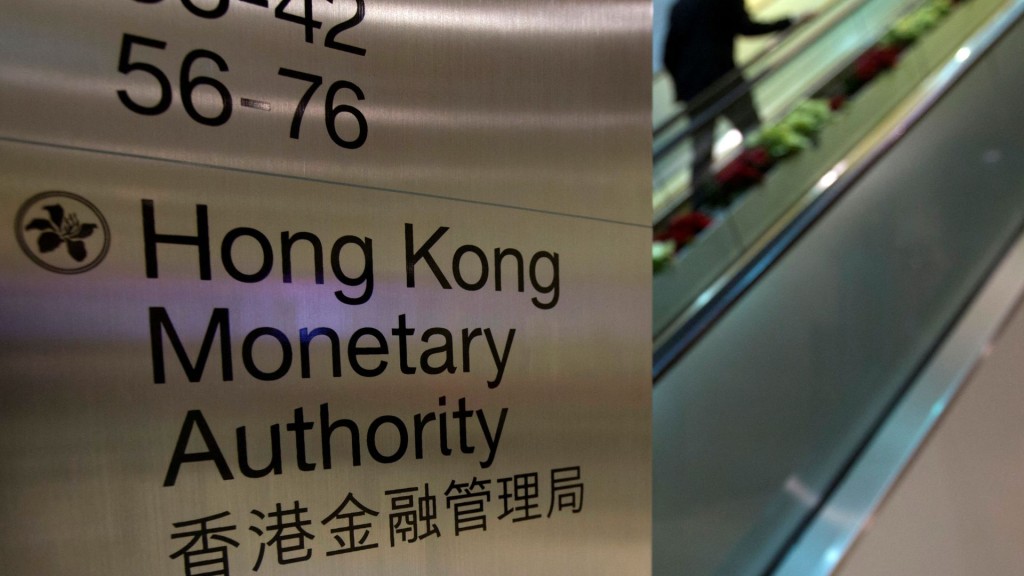
In a world of aggressive monetary policy shifts, Hong Kong’s move has been one of notable restraint. While the US Federal Reserve enacted a 0.25 percentage-point cut, Hong Kong’s major banks opted for a more modest reduction of just 0.125 percentage points. This is not a sign of weakness but a calculated strategy designed to spur the local economy without overheating it. This deliberate approach reveals the unique and complex forces at play within the Asia’s world city.
The city’s monetary policy is famously tied to the US due to the peg system. However, it does not follow the Fed in lockstep. Several key factors dictated this cautious cut.
First, significant capital continues to flow into Hong Kong. A vibrant stock market and a robust pipeline of initial public offerings have created liquidity, reducing the immediate pressure for a deeper cut to stimulate lending.
Second, the underlying Hong Kong economic situation is not as weak as other markets facing deeper cuts. The government and monetary authorities are navigating a narrow path. Cutting rates too aggressively could overstimulate and cause the economy to “run hot,” potentially re-igniting asset bubbles, particularly in the property sector.
Third, banks are acting conservatively to shore up their defenses. They need to retain “more bullets in the chamber” to meet quarter-end liquidity requirements and navigate concerns over outstanding debt, including loans made to major property developers.
This 0.125 percent cut is more than a symbolic gesture; it’s a strategic tool. It allows banks to test the appetite of customers, particularly in the sensitive property market. A small nudge is enough to gauge borrower demand without unleashing a wave of speculative investment.
Furthermore, it provides the Hong Kong Monetary Authority and lenders with room to maneuver. With the Fed expected to enact further cuts later this year, holding back now saves precious ammunition for future economic support should global conditions worsen.
Hong Kong’s policy is also shaped by its relationship with mainland China, which has so far held rates steady. Beijing is wary of cutting its own rates, as doing so could put downward pressure on the yuan, weakening it against the US dollar and potentially triggering capital outflow.
Nevertheless, Hong Kong is poised to benefit from its unique position. Expected stimulus measures from China and a globally accommodative monetary environment are likely to bring support to the local property and stock markets.
While the outlook is positive, investors must remain cautious. Hong Kong’s open capital markets mean money can flow out as easily as it flows in. The very IPO and investment flows supporting the economy today could reverse amid global uncertainties stemming from trade tensions or geopolitical events.
Hong Kong’s half-point cut was a masterclass in precision. It is a move designed not for dramatic effect, but for long-term stability, proving that in the complex world of finance, sometimes the smallest steps are the most strategic.