Read More





Defying the demographic cliff: restoring hope
06-10-2026 04:56 HKT

Three arrested over missing fire door frames in public estate lift overhaul
16-10-2026 20:10 HKT
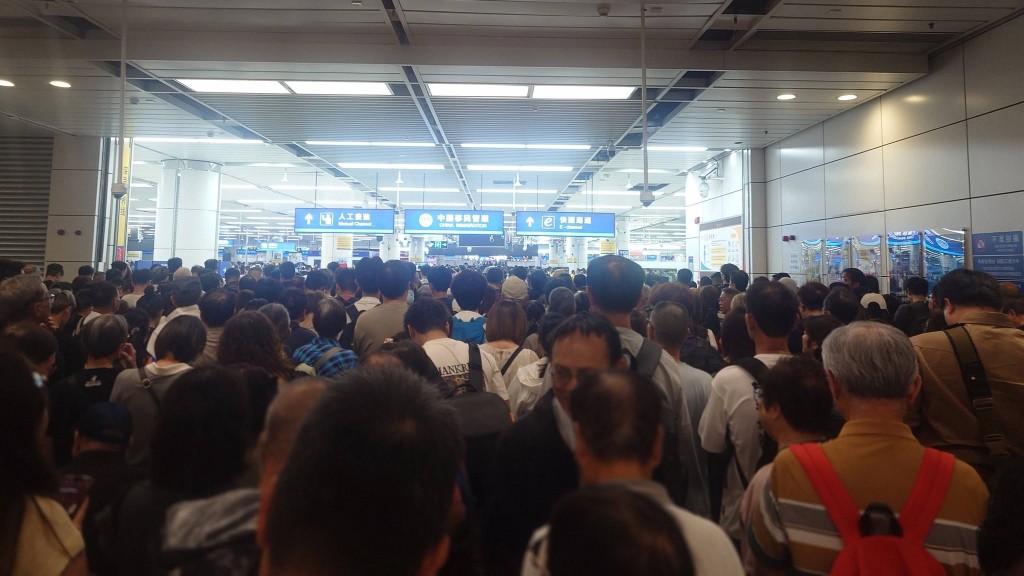


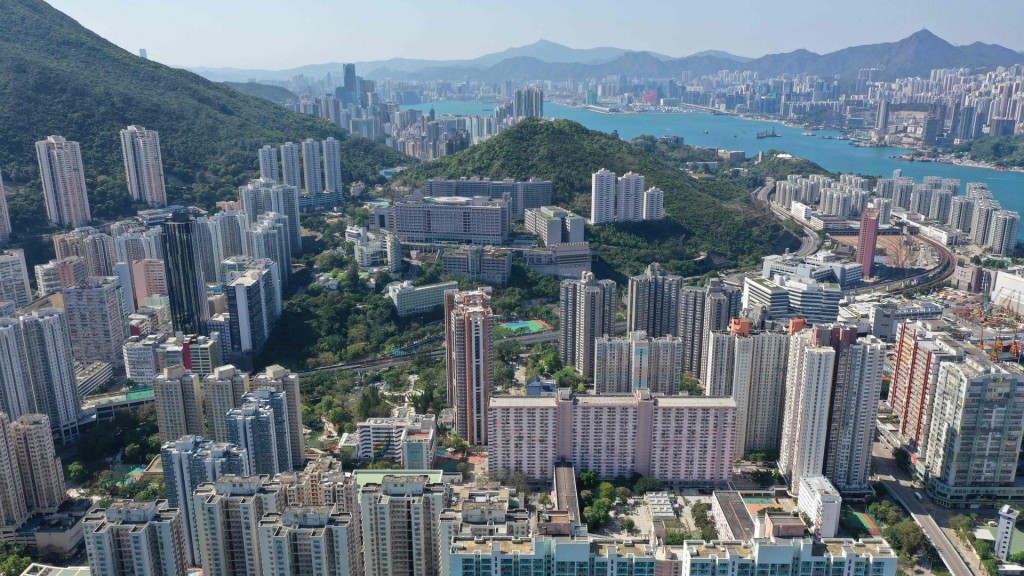
After a significant correction of about 27 percent since 2022, Hong Kong’s residential property market is showing robust signs of a sustained turnaround.
A confluence of factors – including a growing influx of global talent, foreign corporations, and overseas students – is fueling a recovery that is first visible in the climbing rental market and now sparking renewed investment in property sales.
The initial indicator of this shift is the powerful upswing in the Hong Kong rental market. According to the latest data from the Rating and Valuation Department, the private rental index rose 0.6 percent in July to 196.3, extending an impressive eight-month winning streak.
This sustained growth, up 1.3 percent year-on-year, makes leasing a property increasingly attractive for investors seeking yield, prompting many to re-enter the sales market.
A notable trend powering this recovery echoes a pattern long-established in educational hubs like London.
With Hong Kong now home to five top 100 universities, surpassing London’s four, its appeal as a world-class education destination is undeniable.
This academic prestige is attracting mainland Chinese parents who are investing in Hong Kong property for their studying children.
This strategy not only saves on escalating rental costs but also serves as a sound investment, particularly for students who may develop their careers in the city post-graduation.
The numbers confirm the optimistic sentiment. The private home price index rose 0.4 percent in July to 287.9, marking the fourth consecutive monthly gain and the sharpest increase in three months. While prices remain down 0.5 percent for the year-to-date, the consistent monthly growth points to a definitive market inflection. This confidence is also leading long-term expatriate renters to consider purchasing, encouraged by expectations of impending interest rate cuts.
Given this organic momentum, the government may find it unnecessary to introduce broad property stimulus measures in the upcoming policy address. Instead, a prudent approach would be to have targeted measures prepared for deployment should the global economic climate shift.
The true task for Hong Kong is to double down on its competitive advantages. To justify its high cost of living and compete for top talent, the city must continuously enhance its offerings. This requires a commitment to fostering a vibrant metropolitan life, rich with culture and opportunity, that not only attracts new entrants but crucially, retains them for the long term.