Read More
Yesterday’s Victory Day Parade in Beijing was more than a display of military hardware; it was a strategic masterpiece of geopolitical signaling. For observers of international relations and global security, the event marked a potential inflection point. Is the world witnessing the rise of a new, multipolar order challenging decades of US dominance?
ADVERTISEMENT
SCROLL TO CONTINUE WITH CONTENT
An axis of influence, not upheaval
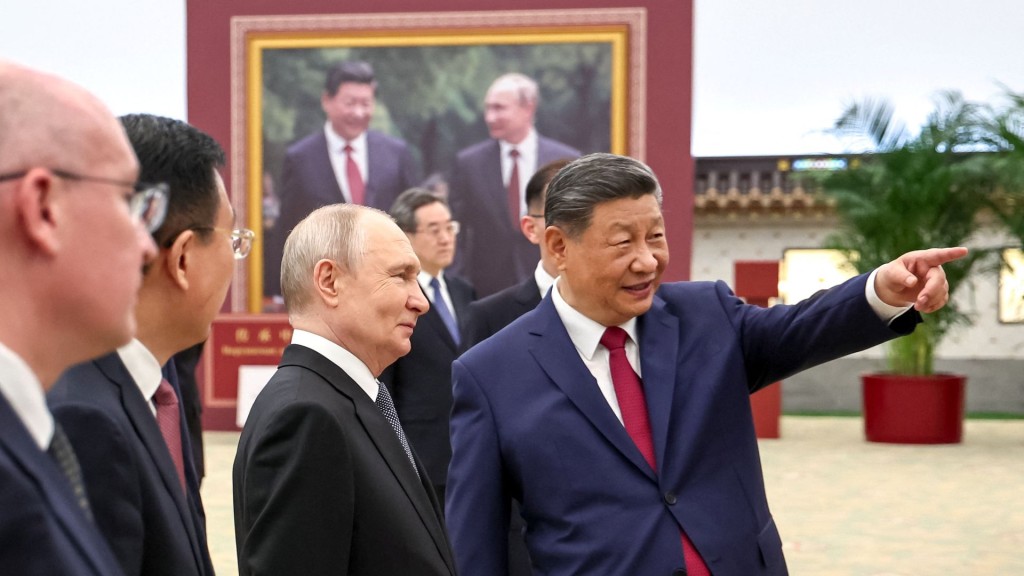
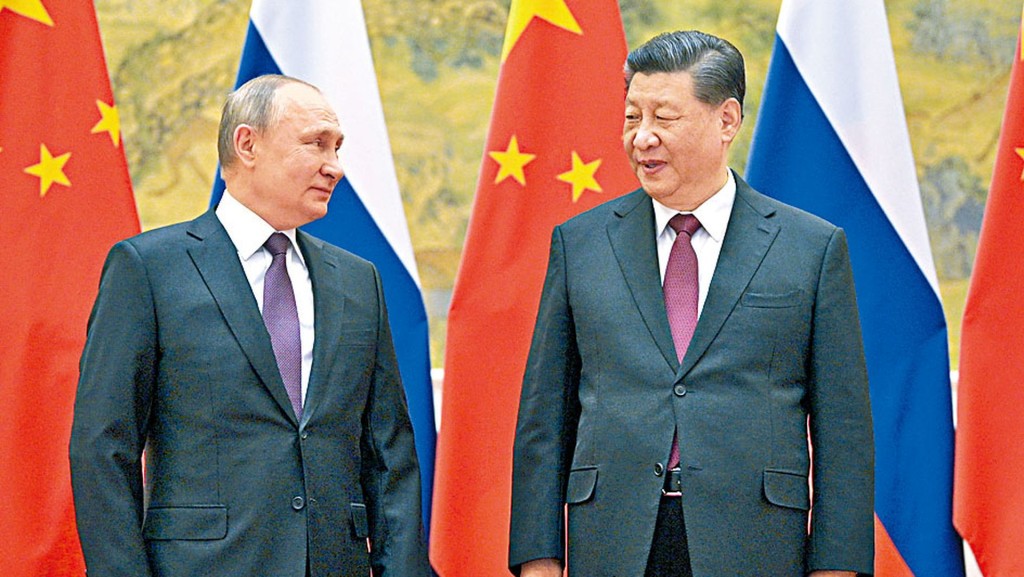
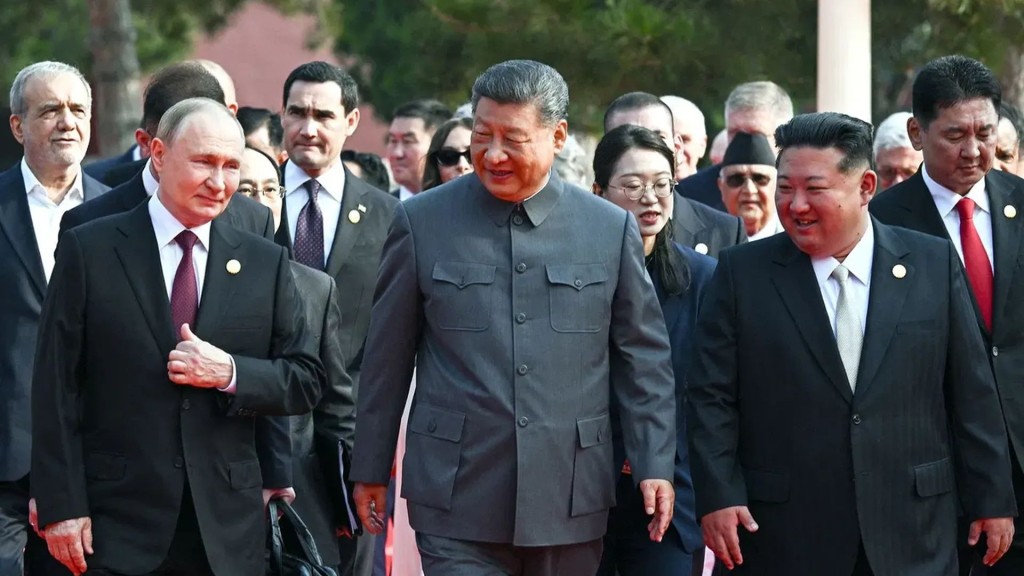
Global media feeds were dominated by one powerful image: Chinese President Xi Jinping, Russian President Vladimir Putin, and North Korean leader Kim Jong Un walking side-by-side. This trio, leading a contingent of over 20 world leaders, was instantly framed as a new “axis of upheaval.” However, this label may be overly simplistic and alarmist. A more accurate interpretation is the formation of an “axis of influence” – a coalition of major powers united by a common goal of creating a multipolar world where their sovereignty and strategic interests are paramount, unchallenged by a single hegemonic power. This visual of solidarity sends a deliberate message of alternative leadership to the US-led Western bloc.
The dual message of the parade
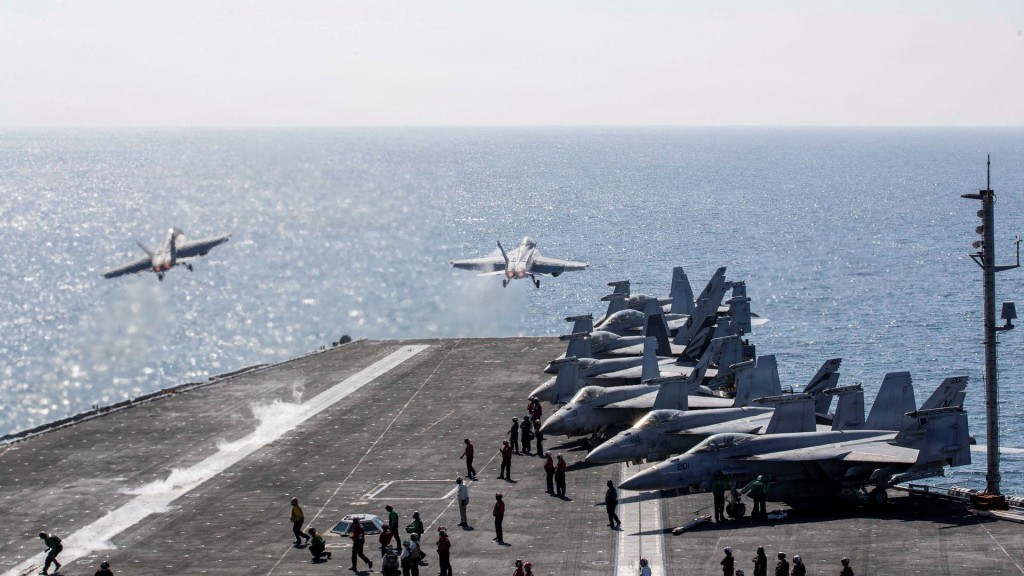
The parade was a two-pronged communication strategy. First, the display of cutting-edge domestically produced arms – from hypersonic missiles to stealth aircraft – was a clear declaration of strategic autonomy. It demonstrated that China no longer needs to rely on foreign technology for its defense, a stark contrast to its position during World War II. This show of strength is designed to deter adversaries and reassure allies.
Second, this was a global showcase for China’s defense industry. The underlying message to nations in Africa, Southeast Asia, and Latin America was clear: China can be a reliable supplier of advanced, cost-effective military technology without political preconditions. The expectation of new arms orders following the parade highlights how military diplomacy is intertwined with economic and political influence, creating deeper, long-term partnerships.
A misplaced sense of confidence?
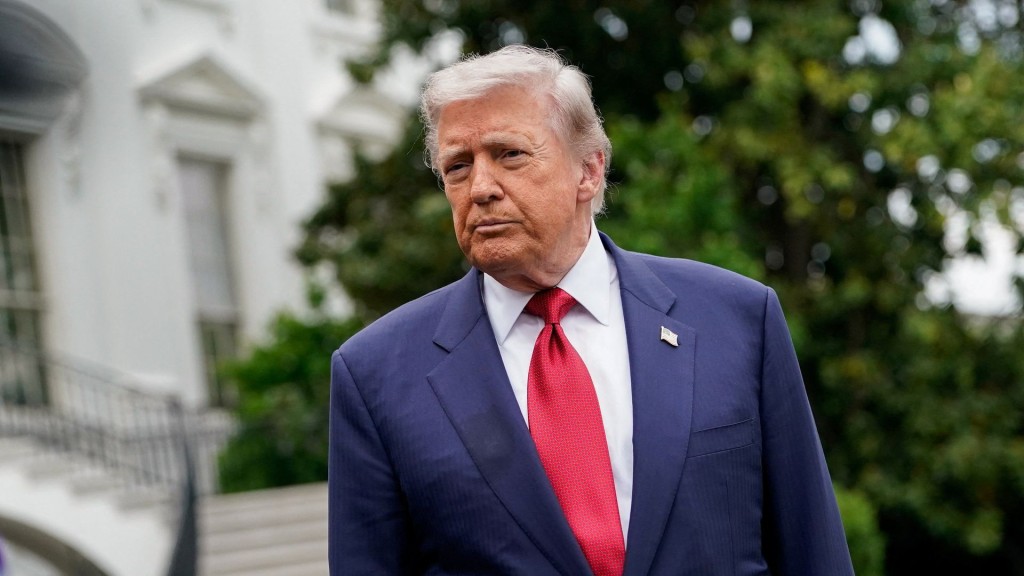
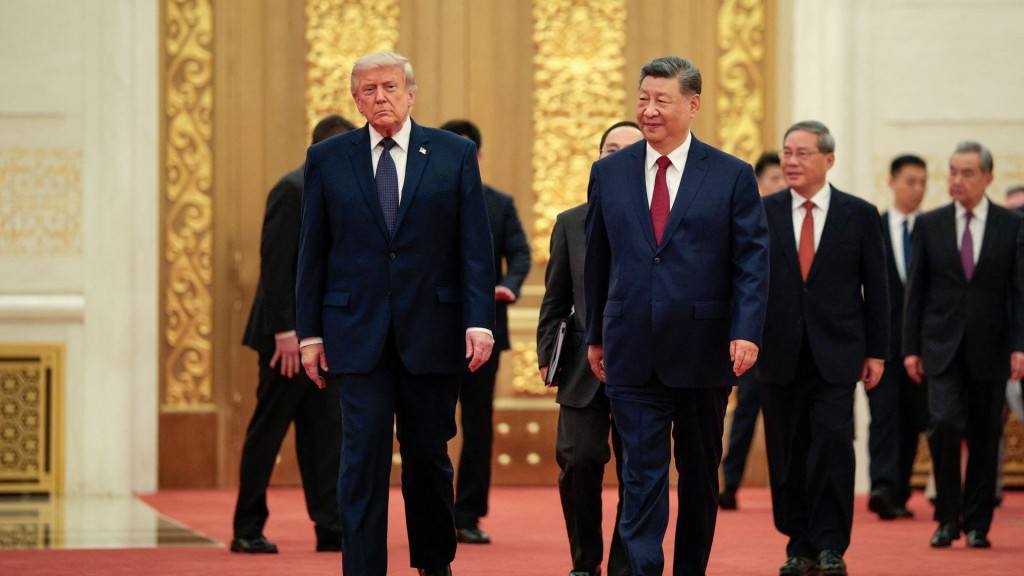
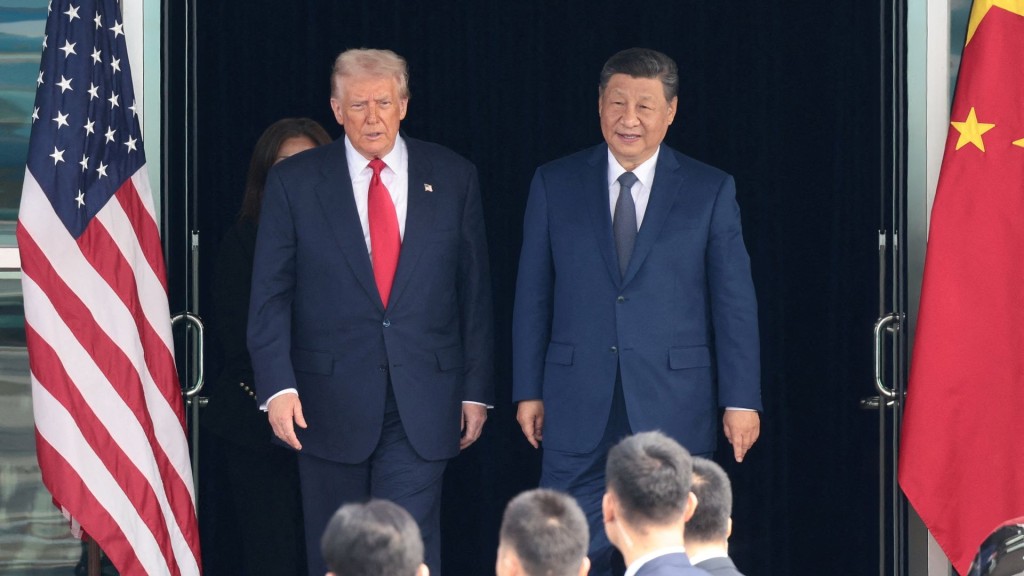
The reaction from Washington, particularly from US President Donald Trump, seemed to underestimate the moment. The statement that “China needs the US more than the other way round” reflects a transactional view that may no longer hold. While economic interdependence remains, China’s actions demonstrate a calculated move to reduce its vulnerability. By building strategic alliances and achieving military parity in key domains, China is methodically decreasing its reliance on the US-led global system.
This moment is further complicated by recent diplomacy. Trump’s meeting with Putin just weeks prior, where he called for Russia to “cease the war,” underscores the complex and often contradictory nature of current geopolitics. It creates a perception of a distracted and internally divided West, a vacuum that Beijing is eager to fill with a narrative of stable, authoritarian efficiency.
A reordered world, not a reheated Cold War
The events in Beijing do not necessarily presage a new Cold War. Instead, they signal a more complex and fragmented global landscape—a multipolar world order. Nations are increasingly presented with a choice of partners: the traditional transatlantic alliance or the emerging Eurasian power bloc led by China.
For the United States and its allies, the response must be nuanced. It requires a coherent long-term strategy that combines diplomatic engagement, economic competitiveness, and a reaffirmation of the benefits of the rules-based international order. Dismissing China’s ambitions as a mere threat is a strategic error. Recognizing them as a fundamental recalibration of global power is the first step toward navigating the new reality. The parade was not a declaration of war, but a declaration of intent. The world is rearranging itself, and the 21st century’s defining geopolitical struggle will be over what new order takes its place.