Nancy Li
Average rents in London increased by 10.1 percent in May, data from the Office for National Statistics, as rental demand remained strong.
According to its latest house price index, average monthly rents rose by 8.6 percent year on year to 1,301 (HK$13,218) in England, 8.5 percent to 736 in Wales and 9.3 percent to 957 in Scotland.
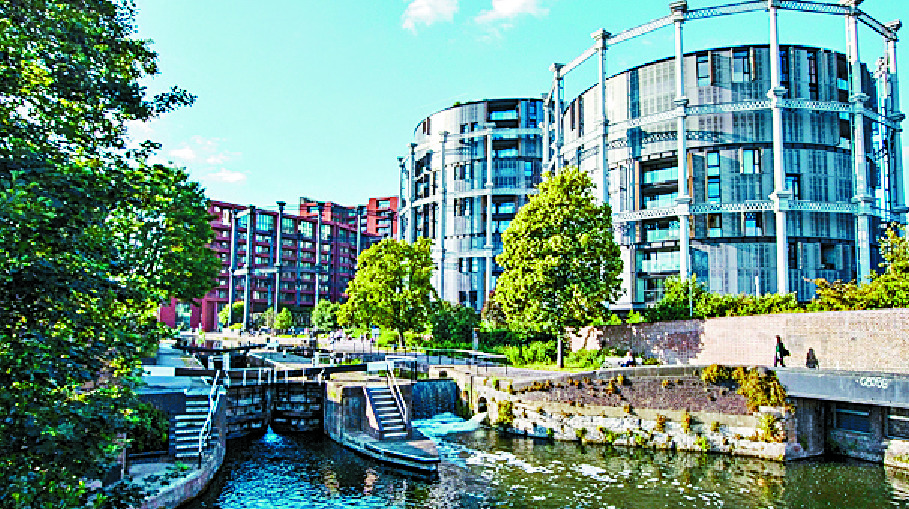
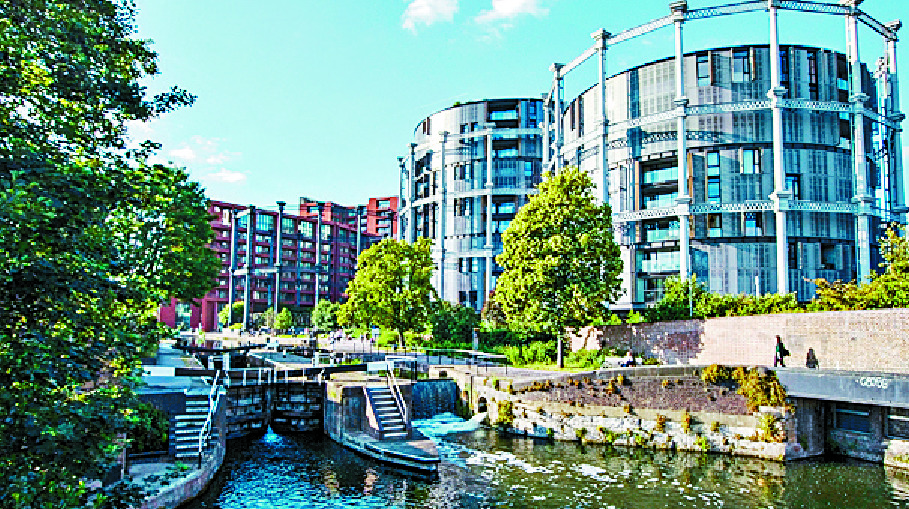
The sharpest increase was, of course, seen in London, with rents averaging 2,122, Zoopla said.
Landlords in London benefited from double-digit rental growth, outperforming every other region, according to an analysis from Benham and Reeves, a real estate agency that specializes in the capital.
Brent borough in London saw 27 percent increases from 1,527 to 1,940, which is the highest rental growth across the UK.
A further two of top 10 rental hotspots in Britain, Greenwich and Islington in London, were not far behind with respective increases of 15.8 and 14.2 percent.
"The allure of London is as strong as ever and that's being seen on the ground, as properties are being let a matter of hours after being listed." said Benham and Reeves director Marc von Grundherr.
"Demand is especially fierce in Brent, Greenwich and Islington, where rental properties are commanding considerably stronger rents than they were just a year ago, which will bring some positive news to landlords despite the challenges of dealing with higher mortgage rates and energy costs," he added.
JJL forecast rents in greater London to rise by about 19 percent by 2028, primarily driven by city center markets, as young professionals and projected growth in households in five years will keep demand for city center rentals strong,
Out of the city center, the relatively cheaper properties are also expected to outperform as the interest rates remain high.
Meanwhile, JLL expects the potential lower rates could bring buyers back to the market.
"With prices remaining broadly flat in the first half of the year we now expect a more buoyant market in the second half will translate into modest price rises across all regions," JLL said in the research.
Economists expect interest rates in the UK to go down next month, since inflation had slowed to 2.3 percent, which is close to the 2-percent mark preferred by financial authorities, according to Reuters.
That comes a year after the Bank of England had lifted the interest rate to a 16-year high of 5.25 percent in August to ease inflation, which had remained stubbornly high.