Read More




Morning Recap - October 28, 2026
3 hours ago








Office lottery dispute leads to High Court lawsuit over $33m prize
26-10-2026 17:24 HKT
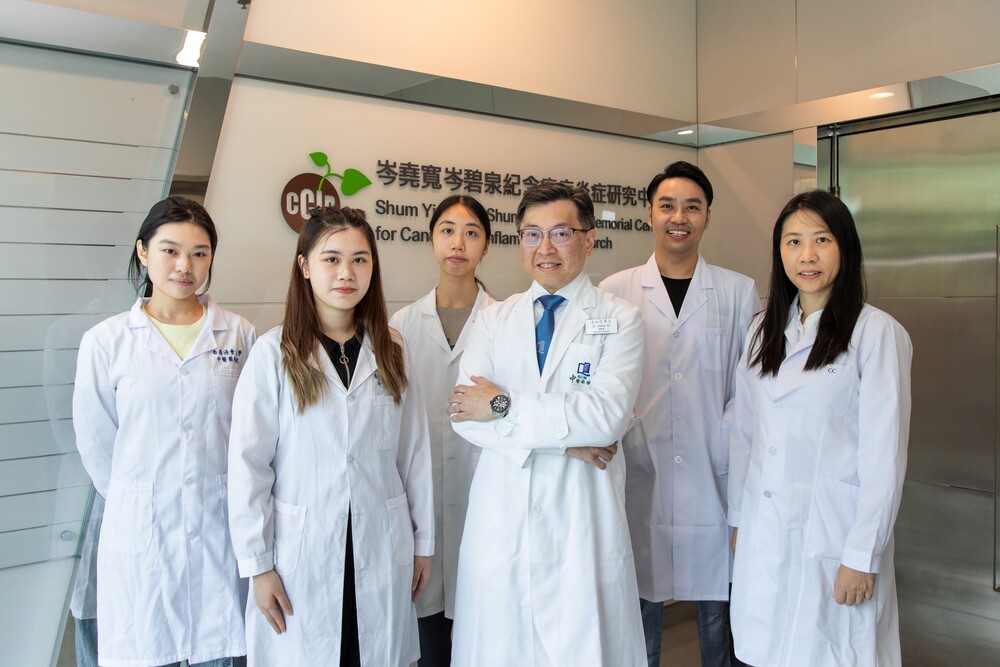
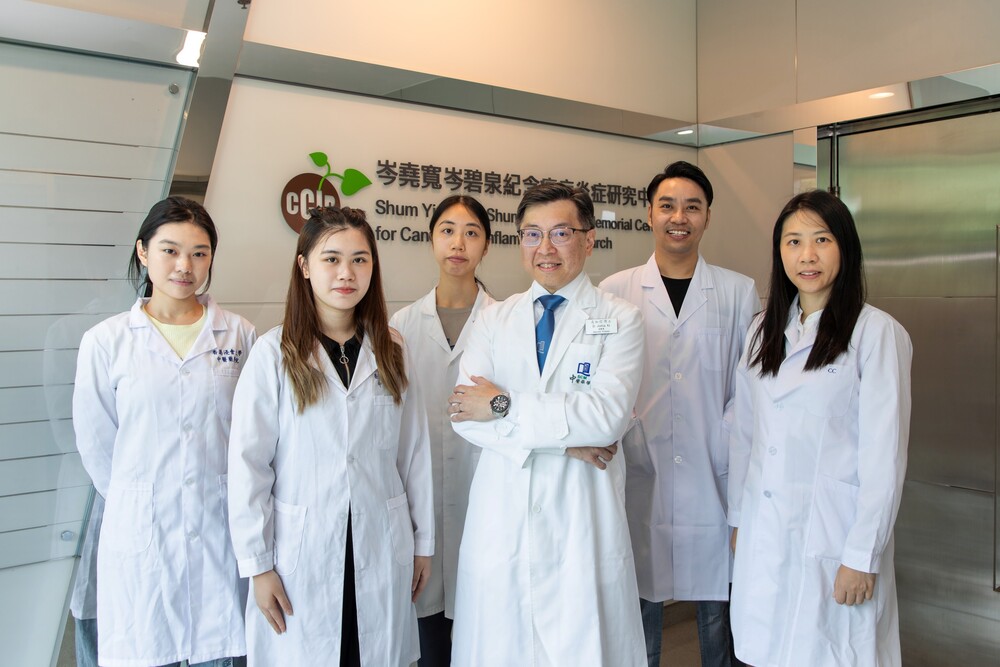
A flavonoid from the Chinese herbal medicine licorice can inhibit pancreatic cancer progression, a research team at the Hong Kong Baptist University has found.
Aiming to search for alternative treatments for pancreatic cancer, Joshua Ko Ka-shun, associate professor at the teaching and research division of the school of Chinese medicine, and his team have screened all the potential pancreatic disease markers and biological therapeutic activities of fetal chemicals from the Chinese herbal medicine licorice using network pharmacology.
The team has discovered that isoliquiritigenin (ISL) is effective in suppressing the growth and inducing programmed cell death of pancreatic cancer cells.
Ko said ISL exhibits a property that helps to inhibit cancer progression through modulating autophagy, which is one of the culprits of chemoresistance in cancer treatments.
"ISL possesses an unique property of inhibiting pancreatic cancer progression through the blockade of autophagy, which is a natural process where the body's cells clean out damaged or unnecessary components. The blockade of late-stage autophagy in our experiment results in cancer death," Ko said.
In an experiment he did with mice, Ko found that with 30 milligrams per kilogram of ISL, the size of the tumor will be reduced to 500 cubic millimeters, which is half of the size of the tumor in the control set-up. The result is similar to using GEM (400 cubic millimeters), a chemotherapeutic drug.
Ko also said that fewer side-effects, such as anemia and body-weight loss, are shown when ISL is being used to tackle pancreatic cancer compared with using other chemotherapeutic drugs.
ISL is also proven to enhance the effects of chemotherapies.
The research team has found the growth inhibition rate of pancreatic cancer cells increases by 30 percent when ISL is used together with 5-fluorouracil (5-FU), a first-line chemotherapeutic drug to combat pancreatic cancer, compared to the rate when only 5-FU is used.
The findings open a new avenue for developing ISL as a novel autophagy inhibitor.
Speaking of his future plans, Ko said his ultimate goal is to liaise with European and mainland collaborators for clinical trials in pancreatic cancer patients.
While ISD has proven effective in combating pancreatic cancer, Ko warned the public not to over-consume licorice for the sake of improving their health.