Read More







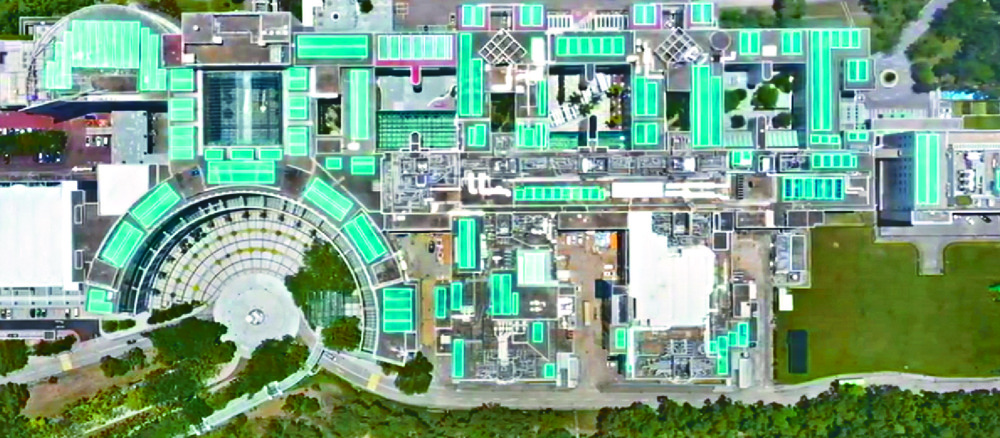
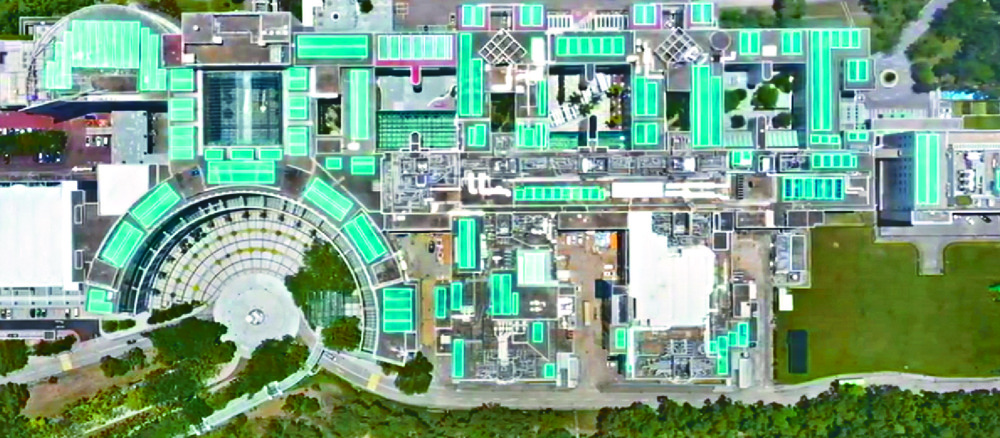
The city's largest solar energy generation project will see up to 8,000 power panels installed at 50 locations on the University of Science and Technology's campus.
Teaming up with solar power project developer Widex Technology Development, the university aims to generate three million kilowatt-hours each year - equivalent to the annual power consumption by more than 900 three-member families in Hong Kong, based on an official estimate that such a household uses 275 kWh per month.
The solar panels, scheduled to be installed early next month, can potentially render unnecessary 1.5 million kilograms of carbon emissions annually over 25 years, which amounts to the carbon absorption of 67,000 trees.
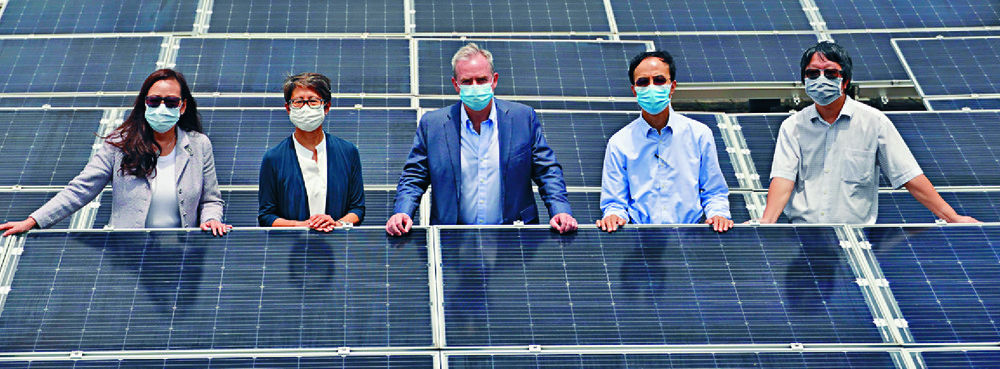
"The impact is very great, as it is difficult to find places to plant 67,000 trees in Hong Kong," said Maria Leung Chan Siu-chi, Widex's chief executive projects director.
"Previous projects mostly covered only 10 to 20 buildings, but this involves more than 50, and every building has significant structural differences," she said.
Over nine months, the university will be putting up two types of panels - conventional ones on concrete rooftops and flexible ones on metal rooftops of academic and research buildings, sports complexes and student and staff dormitories.
Davis Bookhart, head of sustainability at UST, envisages the project would bring in about HK$160 million in revenue through CLP Power's feed-in tariff scheme, which was launched in 2018 to encourage solar panel or wind system installations at one's own expense for sale to the grid at above-market rates.
The tariff scheme will expire in 2033, but the panels will last for 12 more years afterward and UST will be able to save an average of HK$4 million per year after recovering the installation costs, which is around HK$50 to HK$60 million.
Bookhart said the revenue would be reinvested in research on sustainable energy development, such as developing self-cleaning nanocoating on building facades and installing mini electricity delivery grid networks on rooftops.
"We are finding every space possible [for the panels' installation], we are not leaving any stones unturned," he added.
"[Our school] is currently emitting around 45,000 tonnes of carbon dioxide per year, the project would be able to [cut emissions by] several percentage points."
The project is developed under UST's "2020 sustainability challenge" set in 2016, to reduce energy, greenhouse gases and wastes.
UST has decreased waste by 46 percent and power use by 6.1 percent compared to the 2014 baseline, despite constructing four new buildings on campus.