Read More
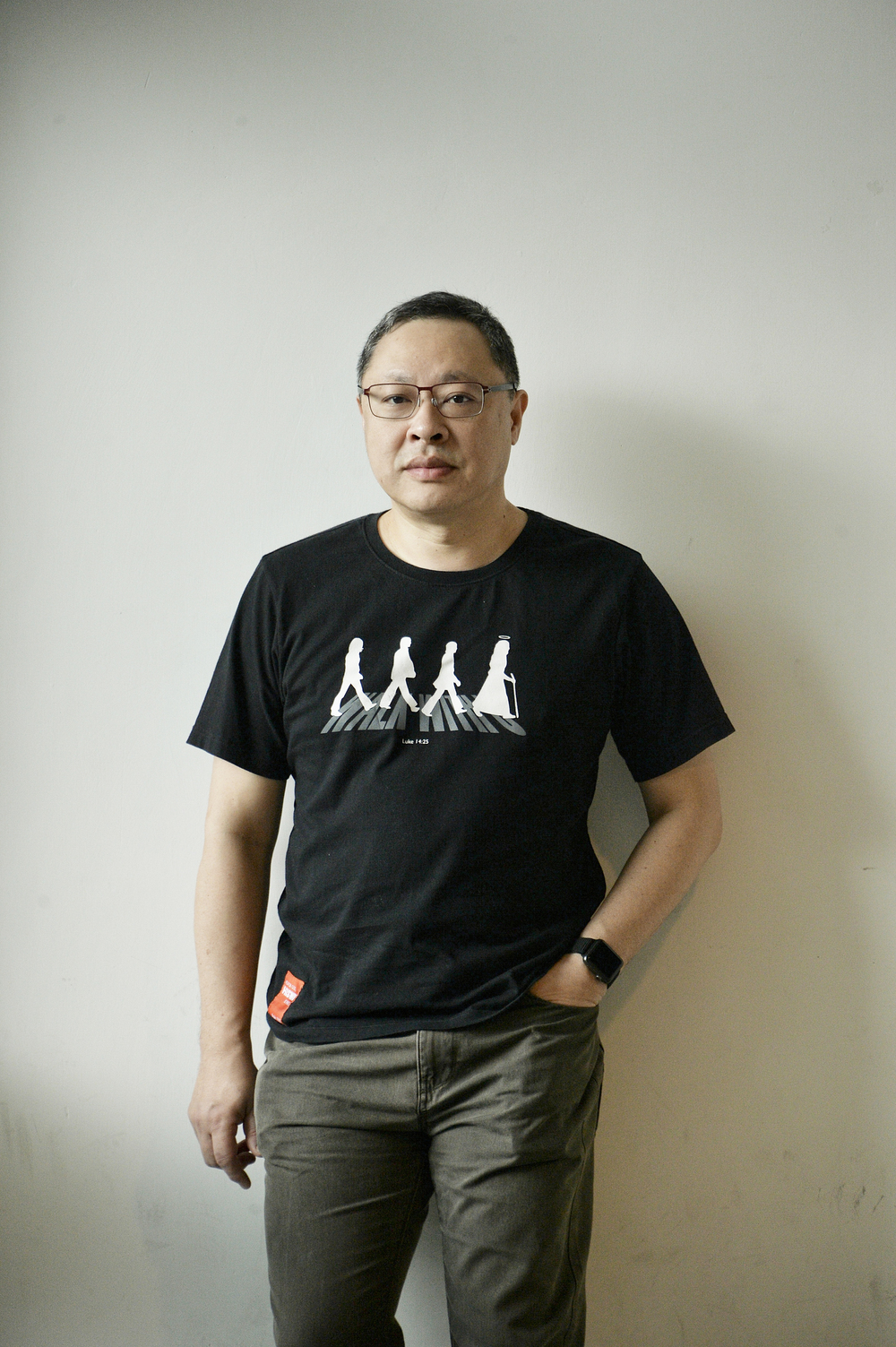
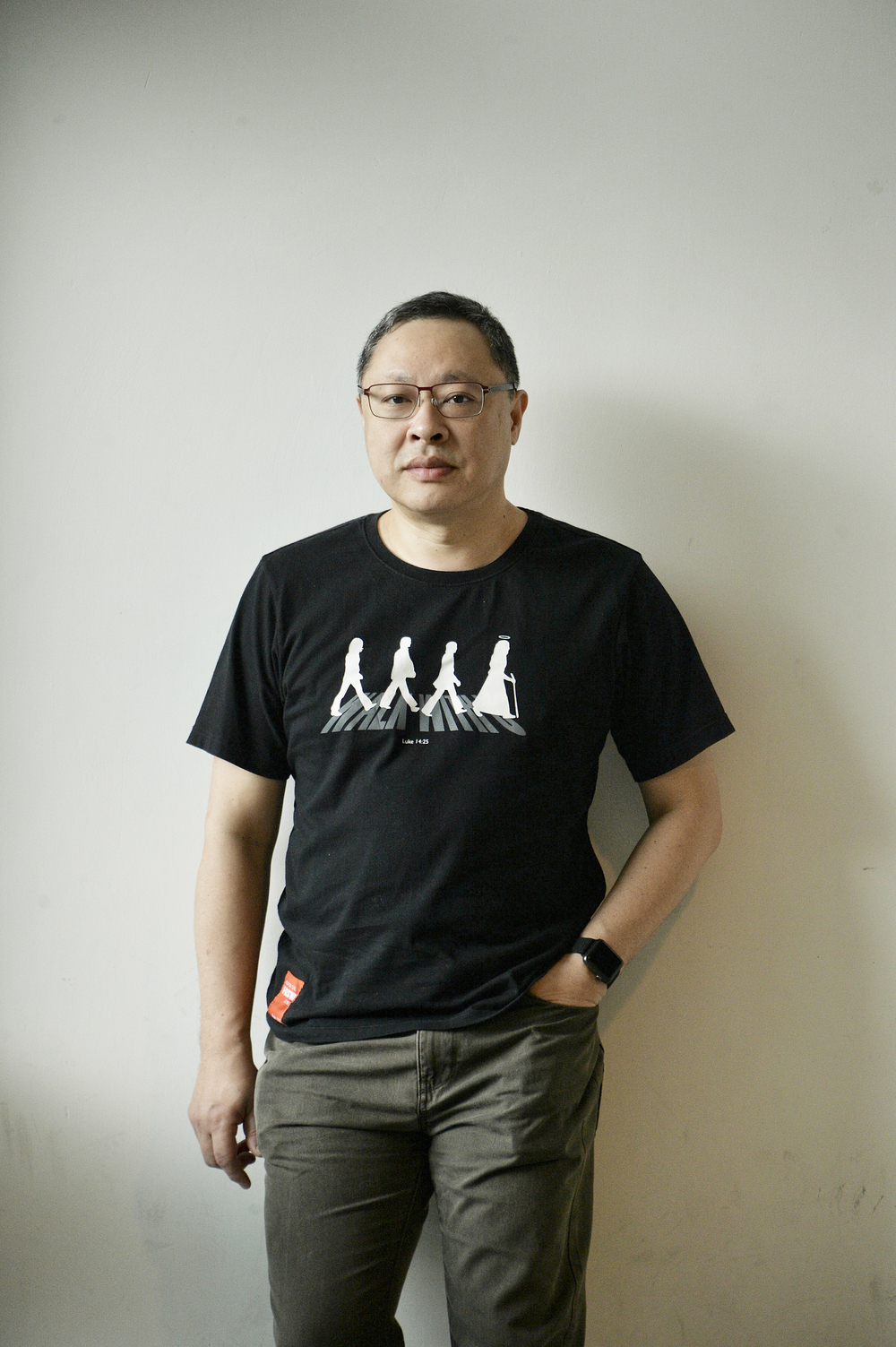
Benny Tai Yiu-ting, the co-founder of the 2014 Occupy Central movement, will appeal his sacking to chief executive Carrie Lam Cheng Yuet-ngor, the University of Hong Kong's chancellor.
ADVERTISEMENT
SCROLL TO CONTINUE WITH CONTENT
While he expects the appeal to fail, Tai said he wants to get Lam involved in his case and is considering applying for a judicial review of the decision made by the university council.
Tai was jailed for 16 months on April 9 last year on two charges of public nuisance relating to the Umbrella Movement. He was granted bail pending an appeal in August.
HKU initiated a probe in January, headed by deputy vice chancellor Richard Wong Yue-chim, to see if there was "good cause" to fire Tai.
On Tuesday, the HKU council, chaired by Arthur Li Kwok-cheung, voted by an 18-to-two margin to terminate Tai.
"Though I know this [the appeal] is a futile process, Carrie Lam cannot evade responsibility for infringing on Hong Kong's academic freedom," Tai wrote on his Facebook page yesterday.
Tai said that his termination is clear evidence that a power beyond the university has overturned the institution's discussion, as the council overruled the HKU Senate's conclusion that Tai's actions did not justify dismissal.
Tai said he is currently discussing applying for judicial review with his legal team.
On Tuesday, the central government liaison office praised the council for being highly responsible to Hong Kong society.
"The University of Hong Kong's decision to terminate Tai Yiu-ting is poetic justice and is a righteous act that complied with people's demand," a liaison office spokesman said in a statement.
The liaison office criticized Tai for his "separatist" speech and had played a "shameless" role in the 2014 occupying movement, anti-extradition movement, and the pro-democratic primary.
"His actions and words have seriously intensified social conflict, poisoned the political environment and young students have been misguided and poisoned by him, he has turned the university into a political battlefield," the liaison office wrote.
Lei Tsz-shing, a full-time undergraduate student representative at the HKU Council, said yesterday that he is disappointed that Tai's termination was decided by a council that is formed by a majority of lay members, 13 out of 22 members.
Johannes Chan Man-mun, professor and chair of public law at the HKU, also weighed in yesterday, saying "the council has made a political decision that abandons the university's value."