Read More
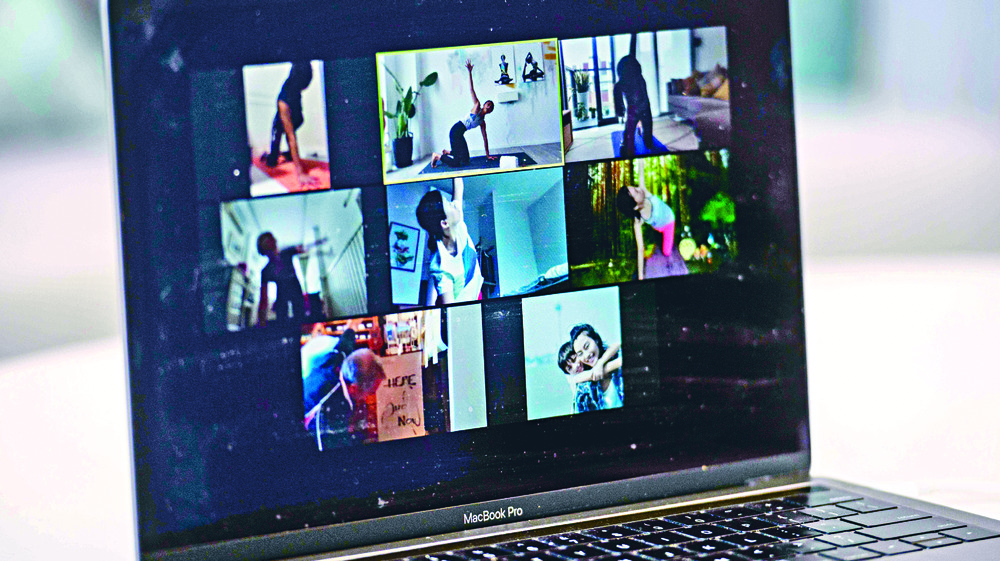
Hongkongers have adapted quite well to the "new normal" amid the Covid-19 pandemic, preferring to continue with flexible work arrangements and working from home even after the crisis is over, two surveys have found.
ADVERTISEMENT
SCROLL TO CONTINUE WITH CONTENT
Researchers from Lingnan University polled nearly 2,000 people online last month, which showed that eight in 10 would like to work from home at least one day a week in the long run.
Results indicated that working from home two days a week was the most preferred schedule.
Seventy-two percent said they have time to rest more with the flexible work arrangement. More than half said its other advantages are improved quality of life, reduced work stress and more time to exercise.
"Flexible work arrangements aim to enhance employees' satisfaction, foster work-life balance for them and instill a sense of belonging," said Frankie Lam King-sun, the university's associate dean of the school of graduate studies.
Lam suggested that companies consider adopting such practices as an option for their family-friendly policy, based on the generally positive attitudes shown in the survey.
But only three in 10 said they had worked more efficiently while at home, and even fewer achieved a higher level of concentration or better communication with colleagues.
Self-employed or management-level employees objected to working from home, with more than 30 percent of respondents from these two groups disagreeing with it, compared to less than 20 percent among frontline or middle-level staffers.
Those surveyed said the challenges they faced when working remotely included lacking office software, computers or printers, and a tendency to be distracted by house chores and disturbance from the family.
Less than half said their employers provided sufficient support for them to work from home.
"With small and medium-sized enterprises being the backbone of Hong Kong's economy, there are practical difficulties for them to implement such arrangements, which means they have to recruit more staff and increase their operational costs," Lam said.
Employers may also have concerns about staff slacking, along with using online working platforms due to security reasons, he added.
Lam said the government should encourage research on the feasibility of working from home arrangements, as well as ways to improve workers' sense of belonging and productivity.
Separately, an online poll of 500 people commissioned by insurance company Sun Life Hong Kong found that seven in 10 believed this flexible work policy should remain in place after the pandemic eases.
More than 80 percent said they had the flexibility to run personal errands, and felt more mentally relaxed, according to the poll conducted by YouGov between April and May.
Some also noted that working from home helped them improve relationships with family members.
Eight in 10 said they felt happy to spend less time face-to-face with their superiors while working from home. About 67 percent expressed similar feelings when it comes to co-workers.
Besides working from home, flexible working schedules and compressed working hours were also welcomed by most respondents.
Flexible working models may stand a chance of becoming the new norm in the city's offices, said Sun Life's analysis.
The company believed that such policies could be beneficial to the physical and mental well-being of office workers.
mandy.zheng@singtaonewscorp.com

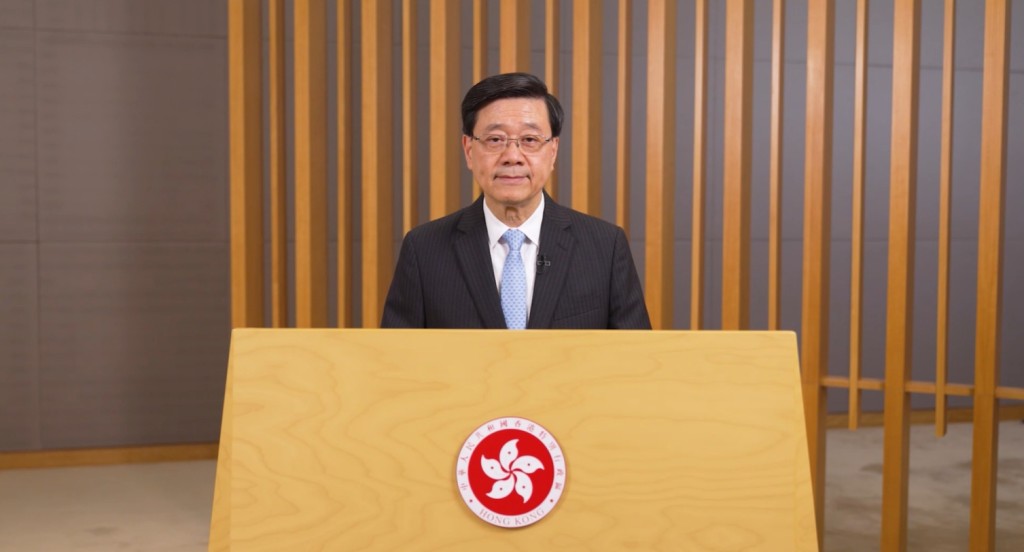
A Lingnan University survey conducted by a team led by Frankie Lam, right, found that eight in 10 people polled would like to continue working from home at least one day a week.