Read More


Night Recap - June 12, 2026
12 hours ago









Nine-day rainy spell to hit HK with heavy showers and thunderstorms expected
11-06-2026 22:45 HKT

ICC chief hails Hong Kong as dispute resolution hub
08-06-2026 07:20 HKT


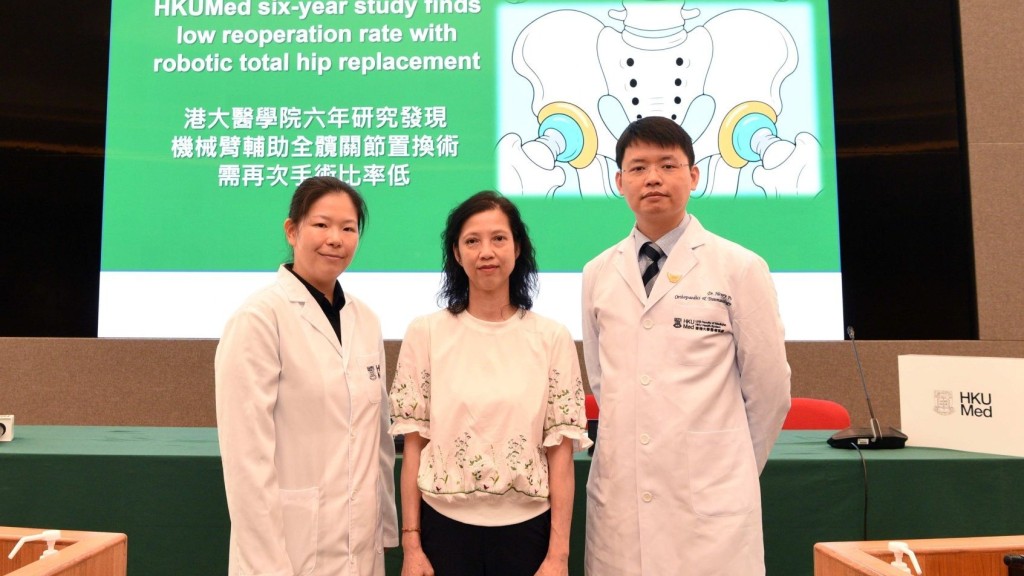
Robotic-assisted total hip replacement surgery significantly reduces the need for repeat operations compared to traditional surgery, according to a University of Hong Kong study.
Researchers from the Department of Orthopaedics and Traumatology analysed 553 primary total hip replacements performed at Queen Mary Hospital and the Duchess of Kent Children's Hospital between 2019 and 2024. Of these, 311 were robotic-assisted and 242 were conventional.
At 90 days post-surgery, the reoperation rate for robotic-assisted procedures was just 0.6 percent, using a closed method that did not require reopening the surgical site. The conventional surgery reoperation rate was 2.5 percent, with patients requiring further surgery due to fractures around the implant and wound infections.
Robotic-assisted surgery uses 3D CT scans for pre-operative planning, allowing precise positioning of acetabular and femoral components and accurate sizing of the artificial joint, reducing surgical errors.
The team noted that nearly half of public hospital total hip replacements now use robotic assistance, with potential future applications for shoulder and spine joints.