Read More





HKO forecasts showers Tuesday, tracks possible cyclone east of Philippines
21-09-2026 17:31 HKT

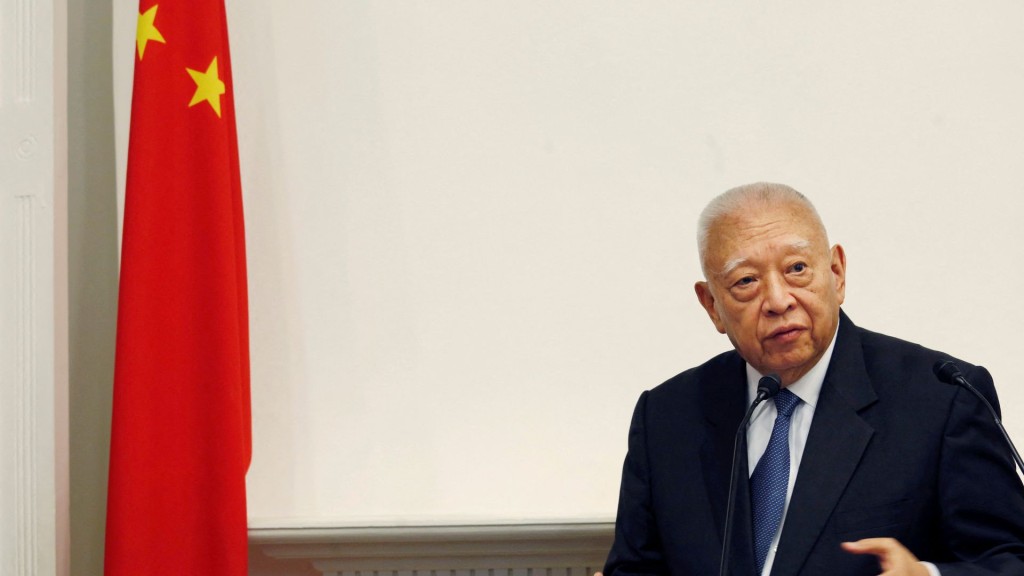
John Lee and CY Leung lead pallbearers for Tung Chee-hwa
20-09-2026 15:54 HKT
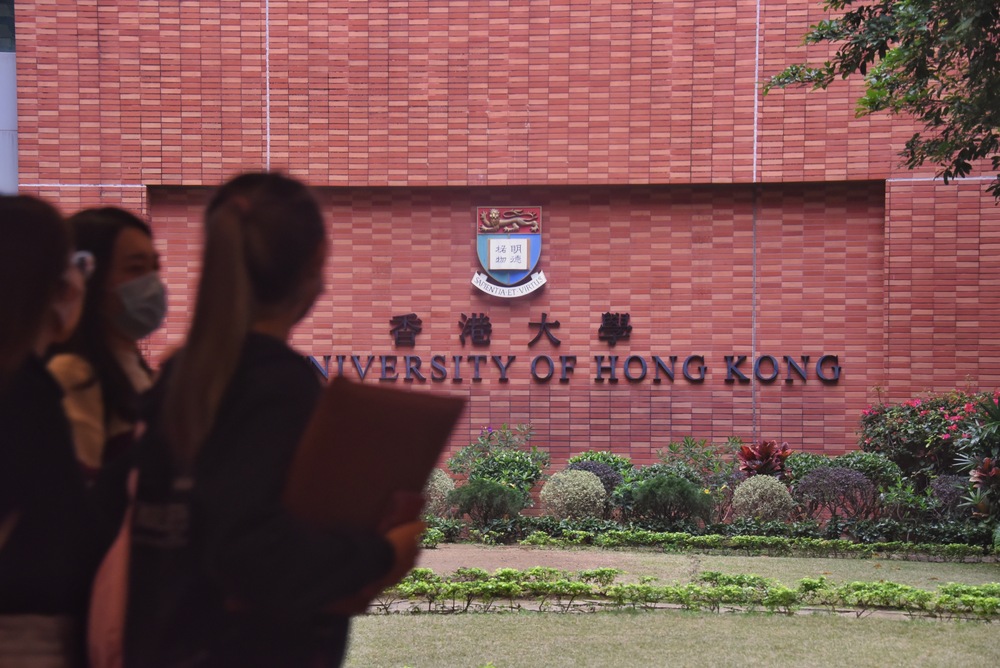
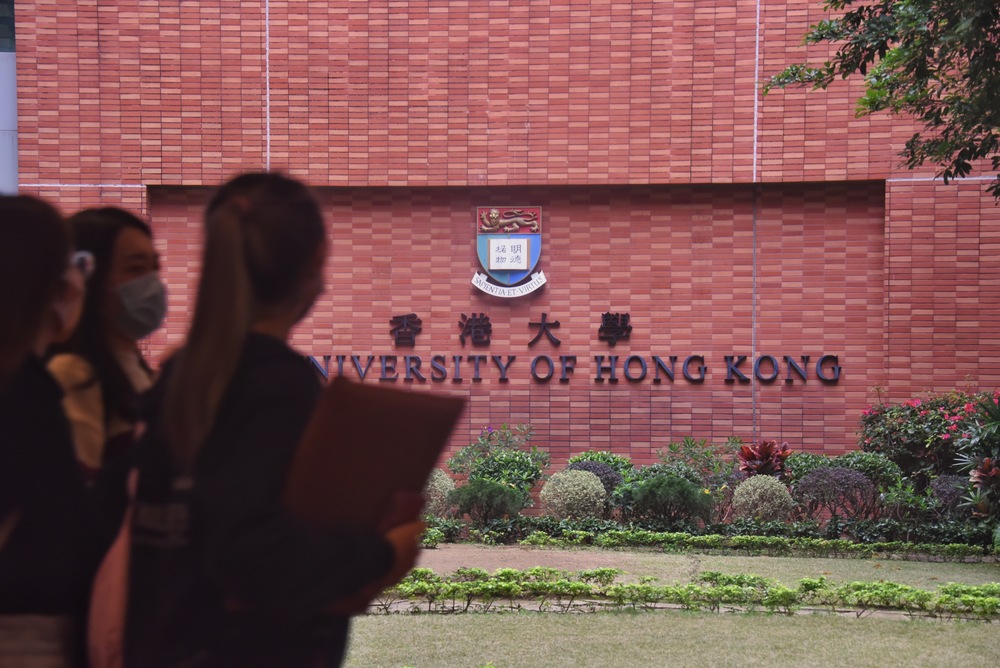
The University of Hong Kong has made the inevitable decision to lift a six-month ban on students using generative artificial intelligence tools such as ChatGPT and Dall-E for studies.
It is unimaginable that a higher education institution as prestigious as the HKU would uphold the ban following a campus-wide consultation.
HKU vice president Ian Holliday should be praised for leading the cautious approach after OpenAI's ChatGPT took the world by storm earlier this year.
Our relationship with AI has never been about "whether" but "how" so that the science fiction-like technology can be employed in ways that best suit humans' interest.
While the world was still trying to understand the GPT Chatbot, opinions were split on the invention.
Astonishment and fears were expressed in the wake of Chatbot's controversial ability to write love letters, poems and academic papers after being given some short prompts.
Clearly, a cautious approach was preferred.
If a coin has two sides, so does artificial intelligence.
Guidelines are needed if AI tools are expected to be used properly. Failing to observe basic ethical standards could flip the coin to spell problems for us all.
Of all the universities in Hong Kong, HKU was the last to fully accept the use of AI tools for studies.
Education University of Hong Kong is arguably the most liberal in this respect. Lingnan University has secured a license for version 3.5 of ChatGPT after reversing a ban earlier and the City University of Hong Kong plans to launch its own GPT Chatbot powered by Microsoft Azure Open AI.
Other seats of learning, including the Chinese University of Hong Kong and Hong Kong University of Science and Technology, have also made policies in respect of the use of AI tools.
The general direction is not to restrict the use of the technology but, rather, to provide guidance on how such tools may be used by students.
I said previously in this column that, as the academic world learns to tap the benefits that these technological breakthroughs offer, its members are also looking at ways to protect academic integrity from their improper use.
In the US, thousands of academics from prominent higher education institutions, including Yale and Harvard, have signed up to use GPTZero, a program claimed to be able to detect AI-generated text.
AI is still a relatively new thing and academic institutions around the world are learning how to live with it.
I am sure that, once the academic world has gained more experience, existing guidelines will be modified to reflect their latest understanding.
Animated debates like the famous one between Elon Musk and Jack Ma Yun on whether AI poses a threat or not will undoubtedly continue, but this will not stop the technology from being used widely as time goes by.
Like HKU, people will inevitably have to learn to live with AI.
If HKU has spent about six months to find out how AI may be allowed in campus without endangering students' originality, society may need a longer time to define its proper relationship with AI.