Read More
The head of the University of Hong Kong's Centre for Suicide Research and Prevention Paul Yip Siu-fai has raised a question: is the school-based, three-tier emergency response system put up amid a surge in students committing suicide suitable for the difficult task after a majority of the students involved were found to have no mental history?A study released by the HKU a week ago showed that - even though the overall suicide rate in the city remained largely stable at 13.6 per 100,000 people in 2023 compared to 13.7 per 100,000 in 2022 - the suicide rate among youngsters under 15 surged drastically from 0.9 per 100,000 to 2.9 during the period.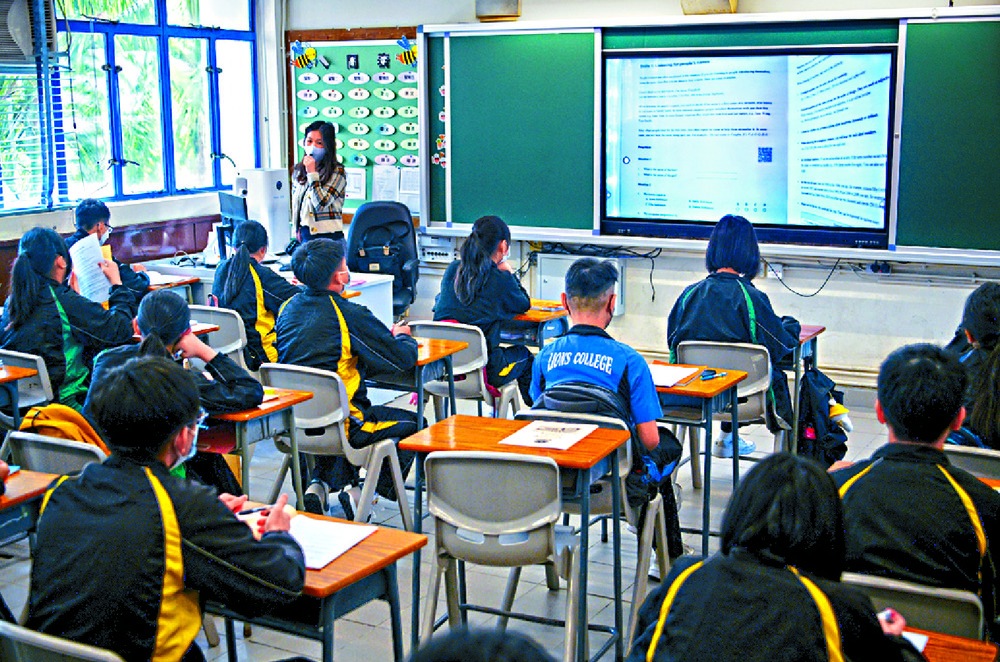
It is a wake-up call.
ADVERTISEMENT
SCROLL TO CONTINUE WITH CONTENT
The situation was more serious among teenage girls, hitting 4.2 per 100,000.
The figures are alarming. It is heart wrenching to learn that some had been feeling so helpless that they had to take their young life when it should have been just the beginning of life that, for many of their peers, is full of hope.
Why has their world become so dark?
The three-tier emergency mechanism was created last year in an attempt to answer an increase in student suicides as normal schooling returned after the pandemic.Under the mechanism, schools form the first tier of response. Teachers and school-based social workers are regularly in contact with students and, therefore, are considered to be in the best position to spot signs and identify students who may be in need.
If schools cannot handle the cases alone, they can seek support from off-campus networks that form the second tier. These are better equipped with the expertise required to help with the identified cases.In the most serious situation, school principals may refer these cases to the Hospital Authority for psychiatric specialist services.
Since the three-tier response was introduced, about 200 students in "vulnerable" situations were reported to have been identified, with a dozen having been referred to the Hospital Authority for specialist support.Armed with these figures, it would be imprudent to dismiss the system as irrelevant, especially as some young lives are believed to have been saved as a result.
But it has also become evident after so many months of practice that, although the emergency response mechanism is useful, it may be too narrow in the scope - as Yip acutely pointed out in his warning.The approach has been more about health than anything else so far, but the real issue could be less medical in nature.
First, about 80 percent of cases were reported to have no past mental records. Second, a study of 10 student suicide cases showed that only four victims had shown signs of depression before committing suicide.In one case, the student saw a specialist in the morning and ended their life in the afternoon.
The media has long exercised great caution in reporting suicides - especially those involving youngsters - because of fears that such reports may endanger others in a similar situation.Before us is not a medical issue: the three-tier mechanism is useful, but needs to be strengthened with a holistic approach.