Read More



Defying the demographic cliff: restoring hope
06-10-2026 04:56 HKT


Credit card fraud hits foldable iPhone Duo launch
17-10-2026 12:23 HKT
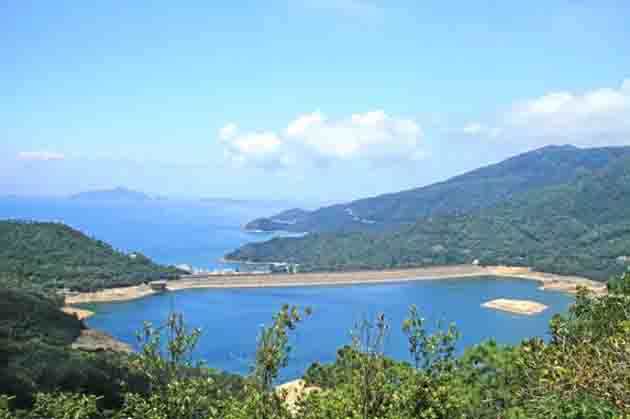
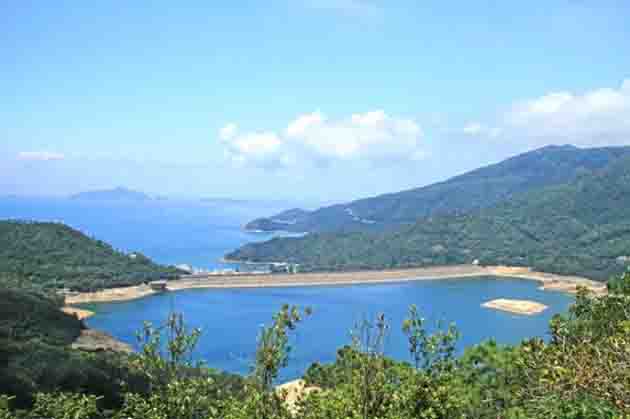
It is an attractive proposal to create an eco-recreational corridor in southern Lantau. If successful, it is believed it should be able to draw more visitors than the 6,000 a day as anticipated by government planners.
According to the proposal, the corridor covering Cheung Sha, Shui Hau, Shek Pik and Pui O is to be enhanced with food and beverage, sports and adventure facilities.
New hiking trails and footpaths will also be paved.
This time, the government is prepared to give the public more time to give their comments rather than just one month.
It makes more sense to give society a longer period to express their views on policy proposals that may have a lasting impact on the city.
The suggestion to enrich Lantau South with eco-recreational facilities could generate an impact, subject to planning and management.
Visitor centers, retail and dining places, water sports zones, hiking chair lifts, zip lines between trees, resort accommodation and leisure piers are things that can be readily found in other attractions around the world.
The corridor as envisioned by Hong Kong is probably one of the few destinations anywhere to be equipped with all such facilities.
If implemented according to plan, those seeking travel experiences beyond city-based activities would flock there.
That said, planners should get ready for the next "happy challenge": once the tourists come, there will end up being too many of them.
And having too many tourists can be dangerous for the eco-sensitive spots on which the corridor relies.
If these eco-sensitive locations are destroyed by too many people stepping on them, the whole project would lose its soul and appeal.
Investment in the hardware would also be wasted.
The consultation paper is rich with nice ideas, although many of these have been selectively taken from other destinations.
Nonetheless, the document fails to say much about how the corridor would be carefully managed in order to preserve the diverse ecological values while getting more people to spend their vacations there.
For example, Shui Hau is known for its vast sand flats that become mirror-like during low tides. It is also an important breeding site for the endangered horseshoe crab and an essential mid-way stop for migratory birds.
Having too many tourists can be a major concern for ecologically or heritage sensitive places and many destinations of great heritage value have adopted special measures to keep the number of visitors under control.
The canal city of Venice - probably the most reported case - welcomes 30 million visitors a year. To protect it from over-tourism, the city charges day-trippers an entry fee during the spring and summer peak travel seasons.
Cruise ships are also banned from the center.
Athens has also taken special measures to protect its famous Greek Acropolis by capping the number of visitors, who are required to book a time slot in advance, with the quota changing from hour to hour.
As Hong Kong officials draw up a plan to fill the corridor with the hardware, it is essential to plan in advance the software of management to make the project truly sustainable.