Read More




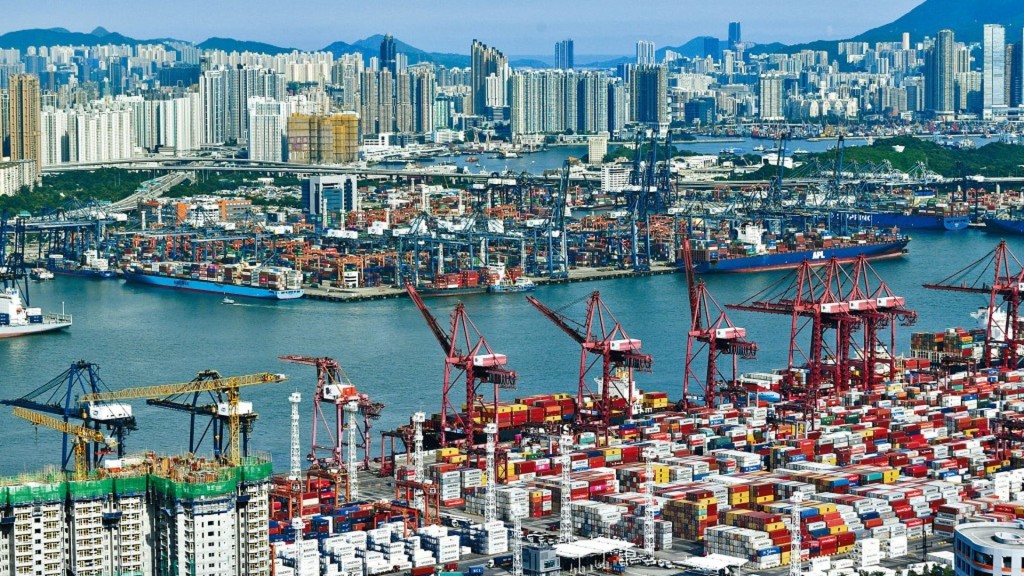

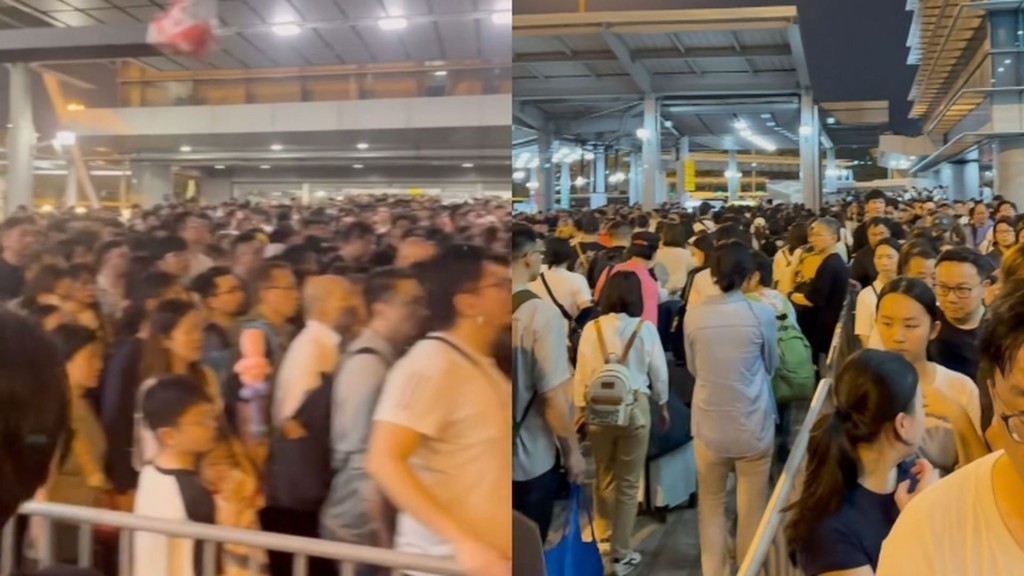
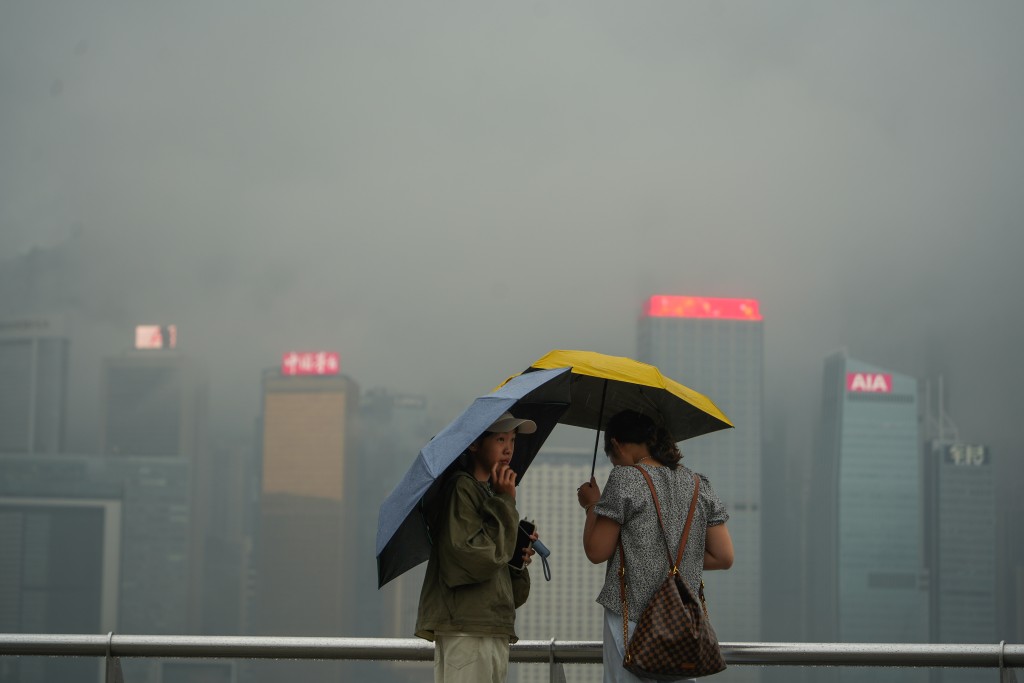

What an inauspicious start to the year! The stock market has lost about one tenth of its value since the market reopened after New Year's Day.
With the exception of one trading day, the rest headed south.
Yesterday, investors gasped in dismay - if not horror - as the Hang Seng Index took a steep dive to approach another threshold.
Will it sink below 15,000 after easily crashing through 16,000?
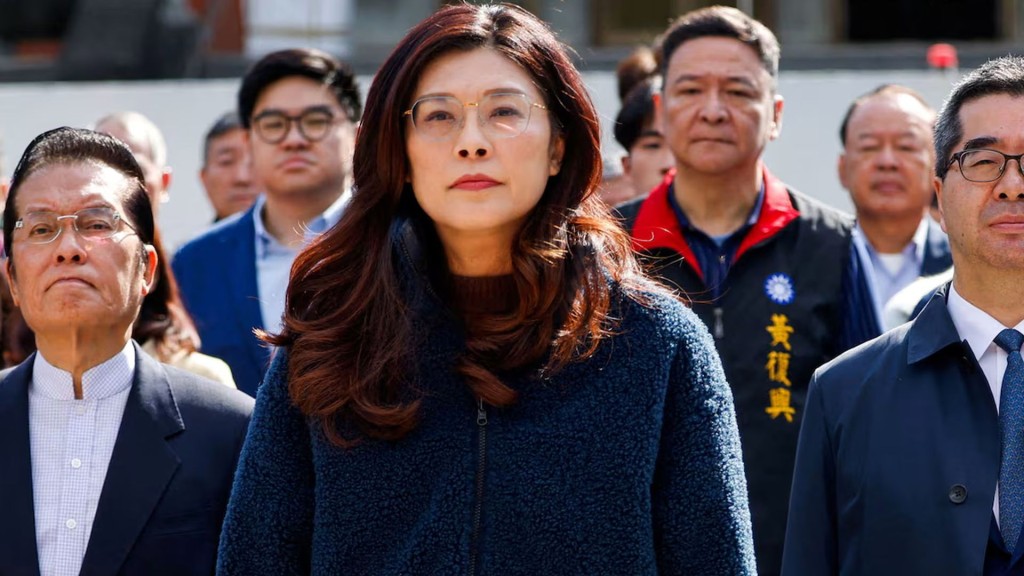
Everyone wants to know what is going to happen next - not just Regina Ip Lau Suk-yee of the New People's Party or those self-proclaimed financial analysts at the Hong Kong Institute of Financial Analysts and Professional Commentators.
But I fear that nobody is able to answer this question with confidence.
Ip and members of the institute seem to believe that the problem would be solved if the government used the Exchange Fund as it did with its defense of the dollar peg in 1998.
Whether by coincidence or not, both suggested tapping into the Exchange Fund to prop up the stock market.
While the idea seems incredible, is it that simple?
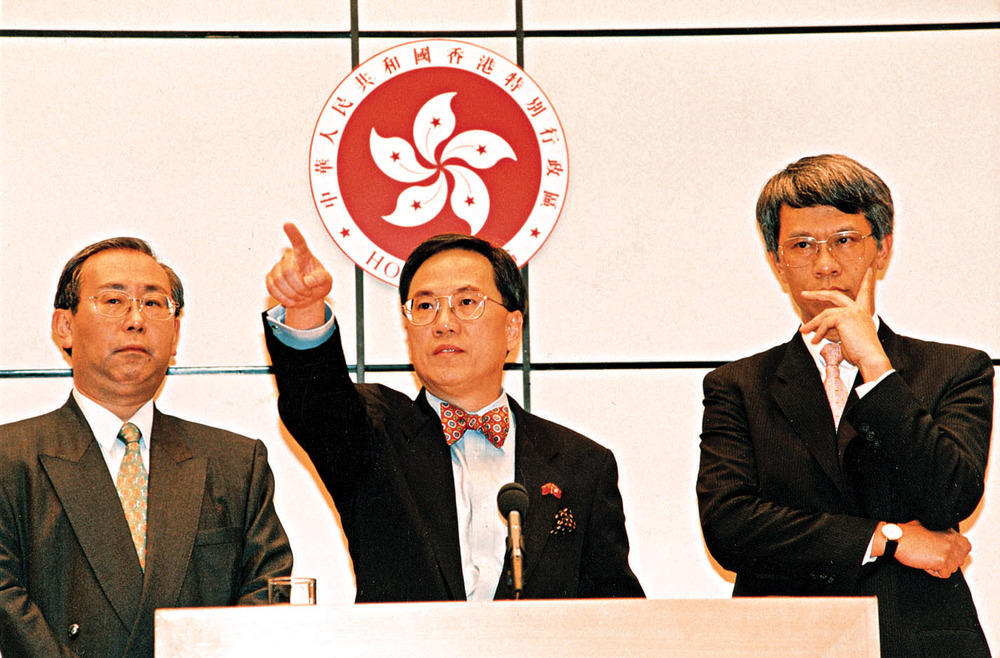
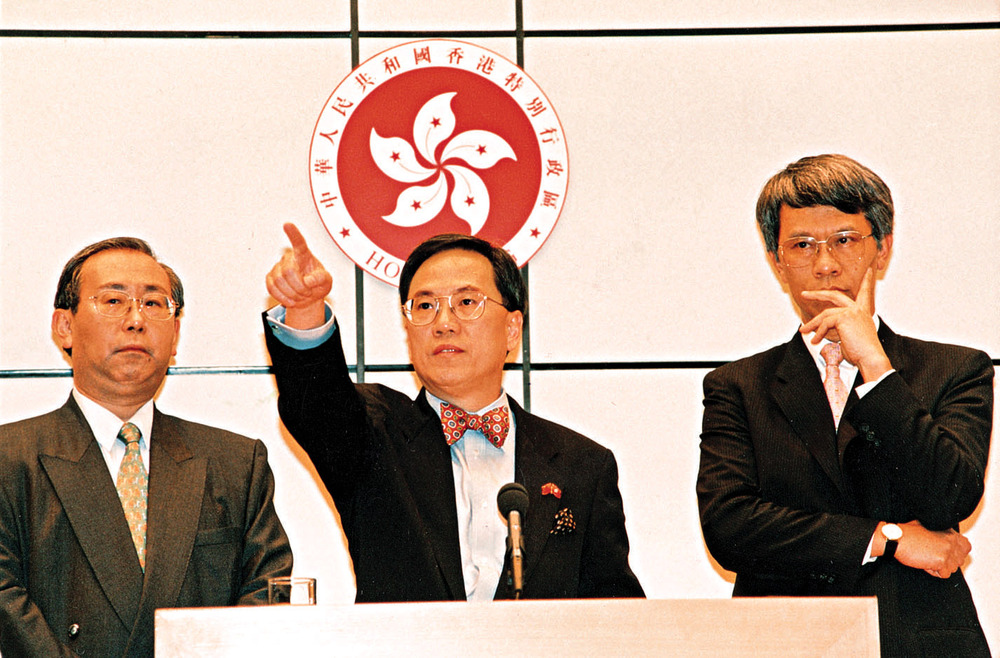
It is often conceived that government power must be mighty. So if then-financial secretary Donald Tsang was victorious in the dollar-peg war, surely current incumbent Paul Chan Mo-po could also be successful in defending the Hang Seng Index.
Surely, as long as the government is willing, all problems will be gone - but that can be too simplistic a view.
If the issue were that simple, the stocks traded in Shanghai and Shenzhen would have already hit a new high, rather than the opposite, given that the central authorities have intervened in the market with state funds a number of times over the years.
On Tuesday, the turnover of China's top exchange-traded funds was reported to have hit a high, fueling speculation that state funds were in action again.
However, both the Shanghai and Shenzhen composite indexes were down by over 2 percent yesterday.
Another question is that, although Hong Kong still appears to be rich, it may not be as wealthy as thought.
That's in accordance with a Bloomberg commentator who, while referring to the city's HK$670 billion fiscal reserves, accurately observed that the government has commitments bigger than its reserves.
Hong Kong does not look so rich all of a sudden, she said.
It is true that the commentator failed to consider that the Exchange Fund is worth more than HK$3 trillion.
With the exception of the Hong Kong stocks that the government bought in the special currency war in 1998, the remainder held by the Exchange Fund were assets outside Hong Kong.
Ip, as Executive Council convenor, must know better than most that the proposal to use the Exchange Fund to shore up Hong Kong stocks would put the Hong Kong Monetary Authority between a rock and a hard place.
It has been a major policy of the authority to keep Hong Kong assets to an absolute minimal in order to avoid upsetting the local market when it is necessary to convert the assets into capital to protect the dollar peg.
To make matters worse, intervention without a clear goal like defeating the hedge funds in 1998 could precipitate sell offs as injured investors would see it as a fire escape.