Read More






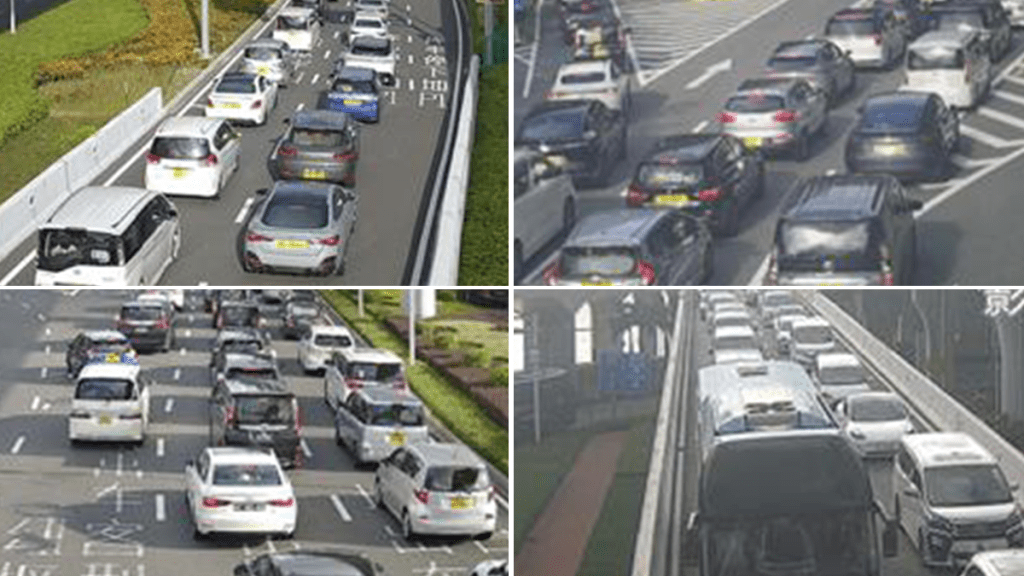
As Middle East tensions rattle global oil prices, Hong Kong’s targeted diesel subsidy and half-price tunnel tolls for commercial vehicles offer a responsible alternative to blanket handouts.
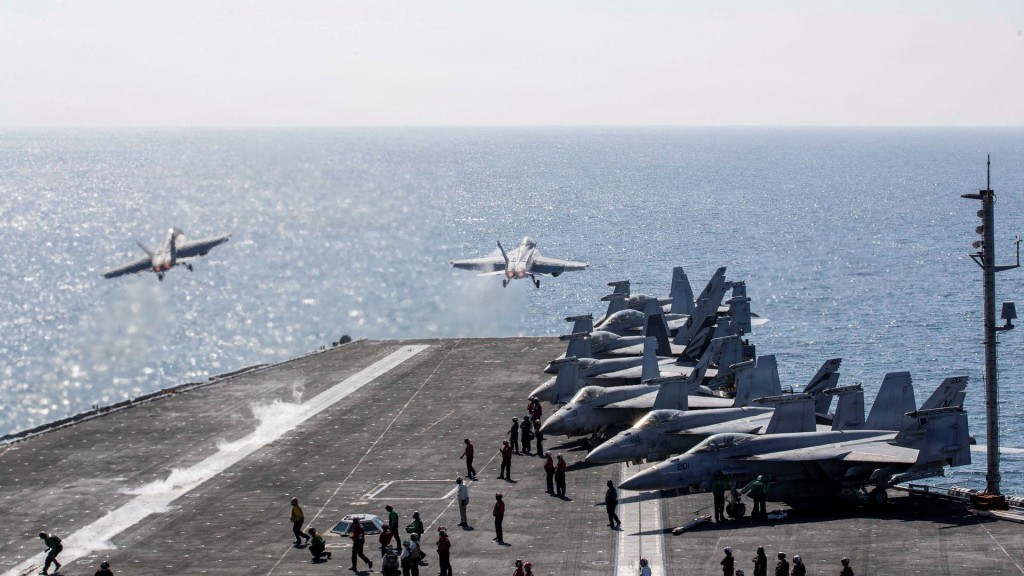
With Middle East conflict driving international oil prices to recent highs, Hong Kong’s transport sector has been struggling under surging operating costs.
Freight services, public buses, school buses, and village buses – critical pillars of daily life – have all felt the strain.
In response, Chief Executive John Lee Ka-chiu chaired a cross-departmental task force and announced four short-term relief measures.
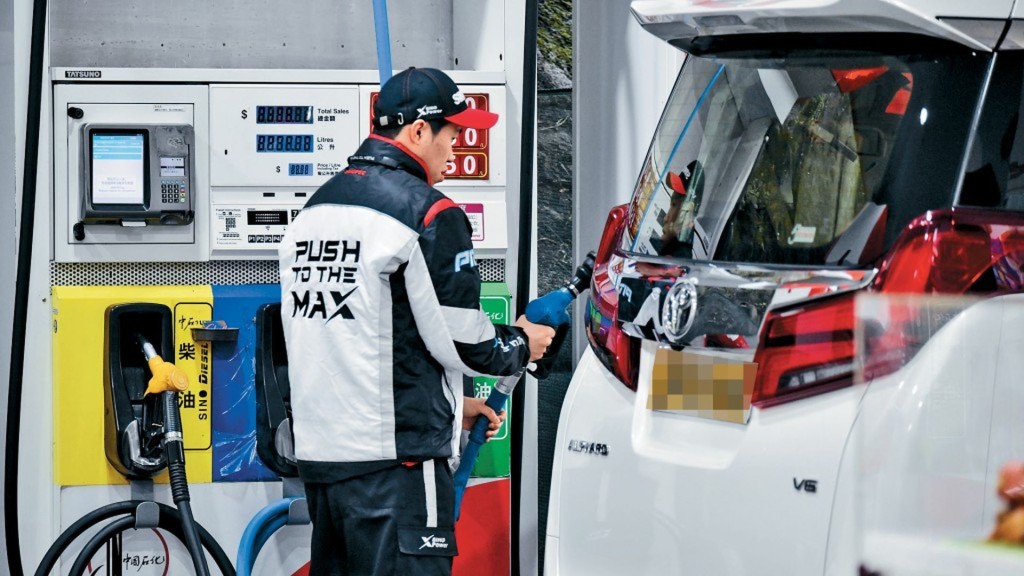
These include a HK$3-per-liter diesel subsidy and a 50 percent reduction in tunnel tolls for non-private cars, both valid for two months. Together, these measures lower operating costs for taxis, minibuses, and trucks, safeguarding Hong Kong’s logistics and transport lifelines. This precision-driven approach delivers timely relief to the hardest-hit industries – pragmatic, responsible, and deserving of full Legislative Council support.
Looking overseas, many economies have fared worse. In Europe, blanket fuel subsidies created fiscal black holes as prices fluctuated. Some developing nations forced into emergency bailouts gained little long-term stability.
Hong Kong’s restrained, monitoring-first approach stands out. By establishing a cross-departmental task force before a full crisis hits, Hong Kong prioritizes data-driven decisions over panic spending. Instead of following the subsidy-heavy path that backfired elsewhere, Hong Kong wisely chooses coordination, vigilance, and targeted intervention.
Some regions like Singapore handed cash allowances to taxi drivers – an overreaction unnecessary in Hong Kong, where most taxis run on liquefied petroleum gas, whose price volatility is far milder. The two-month limit reflects careful judgment.
Recent ceasefire talks have shown progress, with oil prices already retreating. A short-term subsidy provides emergency relief while avoiding long-term fiscal commitments.
For ordinary citizens, oil price fluctuations have limited direct impact – resources are rightly channeled to the most damaged segment: commercial transport.
Despite tight fiscal conditions, the government insists on precise relief rather than wasteful spending. The policies are reasonable, effective, and well-targeted. The LegCo should approve funding swiftly. Getting these measures on the ground quickly will help the transport sector weather the storm and keep Hong Kong’s economy and people’s livelihoods stable.