Read More





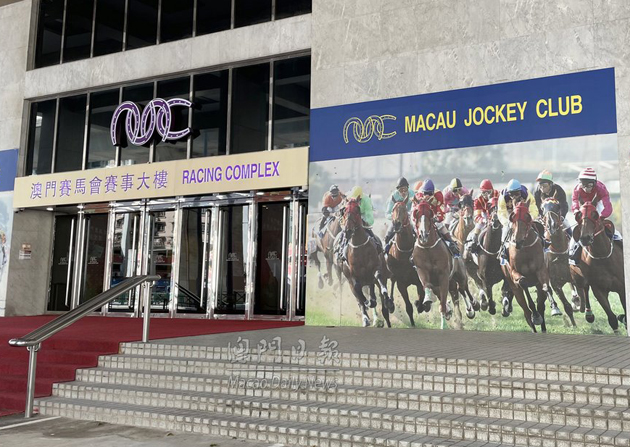
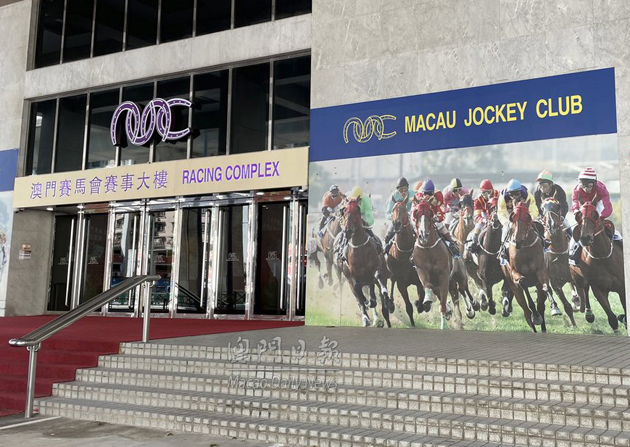
The horses will stop galloping in Macau before the 25th anniversary of the enclave's return to China.
The Macau Jockey Club raced to its prime in 2003 and has been on a decline ever since.
The turning point probably came in 2002 when the Hong Kong government passed a law banning anyone from betting on Macau horse racing from Hong Kong.
The legislative move protected the Hong Kong Jockey Club but greatly inhibited the Macau Jockey Club, which had relied heavily on bets from Hongkongers.
Having accumulated a loss of MOP2.5 billion (HK$2.5 billion) since 2005, it surprised no one that the Macau Jockey Club took the step to cut its losses by reaching an agreement with the Macau government to terminate the franchise that was supposed to last until 2042.
In hindsight, what should have been a surprise was the club's move in 2018 to extend the franchise.
Despite successive losses, owners of the club might have been confident about their financial strength and the club's future - so why have they changed their view a year after the pandemic?
The development is not necessarily a bad thing for Macau because the racetrack land can be made available for better use rather than being reserved for just a handful of race meetings every week.
Horse racing is not a sustainable business model in many places. Well before Macau's announcement, the Singapore Turf Club had already stated it would host its last race meeting in October this year, after which facilities would be returned to the government.
The Hong Kong Jockey Club is a rare exception to this norm: while its overseas peers are either closing or struggling, it is still tremendously successful.
It has remained a goose laying golden eggs for Hong Kong for so many years after the handover.
Turnover grew 5.1 percent to reach a new high of HK$304.8 billion in the 2022/23 financial year, with HK$278.47 billion wagered by local punters and HK$26.32 billion in non-local bets and the club's pools.
In 2022/23, it returned a total of HK$35.9 billion to the community, including HK$28.6 billion to the government and HK$7.3 billion in charity donations.
Starting this 2023/24 financial year, the club has been hit with an additional HK$12 billion levy on football gaming earnings payable over five years, or HK$2.4 billion a year, as Financial Secretary Paul Chan Mo-po tries to bridge the government's fiscal gap.
As Chan predicts one or more years of deficit ahead, it would be tempting for him to eye the jockey club for even more levies against a background of failed land sales and weak turnover in the local stock market.
After the Macau Jockey Club announced its imminent demise, the Hong Kong Jockey Club issued a eulogy in praise of the former.
It did not forget to stress that the operating environment could not be tougher due to the global economic slowdown and - probably more importantly - keen competition from illegal and offshore bookmakers.
Perhaps what it really wanted to convey in the statement was a plea to spare it another tax ax in Chan's upcoming budget.