Read More
2024 may have started off with a big fireworks bang but the property sector is beset with mixed signs.
ADVERTISEMENT
SCROLL TO CONTINUE WITH CONTENT
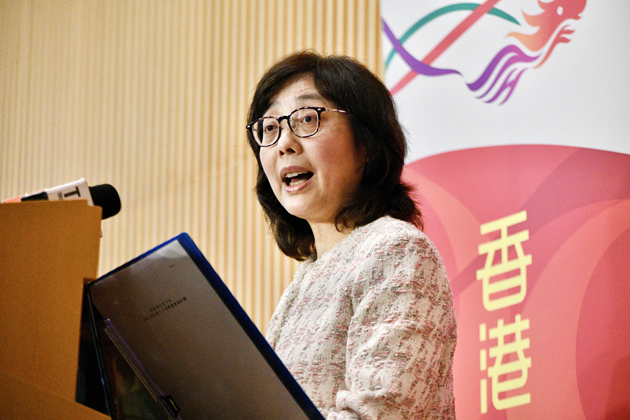
Yesterday Development Secretary Bernadette Linn Hon-ho revealed the land sale program for the first quarter.
Although it was said to be the "program" for the quarter, it may be more accurate to liken it to a "non-program" as there is only one industrial site being put up for sale.
For the first time in recent years, not a single plot for residential use has been included.
In the final quarter of 2023, there was still one residential site up for sale, even though it was tiny and remotely located at Cheung Sha, Lantau.
It drew only one bid - from Sino Land - and was sold for about 20 percent below market estimates.
Weak market sentiment may be blamed for Linn's surprise decision to empty the first quarter schedule of any residential land.
And she appeared not at all anxious. As she referred to figures showing the administration was rather close to achieving its housing target of providing 12,900 flats for the current year, she was proud that 11,530 have been secured.
She is probably confident the market will take a turn for the better in 2024 - or thereafter - and that she will then be able to sell the land for a price higher than now.
Otherwise, it would make little sense not to accelerate land sales to generate as much revenue as possible to top up the fiscal hole that is predicted to be more than HK$100 billion by the end of the current financial year.
The confidence appears to contradict that of developers.
In the latest episode, none of the owners of six major plots in Kwu Tung North and Fanling North accepted the land premiums demanded by the government, even though the amounts had been lowered.
Under the policy, owners of land marked for the Northern Metropolis could keep their plots and build according to zoning uses after paying a premium.
What does it mean?
Business-minded developers would readily commit to a project if they could make a profit out of it.
By the same token, they would hesitate to take the risk if they did not think they could make a profit even after the land premium was lowered.
It's as simple as that.
The Kwu Tung and Fanling housing projects would take six to seven years before the units could be ready for sale. The developers owning the plots appear to be holding back, not sure what the market may be like seven years from now. Developers may not be pessimistic about the future, but they remain rather cautious, at least for now.
Linn and those owning the six plots in Kwu Tung and Fanling could both be right.
If Hong Kong's economy turns for the better, as regularly predicted by government officials, Linn can expect to sell the land for a better price in future, with the developers missing an opportunity to secure bargains.
If it turns out to be the opposite, the government will have to sell the land for even less during this and coming years, with the current owners keeping themselves in the safe zone by refusing to accept the demanded premium.
So who is smarter? Only time will tell.
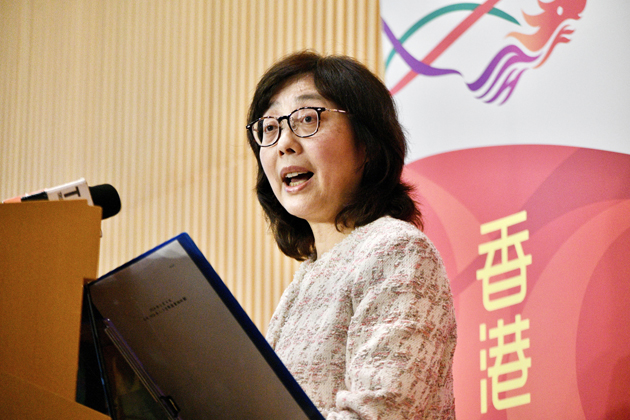
Bernadette Linn