Read More


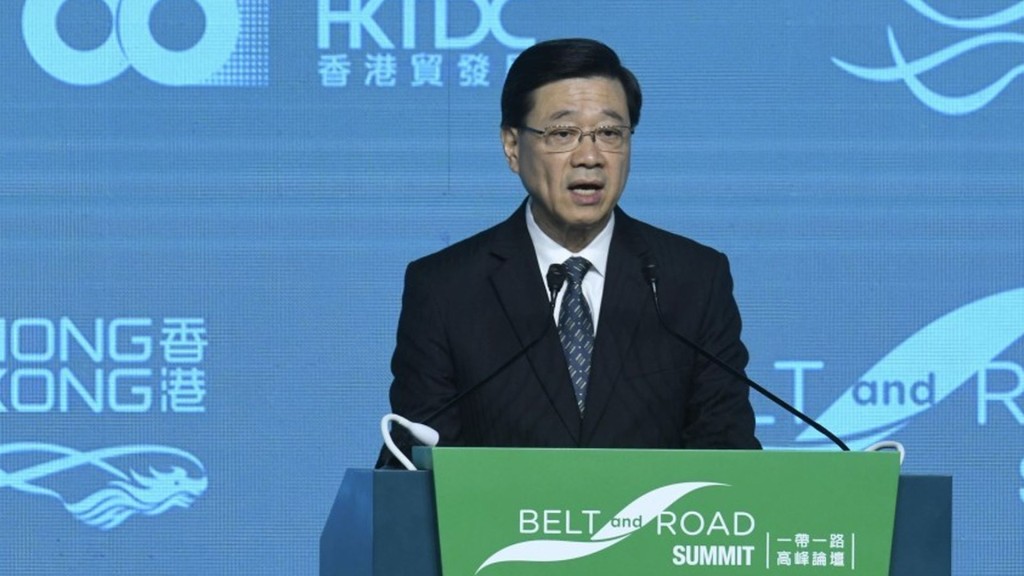
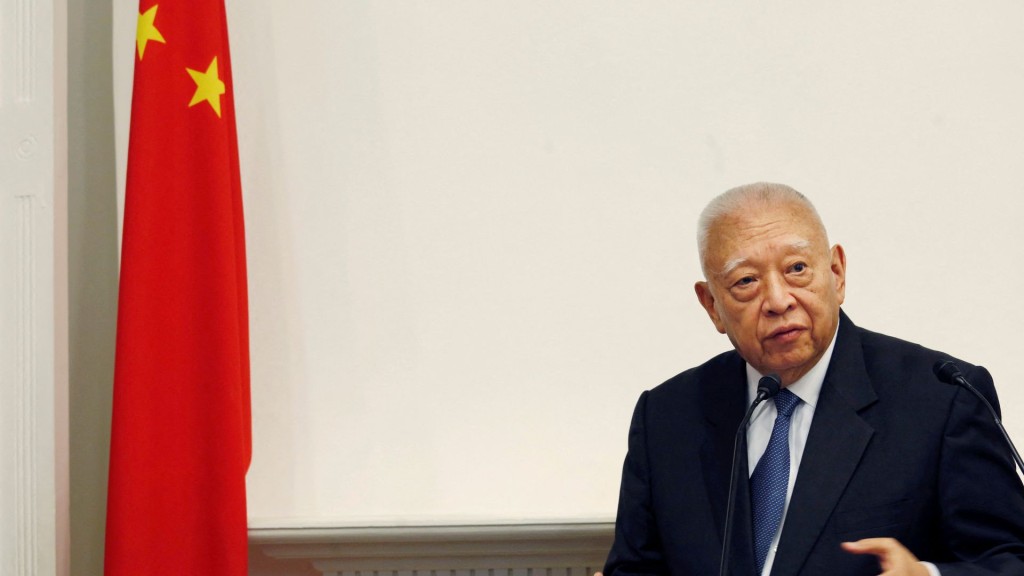
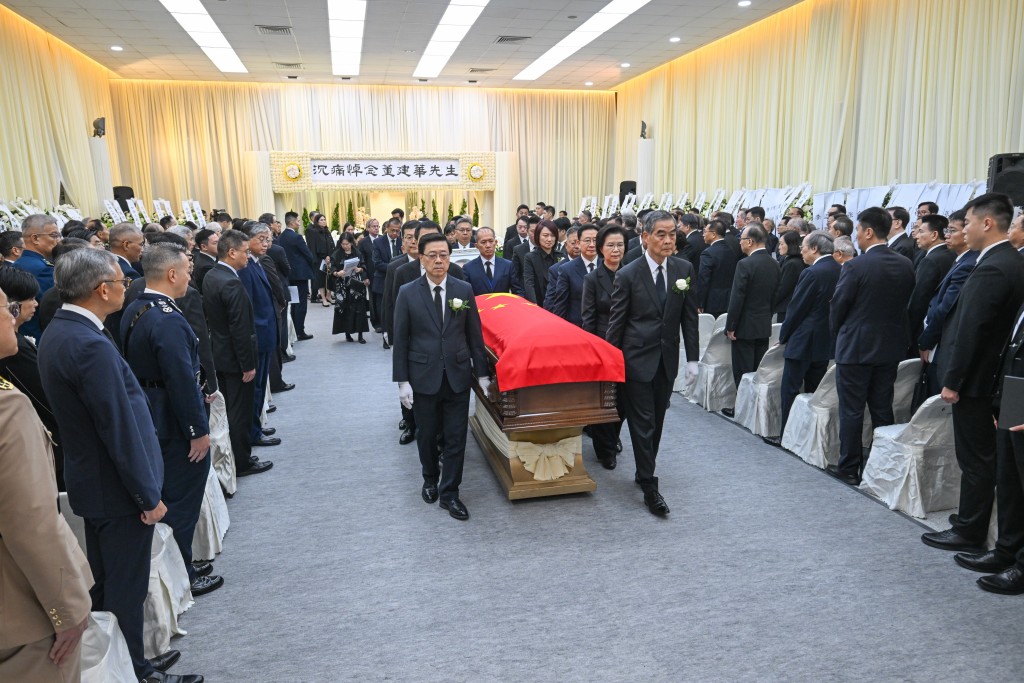
John Lee and CY Leung lead pallbearers for Tung Chee-hwa
20-09-2026 15:54 HKT
Law Society proposes allowing solicitors to be appointed Senior Counsel
21-09-2026 01:56 HKT
The Hang Seng Index tumbled almost 480 points after the long weekend.
As former secretary for financial services and the treasury Frederick Ma Si-hang astutely pointed out in an interview with a local media outlet, the outcome of the government's recent attempt to resuscitate the city's night economy would have been reflected in a rebound in the stock market if the Night Vibes Hong Kong campaign had been successful.
It may be unfair to say the night vibes on both sides of the harbor had been less than a success since these special events have drawn more people to go out at night rather than watching movies streaming at home.
In this light, the special marketing campaign masterminded by Financial Secretary Paul Chan Mo-po and coordinated by his deputy Michael Wong Wai-lun has achieved the numbers.
However, the economic effects are falling short of expectations - if there had been a realistic expectation at all in the first place. Otherwise, as Ma has stated, retail and property stocks would have performed better than they have been currently.
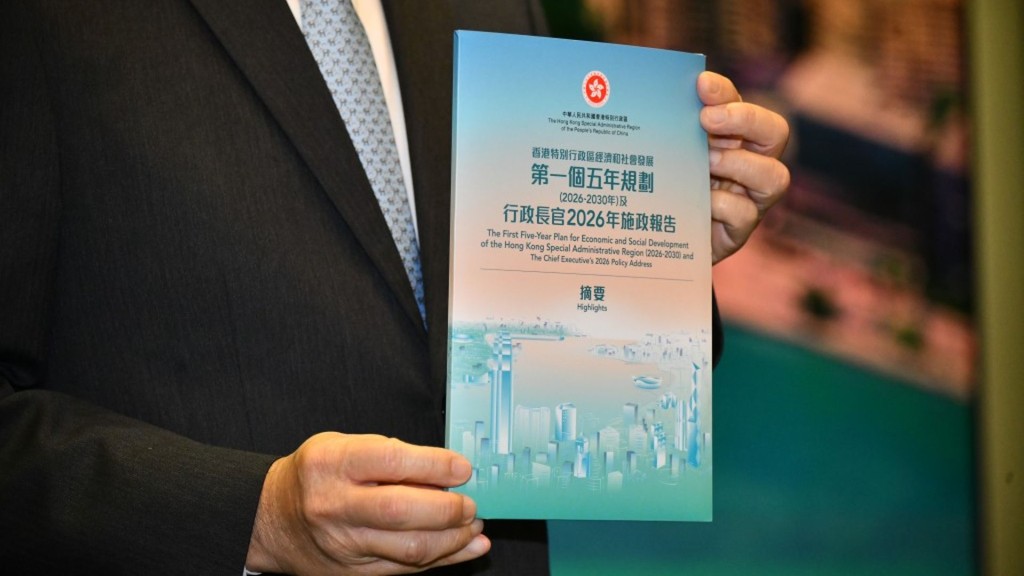
Investors are probably switching to a wait-and-see mode - waiting to find out what measures Chief Executive John Lee Ka-chiu may announce in his upcoming policy address to stimulate the city's economy that, according to S&P's global purchasing managers' index, has stayed below the 50 mark for two consecutive months.
A figure above 50 refers to expanding economic activities, while a number under 50 points to contracting economic activities.
Apparently, the SAR needs more than vibes at night to speed up the economy - and it is rather discomforting to hear Ma comparing the economy today with that of the last crisis 20 years ago.
He said we are seeing challenges even greater than before and during the last crisis.
Ma was not the first public figure to make such politically incorrect comments.
Hang Lung Group chairman Ronnie Chan Chi-chung was perhaps more straight forward in sharing his views on the SAR's economic outlook with shareholders.
In Chan's opinion, Hong Kong is in the middle of a systemic transformation, rather than being in the midst of just another economic up-and-down cycle that the city has experienced a number of times over the years.
If this were just another normal economic cycle similar to those Hong Kong has gone through before, we could be expected to emerge stronger at the end of the cycle in light of the agility and resilience for which Hongkongers are well known.
However, if it is more than a cycle, then the SAR could be heading somewhere it has never been before - not even during the bad times of 2003.
Latest official figures show the government fiscal deficit accumulated to a high of HK$134.3 billion in the first five months of the financial year. Fiscal reserves have also dropped to just below HK$700 billion - barely enough for 12 months of government expenses.
It is increasingly urgent that the policy address spells out new initiatives to reboot the economy.
It is likely that investors will continue to wait to see what Lee is going to say in the policy address before making any new commitments.