Read More






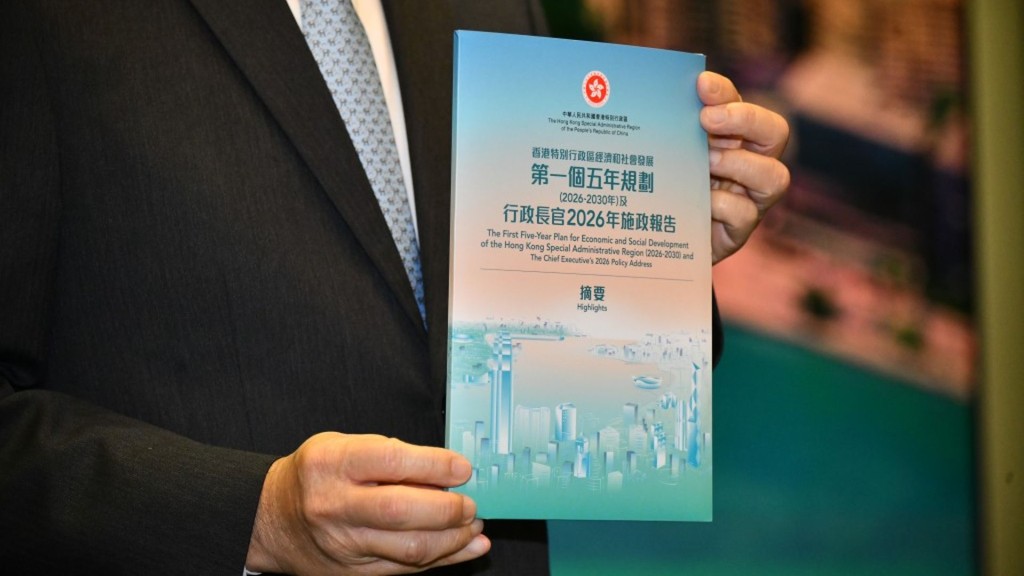


Oops! Birmingham has become the seventh English local council to declare "effective bankruptcy" since the millennium.
Following the declaration, local residents – including BNO visa holders settling in this second largest city in Britain – may expect only essential services to continue after all nonessential public projects to stop until the local government is back on its footing.
Officially, it is known as a Section 114 notice that prohibits the authority from making new spending commitments.
Although it is likened to “effective bankruptcy,” it is more like a debt-ceiling crisis in the US or a state of fiscal emergency that is often followed by a new budget with reduced expenditure.
A bankrupt company such as Lehman Brothers may vanish totally, but nobody would seriously think Birmingham would disappear from the UK map. The Birmingham city council is expected to continue to provide minimum services as in the event of a debt-ceiling crisis in the US.
This explains why many local residents have responded to the news with “oops” and then carry on with their lives.
Nonetheless, the effective bankruptcy of Birmingham serves as another example of how imprudence with public finance can ruin governance.
Since the millennium, six local councils have been effectively bankrupt at different times before Birmingham joined the ranks. Hackney was effectively bankrupt in 2000, Northampton in 2018, Slough in 2021, Croydon as well as Thurrock in 2022, and Woking earlier this year.
Like China where provinces look to the central government in Beijing for funding in addition to local incomes, British councils look to the central government in London for funding to supplement local incomes.
When both the central and local governments are stretched, issues arise.
In Birmingham’s case, an outstanding settlement issue on equal pay claims ordered by the Supreme Court years ago and worsened by the recent high interest rate environment is the last straw for Birmingham.
Of all the councils bankrupt now and then, Woking has stood out as the most indebted.
The locally elected Liberal Democrat government issued a Section 114 notice this year, blaming the former local Conservative government for a fiscal blackhole of £1.9billion (HK$18.6 billion) stemming from an ambitious investment plan including a mall, residential high-rises and a hotel.
The investment by the Conservatives was a bet. While it may reinvigorate local economic activities to make the cake bigger for all, the downside could be enormous should forecast demands fail to materialize, rendering investments little more than white elephants that would also be costly to maintain.
Financial prudence are the magic words for every responsible public administrator. Obviously, a number of the British politicians have failed to learn from others’ failures.
Birmingham will not be the last city authority to declare bankruptcy. British media reported about one-third of the councils in the country’s poorest areas are considering taking a similar route.
Hong Kong may be financially robust and not in danger of such a crisis. That said, Financial Secretary Paul Chan Mopo is expected to practice financial prudence as required by the Basic Law to avoid putting the city under heavy debt.