Read More


Night Recap - September 22, 2026
1 hour ago

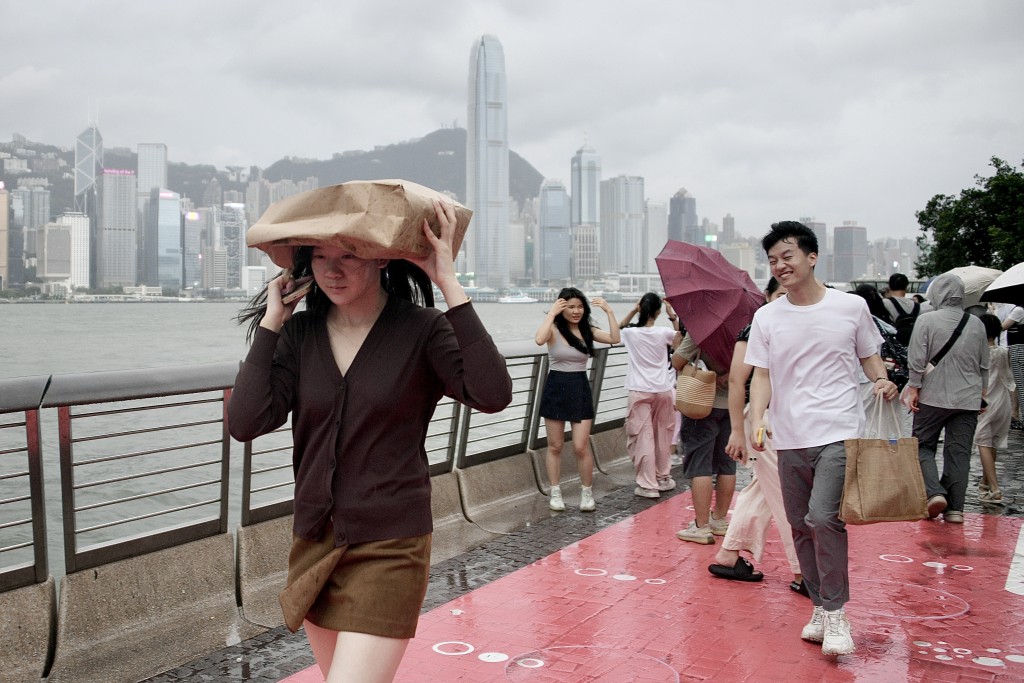
HKO forecasts showers Tuesday, tracks possible cyclone east of Philippines
21-09-2026 17:31 HKT
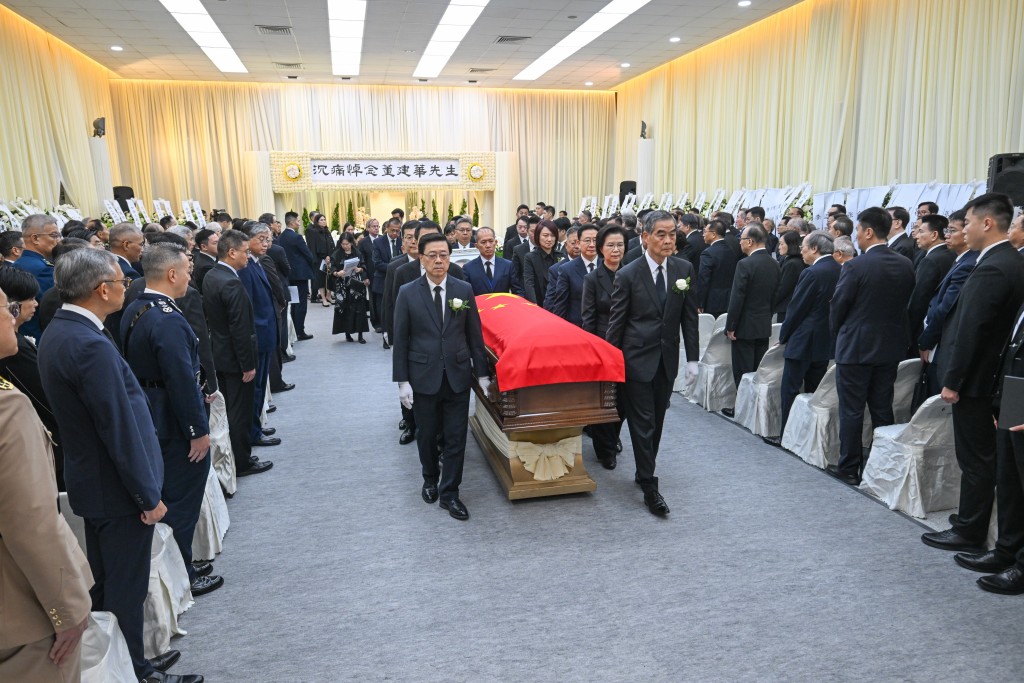
John Lee and CY Leung lead pallbearers for Tung Chee-hwa
20-09-2026 15:54 HKT
The University of Hong Kong (HKU) has admitted 1,800 non-local undergraduate students for the current academic year, citing shifting geopolitical dynamics with making the city a more compelling destination for international applicants.
The new intake spans 66 countries and regions. More than 700 students are from outside the mainland, up 77 percent year-on-year.
The university said the current admissions level complies with the government’s quota cap of 50 percent for non-local students, leaving room for further growth. Admissions for local students via the non–Joint University Programmes Admissions System (JUPAS) route also rose by about 20 per cent.
While the university maintains the capacity to fully utilize its non-local quota, administrators acknowledged that future growth faces physical constraints due to campus saturation.
Bennett Yim Chi-kin, director of undergraduate admissions and international student exchange at HKU, said current global political tensions have unexpectedly worked in the institution's favor.
Some students are reconsidering plans to study in the United States, he said, and Hong Kong has emerged as an alternative. He added that mainstream interest from the mainland has remained stable, given its geographic proximity.
Yim said HKU is launching two new programs, including the Bachelor of Arts Elite Programme and the Bachelor of Engineering in Robotics Engineering.
The university is also partnering with the University of California, Berkeley, to introduce its third dual-degree program, focused on economics.
On the residential front, the newly completed High West student residence has begun operations, providing 950 student living spaces.
First-year mechanical engineering student Brice Saba, from Burkina Faso—a landlocked country in West Africa—said he chose HKU over a US offer because of stringent visa requirements.
Having completed previous studies in Singapore, Saba said his familiarity with Asian culture made Hong Kong a natural first choice.
Lucas, a first-year biology student from Venezuela, said HKU’s high level of internationalization and the city’s stable environment were key factors in his decision.
Both students noted plans to learn Cantonese and Mandarin and seek internship placements locally and in the Greater Bay Area.
On concerns over converting the campus “Democracy Wall” into a digital display, Yim said student expression would remain uninterrupted.
He explained that the shift was designed as a space-optimization measure to host a broader variety of notices rather than to curtail expression.
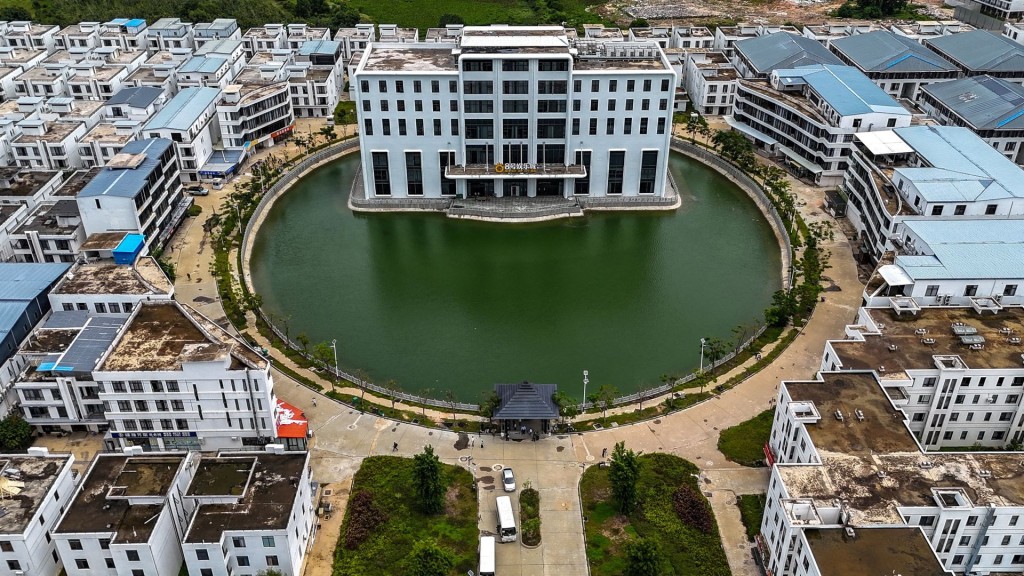
HKU is also looking to expand into the Hung Shui Kiu University Town in the Northern Metropolis. Yim said the Pok Fu Lam campus has reached physical limits and that the university plans to secure development funding through a combination of government support and private fundraising.
Yim reassured students that class timetables would be arranged carefully to avoid unrealistic back-to-back commutes between the Northern Metropolis and the main campus.