Read More


Defying the demographic cliff: restoring hope
06-10-2026 04:56 HKT


Kim Jones to open first global flagship at Henderson's Central Yards in 2027
13-10-2026 20:13 HKT
It is obvious to all that the environment for doing business in Hong Kong has become challenging. But just how challenging is it?
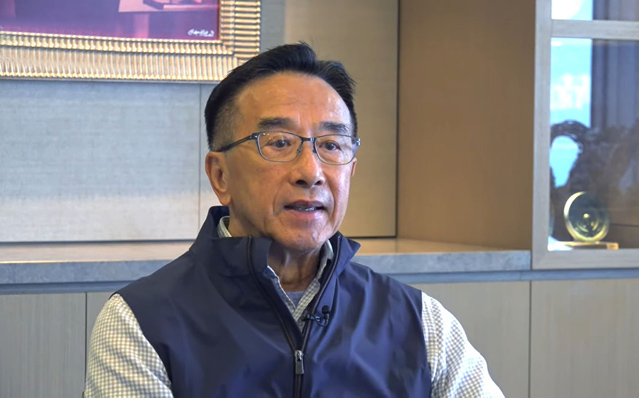
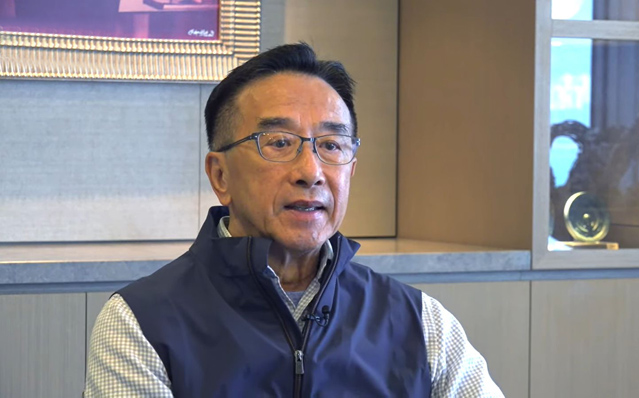
Industrialist and former lawmaker James Tien Pei-chun recently cited a word that he said has been popular among his business peers these days: hibernation.
That is a rather interesting term to use as it refers to animals sleeping in a dormant state to survive the freezing winter.
There are multiple reasons for companies to reduce their activities and these need not be elaborated further here.
Normally, businessmen will not hibernate easily as they often see in a crisis new opportunities to increase their footprints to secure a large share of the pie when the process of natural selection wipes out the weaker players.
So, when even businessmen feel it necessary to hibernate in the red hot summer, the chill down their spines cannot be ignored readily as it could turn into a vicious cycle that creates a bigger economic storm.
People doing business do not choose to hibernate with a view to making things worse.
But when the environment has become too challenging to overcome and they feel the need to lie low or even stop launching new projects, the reluctance to make new investments creates new economic problems.
So when an industrialist speaks up to warn about the economy, Financial Secretary Paul Chan Mo-po should listen.
Will he listen now that Tien has spoken up?
I have little doubt that Chan would agree that greater efforts should be made to draw more investment into the SAR.
As he and his government peers continue to do so, they should work to address the concerns that local merchants may have over the local business environment.
Believe it or not, the latest voter registration figures seem to have lent credence to the hibernation theory.
Besides the apparent decline in the number of young voters, decreases in the voter registry are also observed in a number of functional constituencies - and this loss of electors is somehow unexpected.
Sectors including education, medical and health services, and legal all reported various levels of reduction in the number of electors.
Voters in these individual-based functional constituencies had been active in past elections.
However, most curious of all are the decreases in the number of company-based electors in the functional constituencies of Commercial One, Two and Three.
As it made public the voter registry, the electoral office did not explain why the number of electors in Commercial One, for example, has gone down from 986 companies and organizations to 952.
Comparable losses of electors have also occurred in the wholesale and retail, catering and tourism functional constituencies.
Normally, these company or organization-based electors would not give up registration readily.
Could these missing electors be also hibernating or, even worse, no longer exist?