Read More


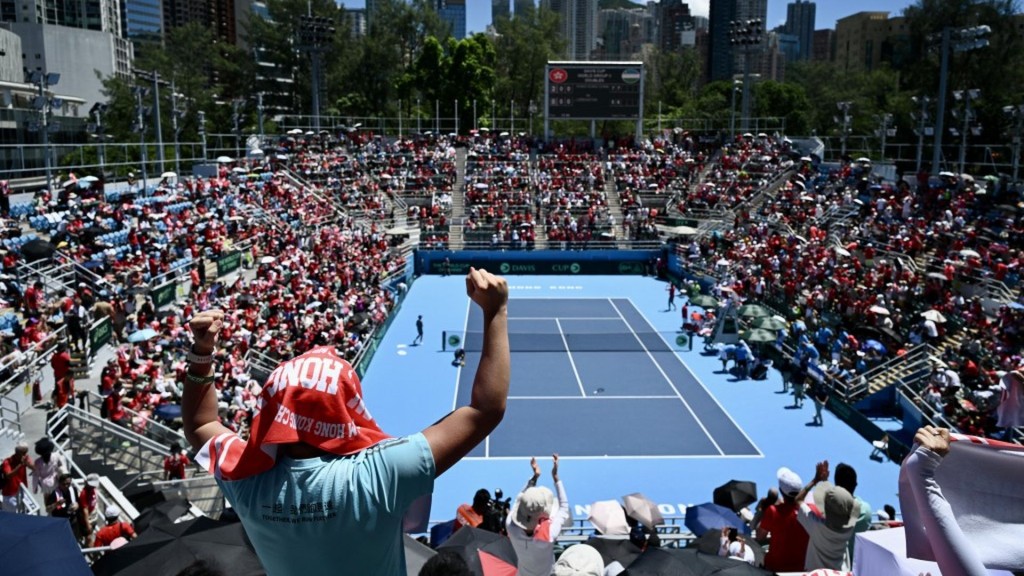
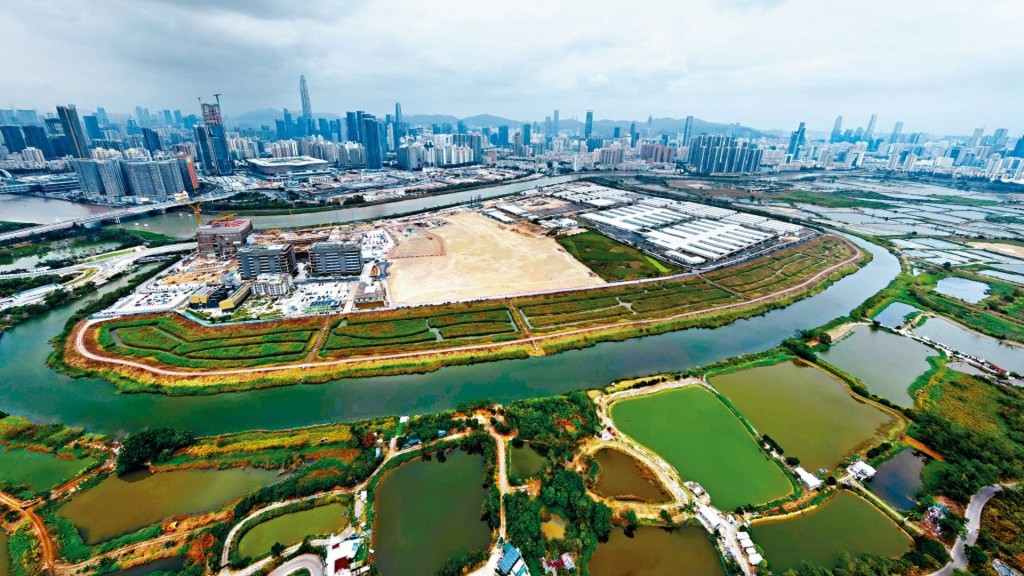



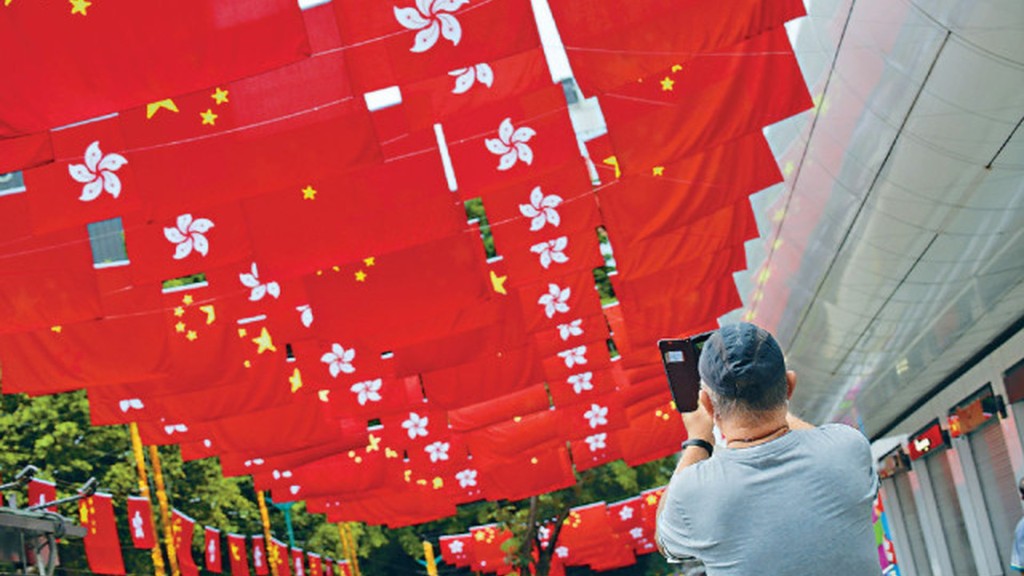
Tomorrow marks the 29th anniversary of the return of Hong Kong to China – a historical watershed signifying the twilight of the British Empire and a pivotal chapter in China’s national rejuvenation. Originally ceded after the Opium Wars, when steam-powered warships of the First Industrial Revolution forced open China’s doors, Hong Kong was utilized by Britain as a strategic springboard into the Pearl River Delta. This unique positioning transformed a collection of fishing villages into a premier global entrepot, anchoring the city as an international hub on the world stage.
Hong Kong’s narrative took a dramatic turn after World War II. Despite direct military conflict between Chinese and American forces on the Korean Peninsula, London and the newly founded People’s Republic of China maintained a tacit understanding to keep the colony under British administration. Beijing recognized Hong Kong as an indispensable window to the West, while British governors, operating as geopolitical strategists, framed the territory as the “Berlin of the East.”
This Cold War outpost narrative left a deep ideological imprint on the city, fueling a lingering resistance to Chinese governance during the initial decades following the 1997 handover.
However, the global landscape has shifted radically. The neoliberal politico-economic system adopted by the West since the 1970s – characterized by aggressive deregulation, deindustrialization, and privatization – has led to severe wealth inequality, crumbling infrastructure, and deep political polarization. In stark contrast, China pursued a pragmatic path under Deng Xiaoping, steering away from ideological infighting toward a highly successful mixed economy.
While the colonial authorities famously described Hong Kong as a “Chinese city with British characteristics,” its true essence remains deeply Chinese – defined by a robust work ethic, family-oriented social fabrics, and Confucian values, successfully integrated with the English common law system and Western financial architecture.
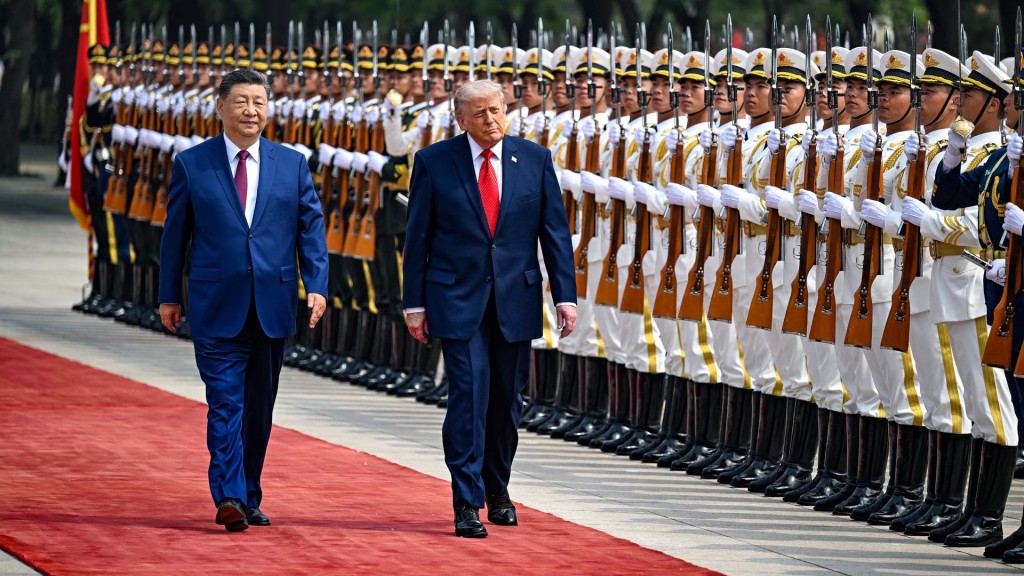
As the global balance of power continues to pivot, the rise of populist politics in the West has ushered in an era of intense geopolitical competition. This heightened friction has prompted Beijing to systematically dismantle residual Cold War mentalities within the territory. Yet, against this backdrop of rising geopolitical tensions, Hong Kong’s role as a “super connector” remains more vital than ever. Its distinctive legal system and deeply internationalized financial networks provide the exact tools needed to navigate the strong currents of multipolarization, prompting the city to proactively diversify its economic partnerships into the Global South.
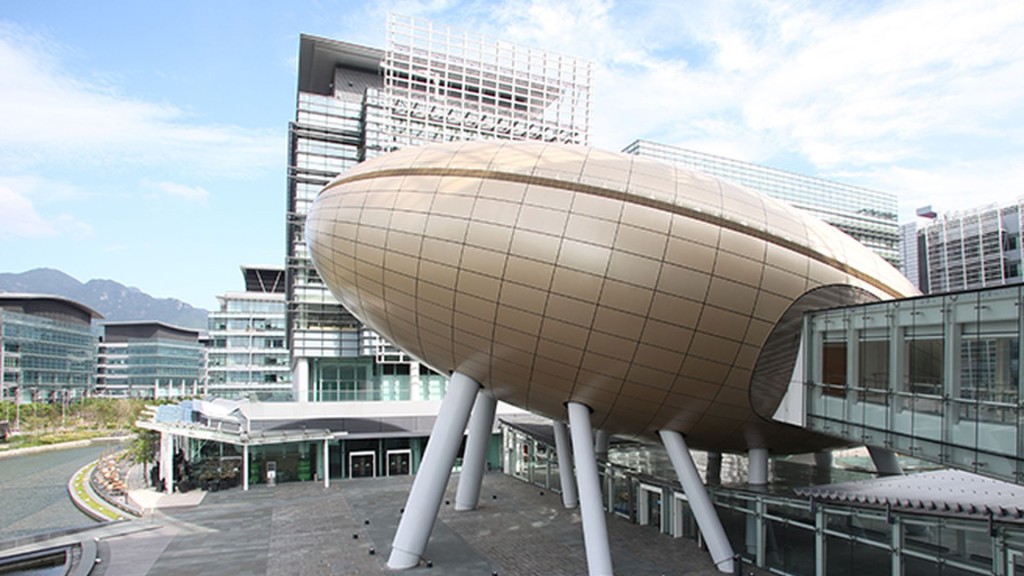
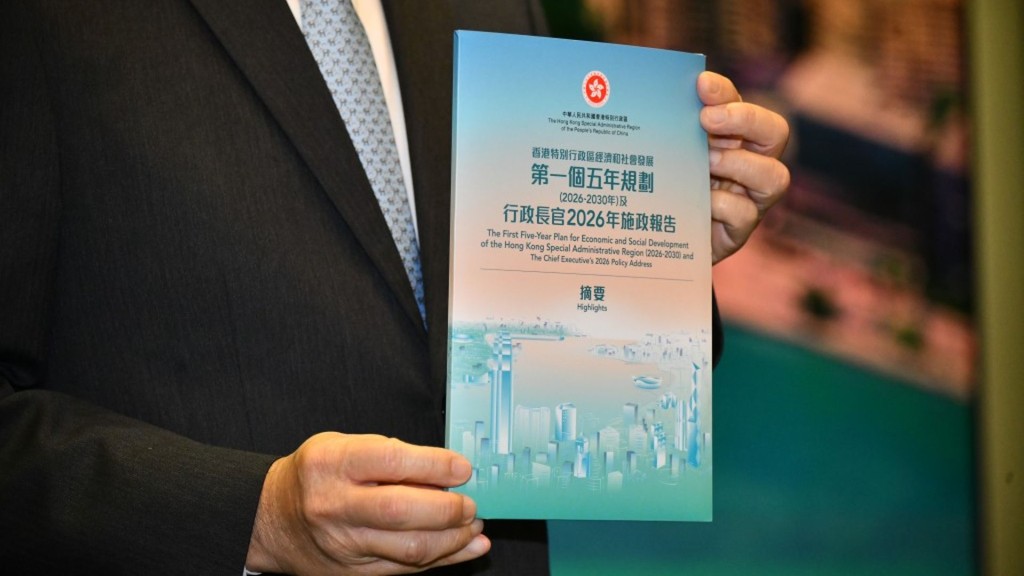
Ultimately, Hong Kong’s survival in this shifting landscape depends on its adaptability to the Fourth Industrial Revolution. The Hong Kong government’s inaugural Five-Year Plan prioritizes innovation, artificial intelligence, and technology infrastructure.
Positioned firmly on the nation’s upward trajectory, Hong Kong’s future hinges on its ability to evolve from a traditional gateway into a tech-driven, resilient global metropolis – a collective challenge that will require the shared vision and effort of all its citizens.