Read More
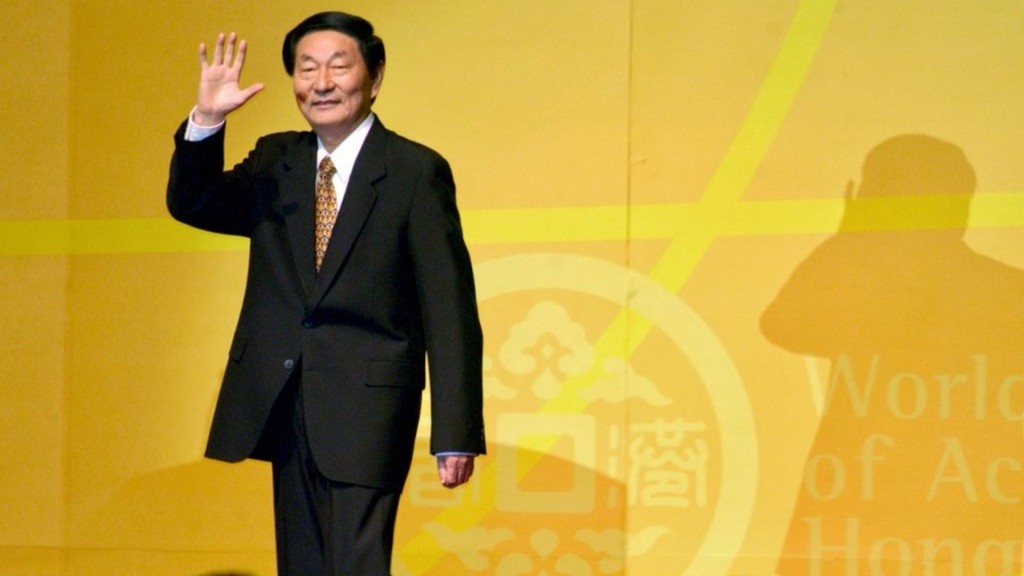
For the first time in memory, Chief Executive John Lee Ka-chiu has publicly admitted Hongkongers have been leaving the city in large numbers.
ADVERTISEMENT
SCROLL TO CONTINUE WITH CONTENT
Lee did not use these words exactly, but rendered his comment the same effect when he expressed confidence that the "worst has passed."
It would not have been considered worse -let alone "worst" - had the numbers been small.
Here's the question: is it really true that the worst is over?
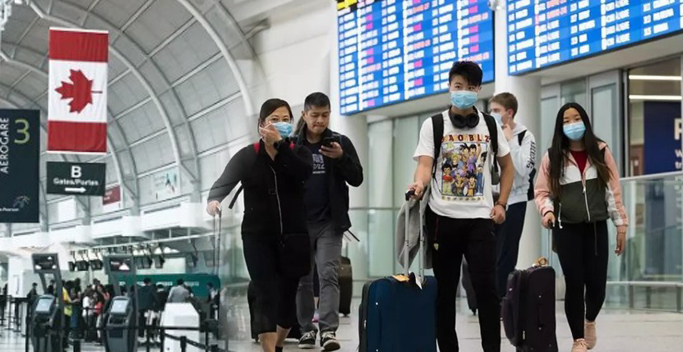
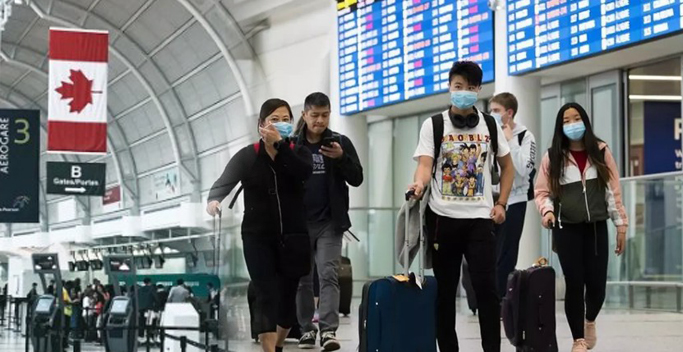
While only time will tell, I would have hesitated to say so immediately since Canada has just announced what is believed to be the easiest immigration plan on earth for Hongkongers - even easier than UK's BNO visa scheme.
Under the simplified Stream B for Hongkongers who have worked in Canada before, IRCC - the preferred shortened form for the Immigration, Refugees and Citizenship Canada - will remove a long-standing education requirement from mid-August.
This means that HKSAR or BNO passport holders now in Canada may apply for permanent residence if they have worked in Canada for one year. Work experience gained via working holidays in the country may also count towards that one year of experience.
Canada is probably the world's most popular immigration destination, not only for Hongkongers but also mainlanders.
Meng Wanzhou, a former top executive at Huawei, was reported to have two luxury houses in Vancouver and had been visiting the city for 15 years before she was arrested at Vancouver International Airport in December 2018 over alleged breach of US sanctions on Iran.
Meng was released and returned to China in September 2021.
Since Canada launched the Stream A and B "lifeboat" program for Hongkongers, over 3,100 people from the SAR have made use of the program and settled in the country.
However, only a relatively small number - 764 as of April 30 - have opted for Stream B.
It remains to be seen how much an impact the latest policy relaxation by Ottawa will have on the SAR.
It can be expected that more people may leave Hong Kong when those previously not meeting the education conditions are now able to apply.
That said, it is too early to predict if the number will increase drastically from the relative low of 764 as of April.
Ottawa is believed to have a political consideration when augmenting the "lifeboat," but that is not the focus of this column today.
Rather, the latest development should renew attention on an issue that Hong Kong policymakers have been reluctant to publicly discuss for many months.
I was glad to hear the chief executive mentioning it in public a day ago.
Although it is still uncertain whether the various talent and foreign labor schemes introduced by Lee's administration will compensate the loss of local talent, what may be said with greater certainty is that it would be of little help to pretend that the steady loss of local talent would not be a problem for Hong Kong.
The SAR has to face the facts; it cannot just bury its head in the sand.