Read More







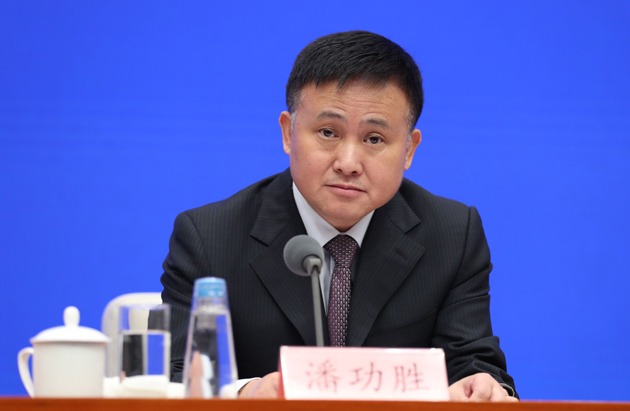
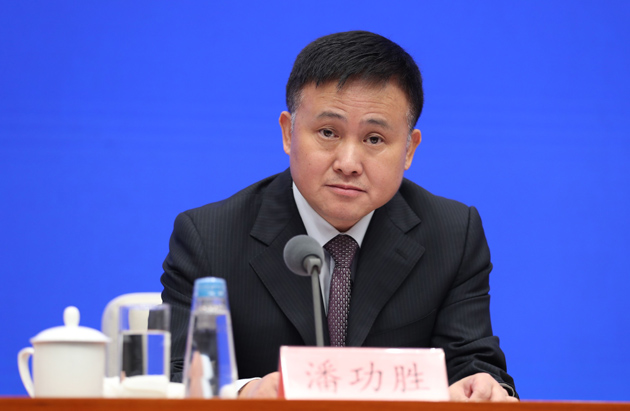
Pan Gongsheng will reportedly take over from Yi Gang to become the governor of the People's Bank of China after being named party secretary of the central bank last Saturday.
Sing Tao Daily, The Standard's sister newspaper, was among the world's first to break the news.
Prior to Pan's promotion, the post of party secretary was occupied by Guo Shuqing.
If Pan is to be appointed as the next central banker, as expected, he would play the duo roles of governor and party secretary of the central bank at the same time.
Could his promotion to occupy both top slots be a prelude to consolidation of the leadership at the bank as President Xi Jinping centralizes oversight of the financial sector under new policy-making committees?
It is too early to say.
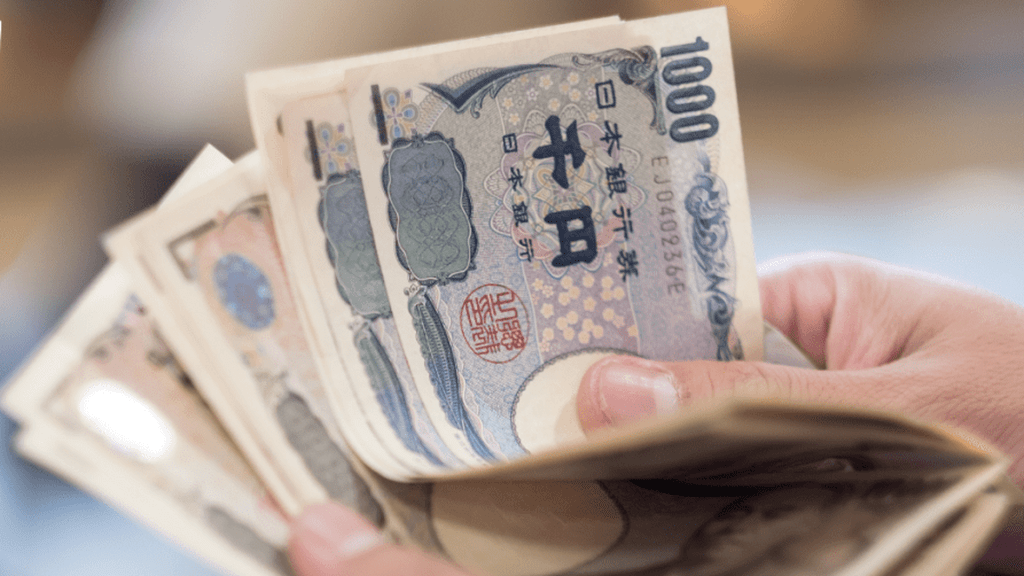
What is relatively clear is the immediate challenge of the yuan, which has depreciated by over 5 percent against the US dollar since mid-April to plunge below a level deemed psychologically crucial for investors.
Multiple factors have been blamed for the yuan going weak.
In addition to the emergence of a vast interest gap between China and the US that has made it attractive to earn a much higher interest with US dollar assets, Russia is also reported to be selling the yuan it has earned from oil sales for other hard currencies in offshore markets.
Pan - a deputy governor of the central bank since 2012 and head of China's foreign exchange regulator since 2016 - will have to face this immediate challenge in his new role or roles.
According to Sing Tao Daily, Chinese Community Party central committee alternate member and CITIC Group chairman Zhu Hexin had been a frontrunner for the central banker position.
On the contrary, expectation had been low for Pan to move further up after he - formerly an alternate member of the central committee - was totally excluded from the party central committee in a leadership reshuffle during the 20th National Congress in October last year.
Following his removal from the party's central committee, the view had been that Pan would retire after turning 60 this month as that is the normal retirement age for cadres of that rank.
A slowdown in China's economy - despite a short burst of economic activity following the lifting of the mainland's strict zero-Covid restrictions - may have convinced the central leadership that a face familiar to investors and with a vast background of international training and experience would be preferred to someone whose training and experience had been limited to within the country.
Pan's curriculum vitae includes a long time spent in senior positions of Chinese commercial banks and a background of doing research at Harvard and Cambridge universities.
He is also said to be well known and respected by investors within and outside the country.
The financial markets have so far responded to Pan's promotion with calmness, which is a rather positive sign.
Perhaps continuity and stability in the financial market are what China needs the most these volatile days.