Read More
The national security police in the SAR have apparently gone psychological in the ongoing crackdown on opposition with a high-profile announcement of warrants and bounties for eight Hong Kong activists now living in the West, some in self-imposed exile.
ADVERTISEMENT
SCROLL TO CONTINUE WITH CONTENT
The eight individuals named are: former pan-democratic lawmakers Ted Hui Chi-fung and Dennis Kwok Wing-hang; social movement activists Nathan Law Kwun-chung, Anna Kwok Fung-yee and Finn Lau; trade unionist Mung Siu-tat; lawyer and legal scholar Kevin Yam Kin-fung; and former industrialist and commentator Elmer Yuen Gong-yi.
All are currently living in countries including the UK, US, Canada and Australia - countries that, among others, have suspended extradition agreements with the SAR over their concerns about the national security law.
The security police may know as well as Secretary for Justice Paul Lam Ting-kwok, that - despite the warrants it has managed to secure from the SAR court and the proclaimed extraterritorial effect of the law - the chance of catching the group is non-existent.
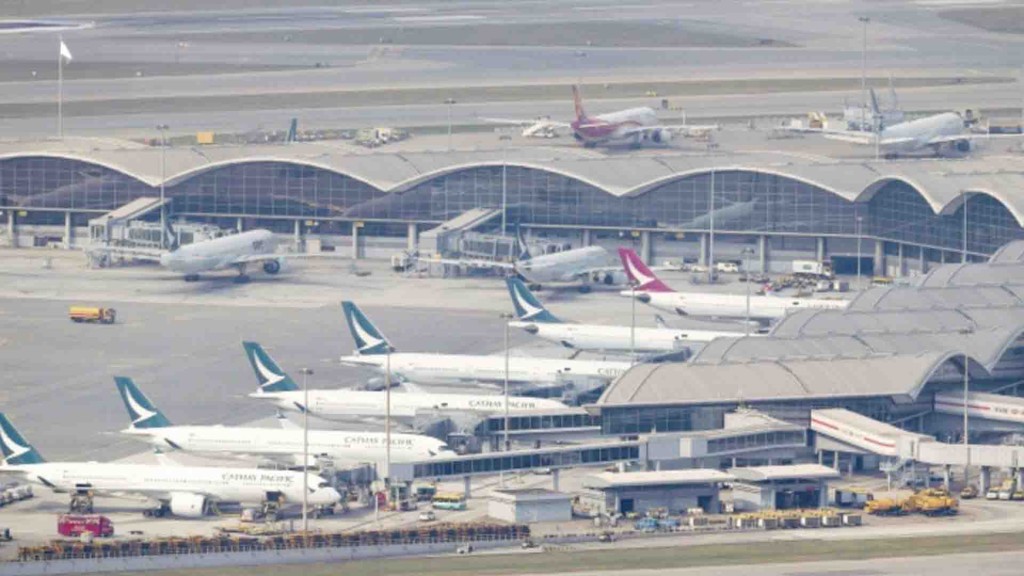
That's unless they return to the SAR or follow Meng Wanzhou's example and transit in airports where friendly local governments were prepared to execute the arrest warrants.
In Meng's case, the former Huawei top executive wanted by the US was unaware that the Canadian police had been expecting her at the airport in Vancouver.
Had she known that, she would have skipped the transit stop or taken an alternative route to avoid stops in countries that were ready to act at the request of the US.
Chief superintendent of the national security police Steve Li Kwai-wah was angry at a media suggestion that they were merely putting on a show since the countries where the eight live would not detain and hand them back to the SAR despite the law's extraterritorial design.
I don't think it was a show either as I have no doubt that anyone on the wanted list would be arrested if they set foot in Hong Kong or places where the local governments are prepared to cooperate with Beijing.
But they would unlikely repeat Meng's mistake in light of the extremely high publicity given to the warrants and bounties announced yesterday.
It is more likely that the strong words were spoken for the ears not only of the eight but also others who have continued to criticize the SAR and Beijing since leaving Hong Kong for places including Taiwan and Germany in addition to countries mentioned earlier in this column.
A number of critics are currently in Taiwan, awaiting permanent residency.
The tough words may also be reassuring to patriotic ears in the SAR and Beijing, showing that the SAR is making steady progress in stamping out any remaining opposition that threatens national security.
After arresting a number of local activists accused of violating the national security law, authorities are at least seen to have stepped up the hunt beyond the international border.
If the first three years were marked by a crackdown on opposition within the SAR, the continuing work could be an enhanced form of psychological warfare to let the extraterritorial effect of the law be felt by critics who have gone overseas.