Read More








But what is less certain is whether they can get one in a country that has experienced at least two military coups in the past two decades.
All 500 seats in the lower house of parliament were up for grabs in Sunday's votes that saw a record turnout of over 75 percent.
Eyes are now turned to the nation's army generals. What will they do in light of the election setbacks suffered by the parties they backed?
The role of the monarch could be instrumental. Even though the role of the king is generally regarded as ceremonial, his backing could provide legitimacy to a military coup in a country where the people are traditionally highly respectful of the monarch.The election outcome has landed the country of geopolitical significance in Southeast Asia in a delicate state of interactive politics.
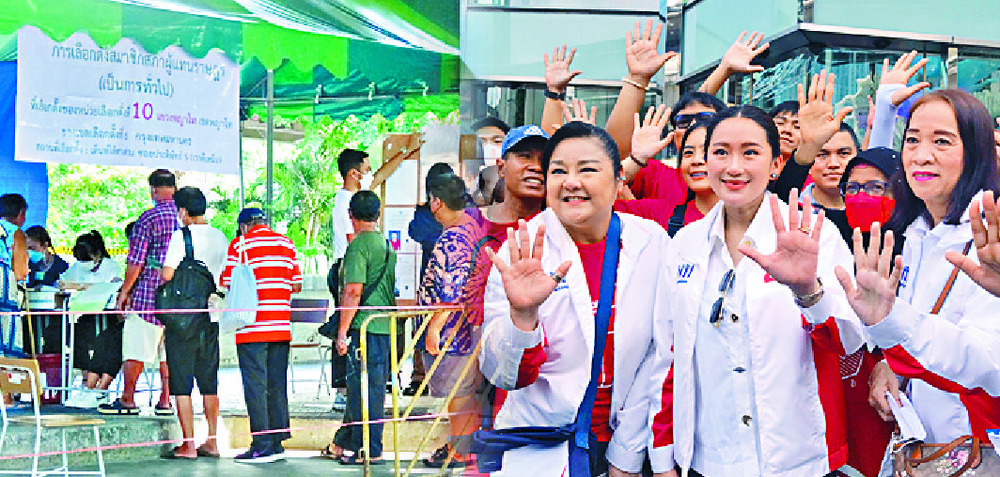
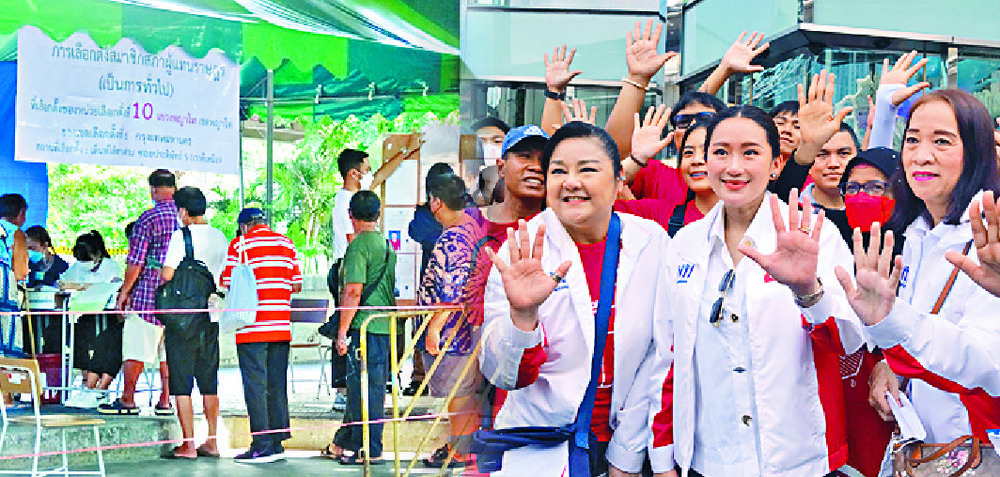
The message that opposition leader Pita Limjaroenrat immediately issued to the senate was self explanatory: "It is time for the 250 senators to think and decide their stance, whether they would listen to the people's wish. If they care about the people, there will be no problem."According to Thailand's election commission, the two biggest opposition parties - Move Forward Party and Pheu Thai - have secured more than 290 seats.
Move Forward, led by Pita, has won 151 seats to become the largest opposition party after the election.Pheu Thai, fronted by former prime minister Thaksin Shinawatra's daughter Paetongtarn, won 141 seats to become the second-largest opposition force.
But they need 376 seats in the lower house to choose a prime minister themselves without seeking consent from the military-appointed senate.Pita has begun forming a coalition government that, in addition to his party and Pheu Thai, would also include other small opposition parties to raise the number of coalition seats to 309 in the 500-member lower house.
If the military-backed senate agrees to their choice or the king opposes a fresh coup so soon after the votes, the 42-year-old Pita would likely become the new prime minister of Thailand.Pita, a Harvard-educated businessman, is reported to have won followers who were formerly supporters of the red and yellow-shirt camps, as well as urban and young voters.
Yet he is also the last candidate the military would like to see become prime minister in light of his "anti-dictator-backed, military-backed parties" election slogans.Following the counting of the votes, the country has entered a new phase of politics. Will it be able to emerge from the balance with a new government that the people have voted for?
Let us stay tuned.