Read More
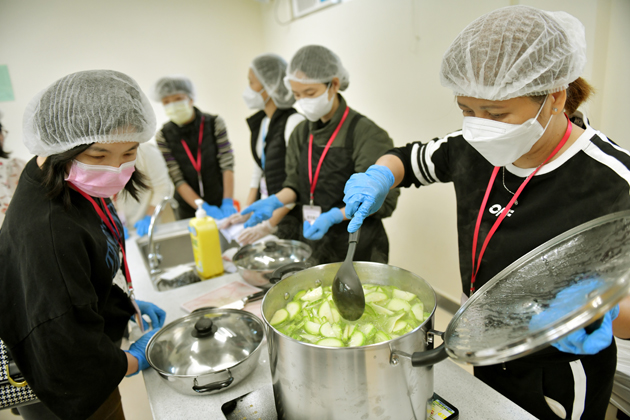
The scare linked to school lunch supplier Luncheon Star has raised many questions that have yet to be satisfactorily answered.
ADVERTISEMENT
SCROLL TO CONTINUE WITH CONTENT
It is unbelievable that, of the 100,000 students at more than 200 schools to which Luncheon Star has been supplying lunchboxes, only three pupils from one school in Tuen Mun have reported falling sick so far after eating the meals.
If the fi gure is complete, with no one else missing in the reported count, three in 100,000 is too small to be statistically important for drawing any meaningful conclusion.
Also, if the issues were limited to a particular batch of shipment delivered to the Tuen Mun school, more than three pupils would have been expected to have fallen sick.
The case was likely an isolated incident, with the exact cause yet to be determined.
The Food and Environmental Hygiene Department is conducting a probe into the incident, and parents and school managements should have a better idea of what might have happened after the department releases the fi ndings.
Has the scare been overblown by lawmakers and social media amid a scramble to grab topical issues in an environment that has become less exciting?
Lawmakers and social-media bloggers may have fueled the fear, but the management of Cafe de Coral, which owns Luncheon Star, is also partly responsible for helping to heighten the scare.
Their unexpected announcement that Luncheon Star would stop supplying lunches to schools yesterday and today took most of the 200-plus schools off -guard as they did not come across issues similar to that reported by the school in Tuen Mun.
The announcement immediately created a sense of crisis in the schools and society.
The incident must have thrown the top management of Luncheon Star’s owner into crisis mode. Their swift decision to shut down food-making factories to make way for deep cleaning was a standard crisis management response.
While the shutdown was aimed at stopping the incident from spreading, senior executives also wished to reassure clients they were committed to a very high standard of hygiene.
But there is no perfect solution. As they closed the facilities and suspended lunch supplies to schools, they inevitably generated a sense of doubt over the hygiene situation at those facilities despite it being their wish to prove the contrary.
Only the fi ndings of the Food and Environmental Hygiene Department will clear the mystery.
Perhaps the most problematic response of all that we have seen in the whole saga was the one from the Education Bureau.
In a statement, it said schools aff ected by the lunchsupply suspension could switch to half-day sessions for in-person classes as a last resort for the two days.
Although this was meant to be a last resort, it was an overreaction totally out of proportion.
We’re only talking about two days’ suspension – this could be readily overcome by parents preparing packed lunches for their children.