Read More

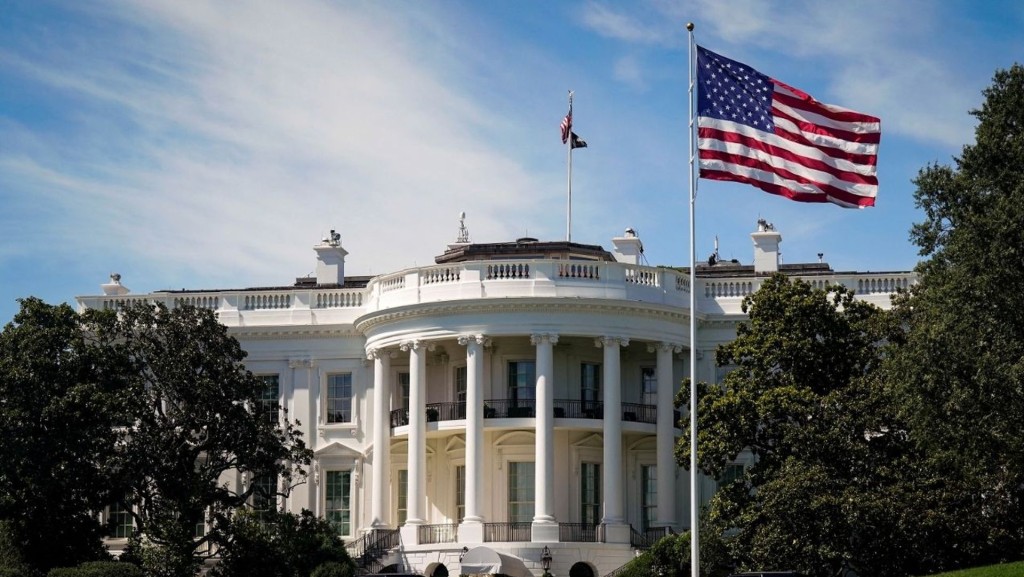


Having shut down its casinos since July 11, will Macau allow the gaming sector to reopen this Saturday as Chief Executive Ho Iat-seng is set to ease what has probably been the strictest round of lockdowns there?
A government statement said some essential businesses and premises will reopen on July 23.
The statement stopped short of mentioning casinos in particular, although it is believed they will be allowed to open up as well.
In the general sense of what is meant by "essential," the gaming sector is undoubtedly the most essential of all in Macau.
It accounts not just for billions of dollars in tax revenues for the government but also residents' rice bowls as most are employed directly or indirectly by the gaming resorts.
The shutdown of all the casinos - the first time in more than two years - is driving many people into a corner. Their Shanghai peers know that first hand too.
Macau has been able to report fewer daily infection cases after ordering every resident to isolate at home unless they have to make essential trips.
The case pattern that Macau is experiencing is similar to that which people here and elsewhere have already gone through - a steep surge in the beginning to peak after a certain period, followed by a steep decline and a gradual rebound to fluctuate at a relatively low level.
Nowhere, including Shanghai, has truly achieved the "zero" goal.
Societies are facing a cycle. Most places have decided to let life return to normal as much as possible as their citizens try to face up to Covid and its continuously changing variants.
Others are sticking to the remedy of lockdowns.
It's predictable that, after Macau's chief executive gave the green light to begin easing local lockdowns that arguably may be even stricter than those currently practiced in some mainland cities, the number of cases will start picking up at some point.
If Macau's current zero-Covid policy is to remain as it is, it's more likely than not that it will come under new pressure to reimpose lockdowns in the near future.
A number of mainland cities, for example, have reimposed localized lockdowns after easing restrictions.
The question is: when is that going to end?
Figures are useful as a reference but they alone should not be viewed as cause for alarm.
As Hong Kong moves along the course towards normal living, Macau's plight may serve as a reference.
Not that Hong Kong should follow its strategy but, instead, see it as an example to avoid.
Recently, some experts in Hong Kong have put forward alternative proposals on how it may chart its way with a view to emerging from the pandemic.
While consensus will unlikely be reached any time soon, they provide a general direction for the way forward.
What Hong Kong needs now is a roadmap to exit from the vicious cycle of outbreaks and lockdowns.