Read More



At face value, what's happening appears to be a continuation of the #MeToo movement a few years ago that drew a harsh crackdown on the movement from authorities after many women came out to say they had been victims of sexual harassment.
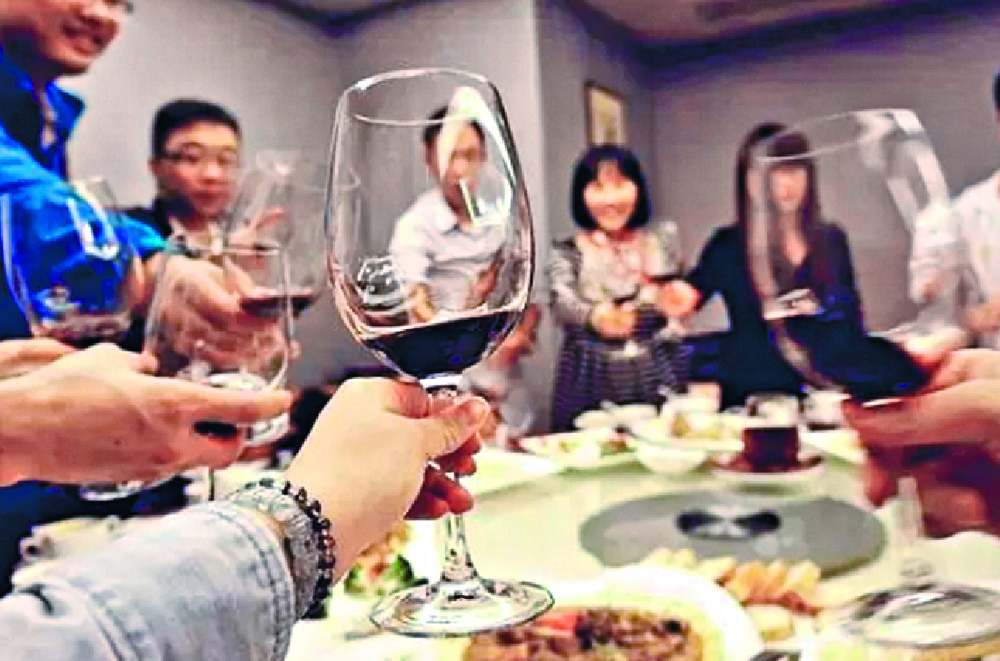
Last Saturday, the Alibaba employee resorted to social media to charge that her supervisor had forced her to drink with a client and that she was sexually assaulted.
Under pressure, the executive concerned was sacked and two senior management members had to resign for failing to act on the complaint.
Public reactions to the incident were spontaneous. Maybe that's because sexual harassment in work places is widespread in the mainland, where female employees are often asked to drink with clients.It is clear that, as companies chase revenue growth, they are failing to modernize internal monitoring.
In the East, the corporate culture expects junior staff in Japanese, Korean or Chinese companies, for example, to strictly obey instructions from seniors.There may be governance regulations, but in name only.
This looks like a universal vice. In New York, Andrew Cuomo resigned as governor amid mounting sexual-harassment claims against him.During the US presidential election, Joe Biden also faced sexual-harassment allegations, while Donald Trump's history is riddled with similar controversies.
But in the West, the victims are more prepared to speak up.After its share price suffered, Alibaba is trying to calm the storm by allowing staff to refuse to drink with clients.
Nonetheless, the issue will unlikely stop there.A subsidiary of People's Daily raised the matter to a new level, saying no companies are too big to collapse and billionaires cannot control everything.
It made the accusation that someone might have tried to control public opinion in light of the fact that it had taken 10 days for the issue to become the most-searched topic.This was echoed by other media in the mainland, which accused Alibaba of trying to use its industry position to influence public opinion - something the authority will not allow.
Similar rhetoric surrounded Wu's case, with People's Daily, Xinhua and CCTV denouncing what is known as the "fans' culture" that helped to spur the 140 billion yuan (HK$168 billion) idol market. As far as the central government sees it, behind Wu's case was also a corporate force trying to influence public opinion.Contrary to the last #MeToo movement, neither case has been censored this time.