Read More


Defying the demographic cliff: restoring hope
06-10-2026 04:56 HKT

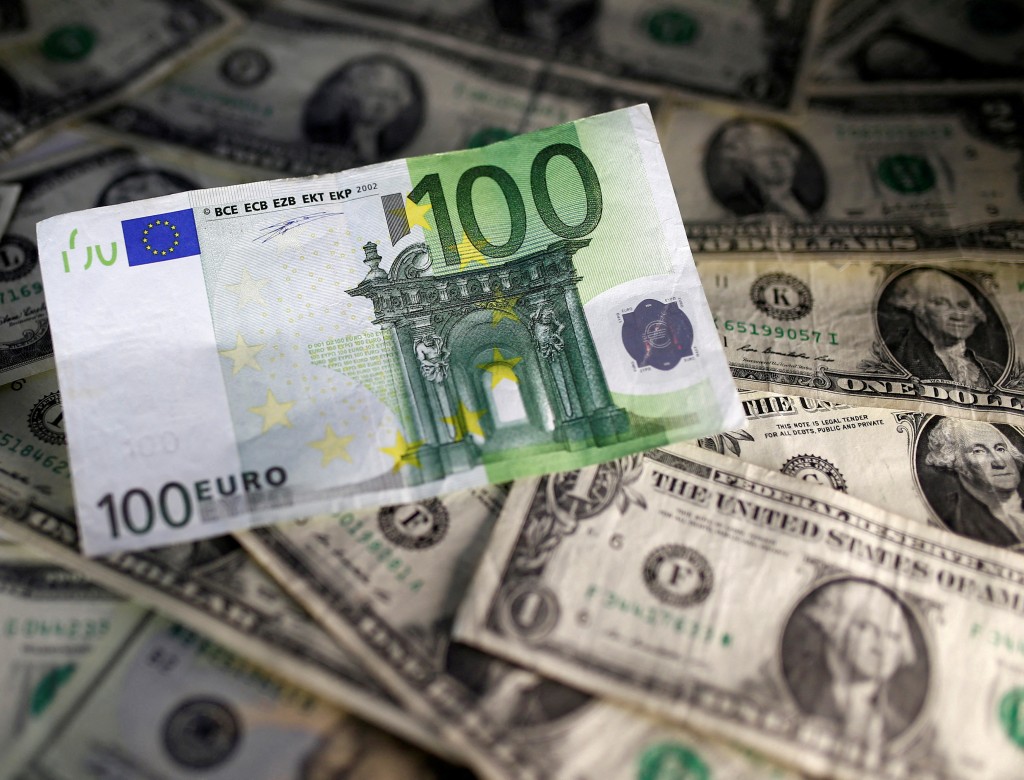
Euro sinks to 17-month low as French fiscal woes spur contagion fears
05-10-2026 14:53 HKT
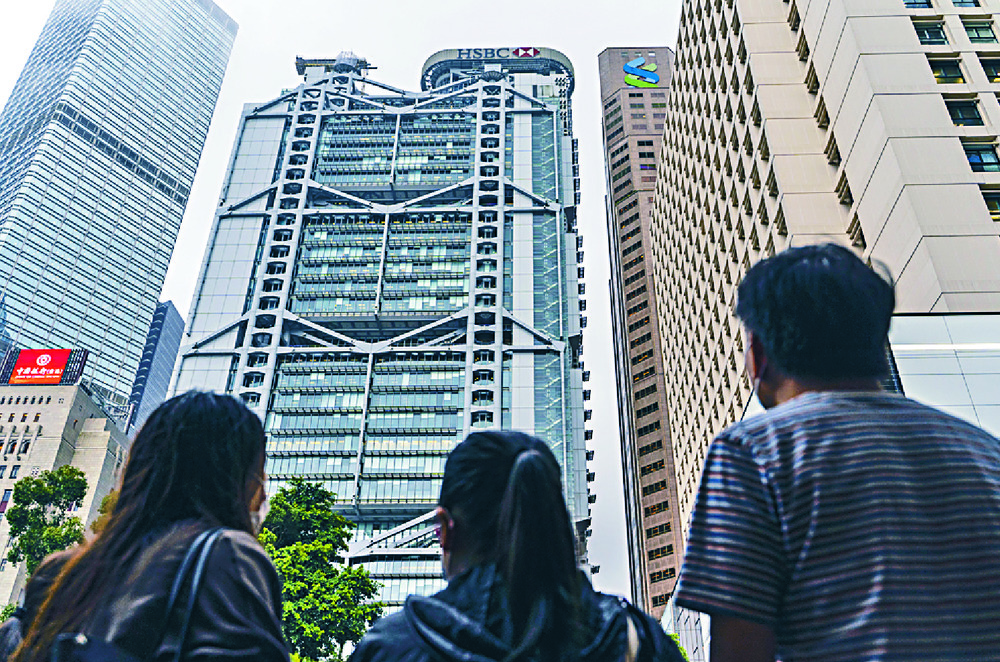
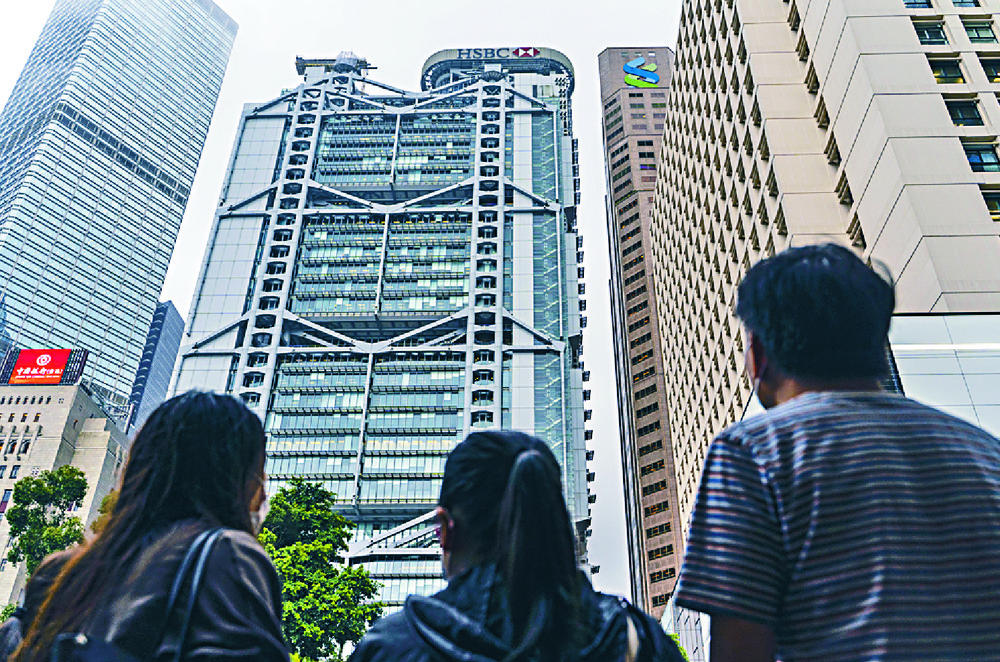
Like market analyst Agnes Wu Man-ching, who would not be both disappointed and surprised by what has happened to this Hong Kong icon over these years? If the bank finds itself trapped in a tunnel, I fear it will not see the light anytime soon.
A friend of mine ignored my advice and invested half a million dollars in HSBC early this year, attracted by the bank's dividend policy and some kind of mysterious confidence in its brand.
But it seems many people have failed to notice that things have changed.
Of course, HSBC's decision a few months ago to stop paying dividends at least until year end was disappointing. Its inability to buy back its own shares to render support has also put its share price under pressure.Worse still, the run of bad luck has not ended with the double whammy, as yesterday's crash was precipitated by bad news beyond its control.
Reports in the western media of alleged illicit funds and suspicious transfers again put HSBC at the center of a fresh wave of scandals that also involved many of its peers, including Barclays and Standard Chartered.Thousands of documents of potentially corrupt transactions red flagged to the US Department of Treasury's Financial Crime Enforcement Network were leaked to an international group of investigative journalists. They show how about US$2 trillion (HK$15.6 trillion) of probably corrupt money was washed through the US financial system.
If this was the focus of the western media, to the east in Hong Kong came the breaking news that HSBC was in danger of being included in Beijing's retaliatory list in the name of "unreliable entities."Beijing's Commerce Ministry rehashed this old news at the weekend, referring to its "list of unreliable entities" proposed in May.
Though the ministry's update did not name any firms or individuals in particular, state media Global Times mentioned HSBC along with other probable candidates.So is Beijing going to crack down on HSBC in retaliation for the US clampdown on WeChat and TikTok, as well as London taking the side of the US? It's anyone's guess.
HSBC had long been celebrated for having the best of both worlds due to its mixed DNA between the west and east, drawing the lion's share of its revenues from Hong Kong and mainland China. That was back in its heyday when China and the US maintained stable a relationship.Now that the two largest economies have become enemies, the blessing of the two worlds instantly reverses to become a curse, forcing HSBC to choose only one of them. But HSBC does not have the luxury of the freedom to choose because it was born mixed.
Without surgery, it cannot split its body into two halves. But such surgery could prove deadly.