Read More








This is the moral downside of a scheme intended to bail companies out of financial troubles during the pandemic.
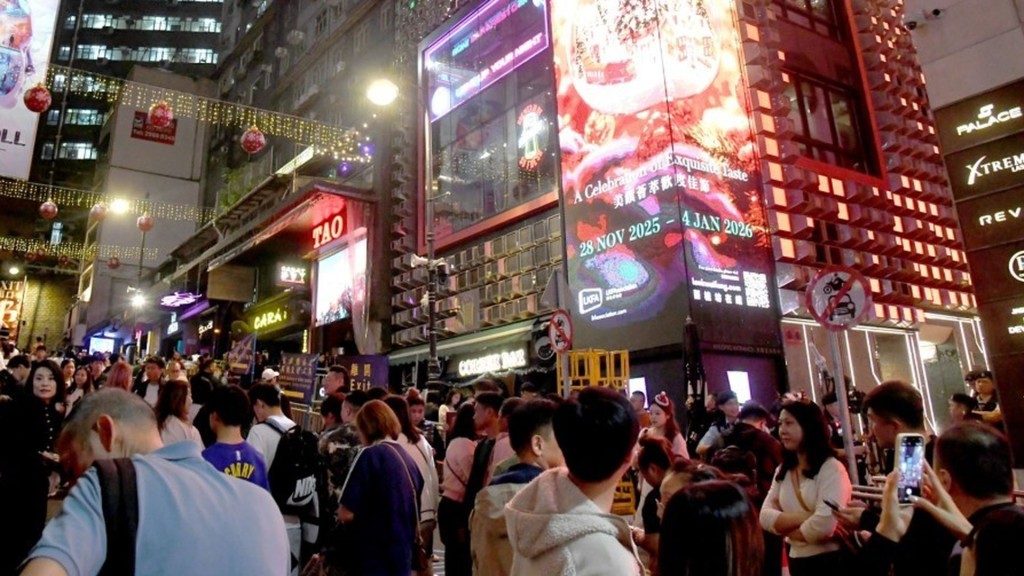
Their stores were packed with customers every time social distancing was tightened. Neither company is separately listed in Hong Kong, but a reliable reference can be found in Walmart's second quarter result which showed a 97 percent jump in sales thanks to the purchase of food and general merchandise by Covid-19 beleaguered consumers in the US.
This is an improvement from before when similar subsidies were handed out more like a windfall for private hospitals and real estate agents, among others.
As usual, the third winners' list was announced by Labour and Welfare Secretary Law Chi-kwong. Also as usual, Chief Executive Carrie Lam Cheng Yuet-ngor jumped the gun to disclose ahead of Law the best part of the package - not the list of recipients, but the new conditions attached to the subsidies.Instantly, all the credit flew in Lam's direction.
Unmistakably, it made good sense to ask the supermarkets to provide discounts to customers, especially low-income earners. In contrast to giving cash direct to the public, this is more efficient as it involves less administrative inconvenience.That said, Law must ensure that the supermarkets do not mark up product prices only to reduce them in the form of "discounts" later.
Otherwise, a generous relief package could easily evolve into a scandal - and Law will have to share the blame.Has he obtained advance undertakings from Wellcome and ParknShop, as well as the large property management companies, to follow through honestly without applying these common marketing tricks?
If not, he had better act fast.Prior to the announcement, Financial Secretary Paul Chan Mo-po updated his blog to provide an alarming picture of the SAR's financial reserves.
After so many rounds of pandemic-related bailouts, the city's reserves have fallen from HK$1.1 trillion to HK$800 billion.That is true cause for concern, yet it is still at a safe level to meet commitments to various expensive capital projects.
As financial chief, Chan is duty-bound to be fiscally prudent in the midst of massive economic uncertainty.Nevertheless, prudence should not become a reason for inaction when more and more people are in real danger of losing their jobs. It is no exaggeration to say that many employers in the catering sector, for example, could soon go bust if dining curbs are further extended.
A key issue is that, after spending HK$300 billion in direct and indirect pandemic assistance, Law and his colleagues will have to spend the money in future smartly, directing help to those who need it most. Keep spending to help those truly in need - but do it smartly.