Read More




HSBC may no longer be the household name that overwhelmed popular financial analyst Agnes Wu Man-ching to tears when it hit the floor in 2009. Yet, its single-day dive by almost 10 percent yesterday still raised many eyebrows.
HSBC's last loyalists must be extremely disappointed upon learning that their favorite dividend play has canceled not only share buybacks from the market that have helped to back the share price, but also all outstanding dividends due to be made soon.
And there won't be any new dividends for 2020.
The bad news forced the former elephant to its knees yesterday, knocking the price down by a huge of 9.5 percent to HK$39.95 a share - the lowest since March 2009.
It couldn't have been a more sombre moment.
HSBC is semi-British in essence. First, the bank earns substantial revenues in Asia, particularly the SAR. Second, although US global investment company BlackRock was the biggest shareholder at one stage, it has been overtaken by China's Ping An Insurance.
However, its British domicile leaves the bank open to instructions from the Bank of England's Prudential Regulation Authority.
In concert with US efforts to stem tonnes of pandemic bailouts from flowing to places that they shouldn't, the PRA has ordered companies, including HSBC and Standard Chartered, to scrap dividends and, among other things, cash payouts for top executives to avoid repeating mistakes from the last major rescue exercise during the financial tsunamis.
At that time, money lenders used rescue money to buy back shares instead of releasing it to save main-street companies.
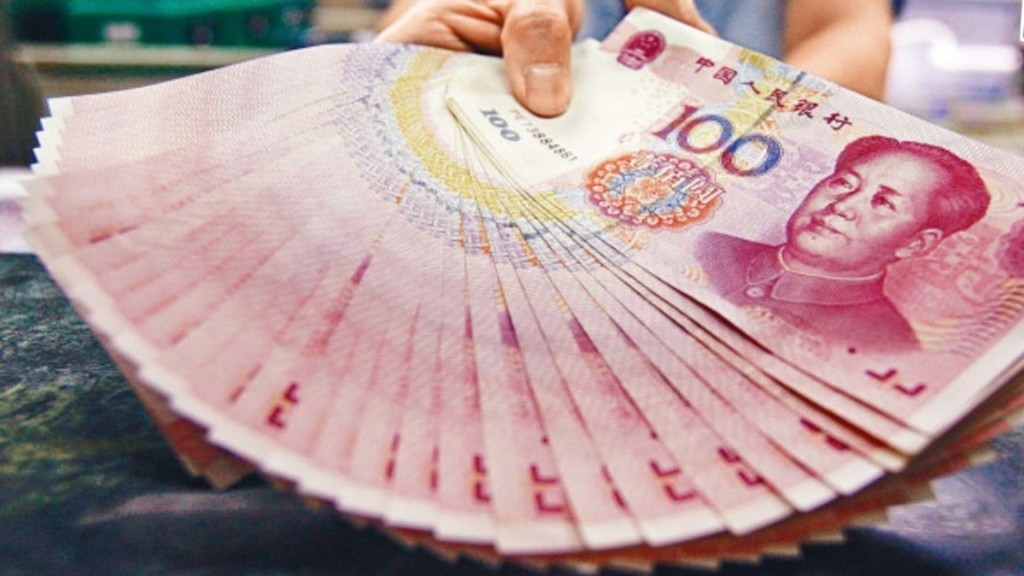
Clearly, regulators in Britain and elsewhere have learned from past mistakes and hope the huge amount of banknotes being printed through open-ended quantitative easing will flow where policymakers want it to flow.
The limits on how a domiciled lender may use the money could turn out to be a deep-sea bomb for HSBC.
Laid bare before investors are questions that senior management must answer quickly to put to rest damaging speculation.
To start with, will its long-standing policy of paying dividends at an attractive rate change for good even after the coronavirus pandemic? It is a relevant concern when people have started talking about the prospect of a new normal kicking in to replace the old normal for the economy.
It's worth bearing in mind that some popular stocks in Hong Kong, such as Henderson Land Development and Towngas, are reducing their long-standing practice of paying dividends in the form of bonus shares. The impact of the pandemic has been instant, forcing all companies to tighten their belts.
Second, how will the global trend of near-zero interest rates affect the outlook of HSBC and the remainder of the banking sector in light of a narrowing in interest rate differential?
Third, is it in investors' interests to know if HSBC will relocate its domicile to Asia to gain greater freedom?
I am apprehensive that HSBC may seek to raise capital by issuing new rights to existing shareholders as it did in 2009.
I firmly hope it will not.