Hongkongers are justifiably proud of their Cantonese cuisine - or yue cai.
ADVERTISEMENT
SCROLL TO CONTINUE WITH CONTENT
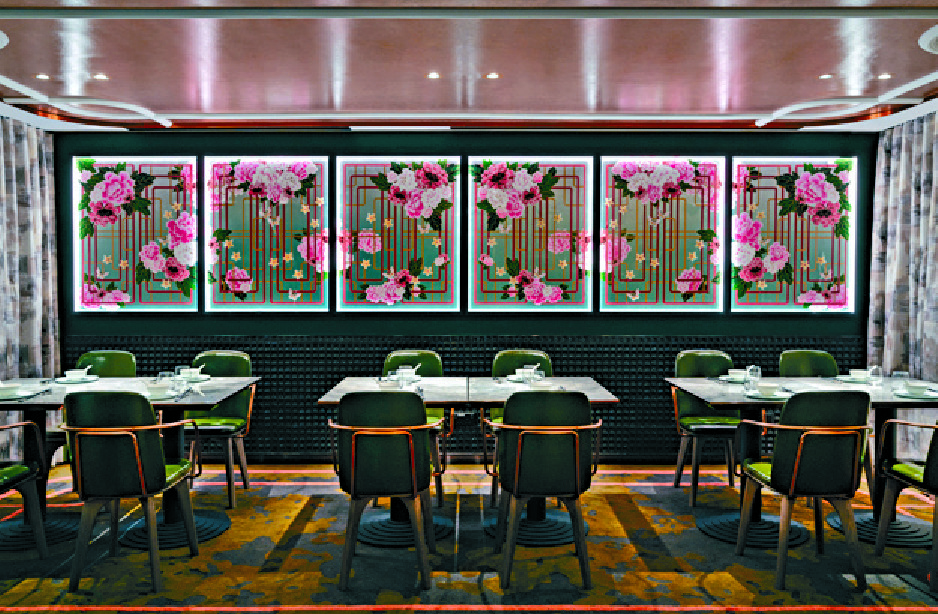
And you can't talk about the cuisine without mentioning Yung Kee. Having originated as a street-side dai pai dong in 1936, it is now one of the most famous Cantonese restaurants in the city. It has recently reopened with a new interior design dedicated to presenting its legacy and culinary history to a new generation of diners.
William Lim, the architect who renovated Yung Kee, said: "Through preserving and highlighting the restaurant's historical and cultural treasures, we wanted to first remind our customers of their precious memories at Yung Kee over the last 80 years, and also to reignite the excitement for Cantonese dining among the younger generation through the new design features."
The menu has been tweaked but the signature charcoal-roasted goose (HK$800 for a whole goose) is a constant. Purebred Black Mane Chinese goose is roasted in a traditional grill to bring out its flavor and texture. The goose can also be ordered "pipa style" (HK$1,280).
Other traditional dishes have been reimagined.
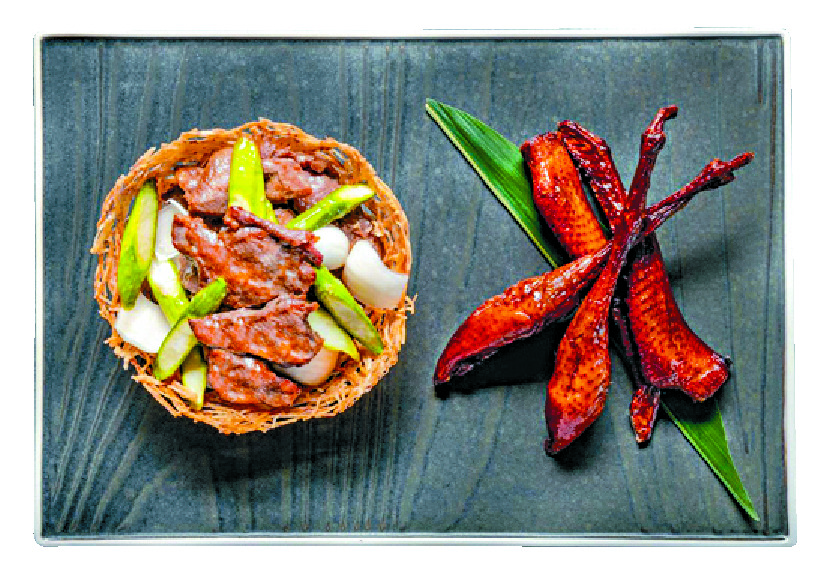
Among them are roasted pigeon legs and stir-fried pigeon fillet (HK$380), cooked in different methods for the best taste, as well as crispy toast with mixed shrimp and lobster tail (HK$200), elevated through the use of lobster and sakura shrimp.
Yvonne Kam, the third-generation co-owner and chief financial officer of Yung Kee, said: "My grandfather started Yung Kee as a dai pai dong and had always urged us to never forget our roots.
"We've always believed that everyone is entitled to good food, so in 1964 we were the first to introduce lunch boxes of rice topped with roast goose and other barbecued meals to workers in Central. Everyone sat at communal tables and people can still enjoy that to this day."
Another restaurant intent on preserving history is Luxe Garden Chinese Cuisine. The restaurant may be new but its staff and partners have been working together for 20 years. "We set up this restaurant in hopes of providing customers with nostalgic and creative dishes and dim sum," said chief executive Po Kee.
Its menu is a mix of innovation and nostalgia. More traditional dishes include tiger prawn toast (HK$68), pan-fried dumplings with oyster filling (HK$188), crispy fried whole chicken (HK$420), mushroom and bamboo shoot lamb stew (HK$398) and salt-baked virgin crab (HK$248).
Customers looking for more creative dishes could try the sauteed sakura obi with sweet pomelo peel (HK$128), or pan-fried prawn with soy sauce (HK$280) served with rice roll noodles.
Creativity gets free rein when it comes to the dim sum. Among them are penguin-shaped red bean paste bun (HK$50), lychee-shaped custard-filled rice ball (HK$44), tai chi-style shrimp dumplings (HK$52) and crab-shaped shrimp dumplings (HK$48/2pc).
Ming Court also seeks to bring back the taste of local heritage. Its new menu, available until December 16, uses locally sourced produce to support local communities as well as promote sustainable dining.
Said executive chef Li Yuet-faat: "By using various locally grown ingredients in our specialties, we hope we can support the fishery and agriculture industry to reveal Hong Kong's unique fishing-port culture."
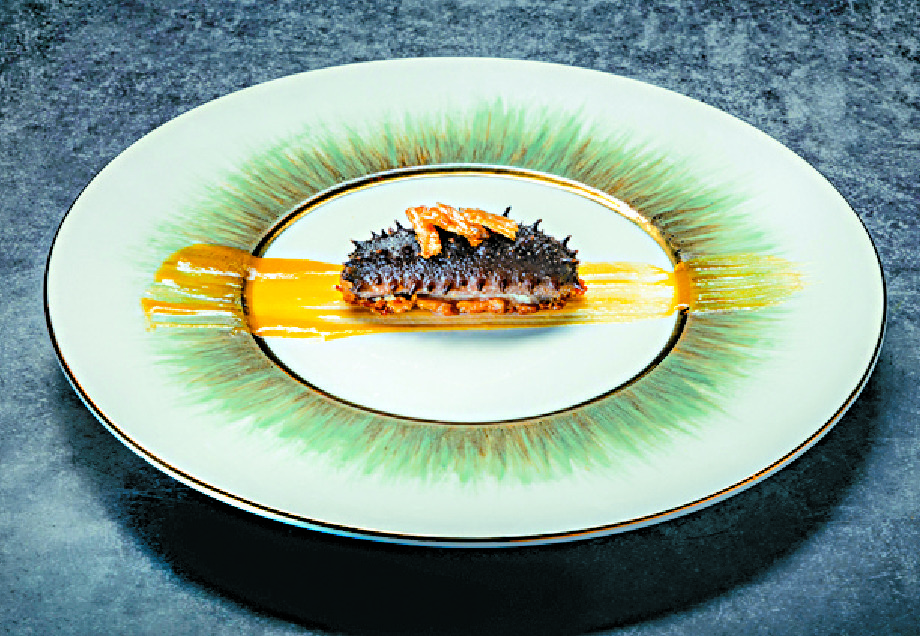
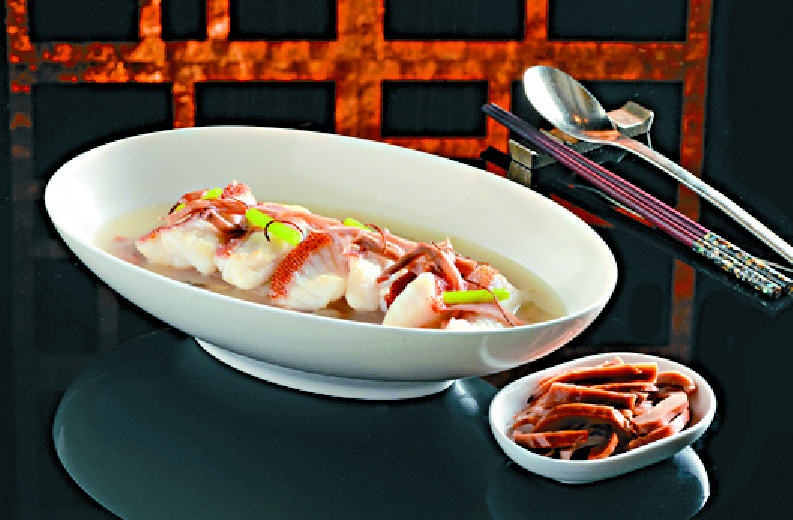
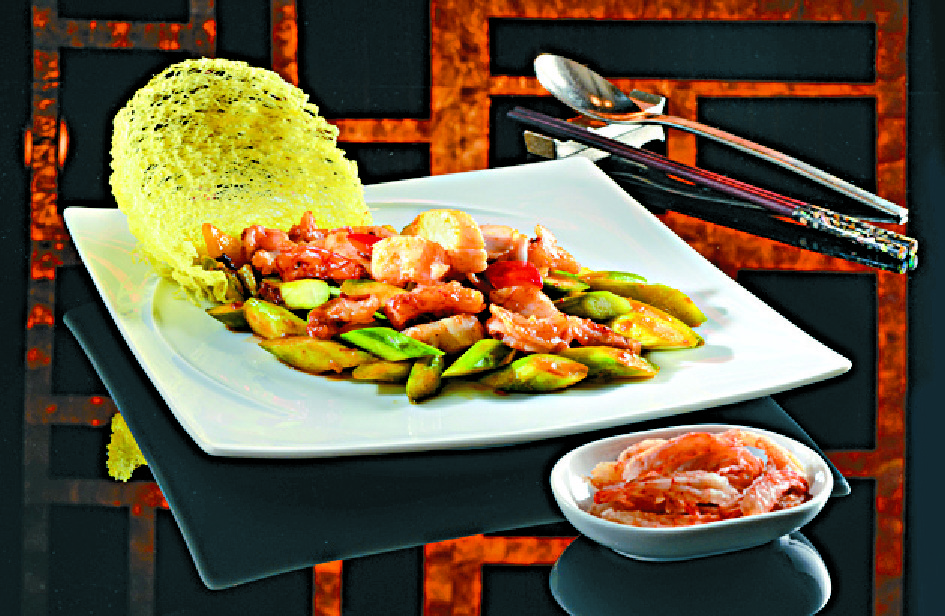
The sliced abalone with scallop, prawn and dried tiger prawn (HK$438) was inspired by fishing nets. Using ingredients from Lamma Island, Li sautes the seafood with asparagus and homemade XO sauce.
For the baked Ping Yuen chicken (HK$328), poultry raised in Fan Ling is marinated in fresh galangal, which has a better taste and aroma than ready-made galangal powder.
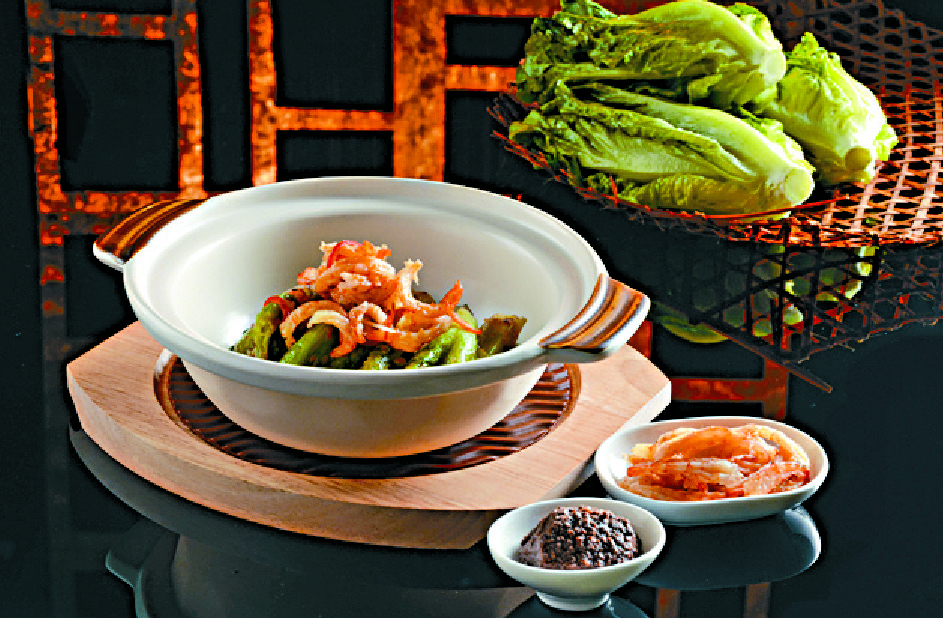
Don't miss out on the Chinese lettuce braised in a clay pot (HK$268). Whole dried shrimp and Chinese lettuce is braised with mouth-watering shrimp paste to create a long-lasting flavor.