Read More
Financial Secretary Paul Chan Mo-po said Hong Kong could seize the "first-mover advantage" in new fields such as artificial intelligence and life sciences.
ADVERTISEMENT
SCROLL TO CONTINUE WITH CONTENT
Chan's call comes as government-owned fund Hong Kong Investment Corp is poised to sign a strategic agreement with BioMap, a startup that offers AI models for the life sciences industry.
Writing in his official blog yesterday, Chan said the signing would be held at the inaugural Bio-Computing Innovation Summit in Hong Kong today, where global academic experts and industry representatives will discuss developments.
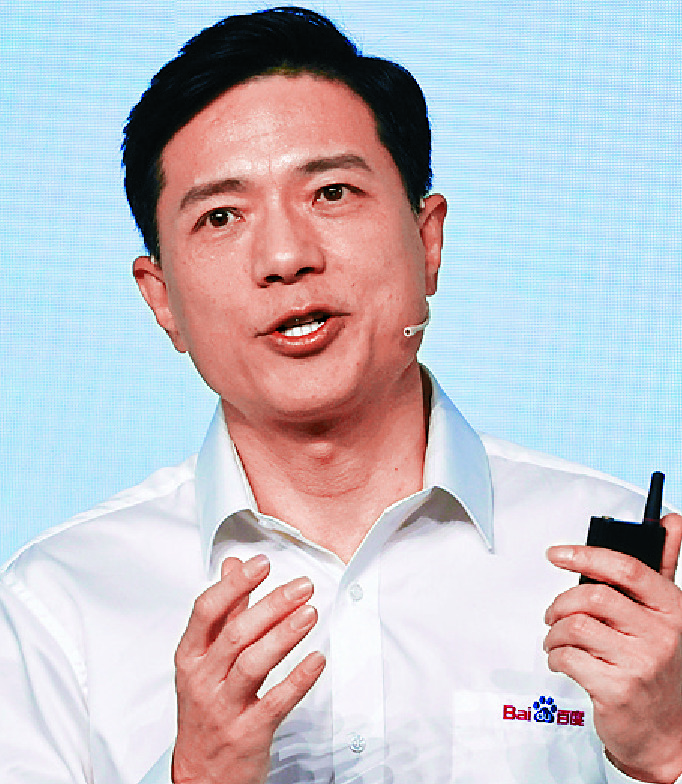
The US-based BioMap, which counts China's internet search giant Baidu founder Robin Li Yanhong as founder and chairman, is expected to set up its first bio-computing innovation center in Hong Kong, Chan said
The company's AI models, he added, will help accelerate bio-computing-related research in areas like medical and health, green technology and industrial innovation.
Chan said BioMap would provide more job opportunities.
Established in 2020, BioMap has been building xTrimo, a protein-centric large language model platform.
It entered a US$1 billion (HK$7.8 billion) collaboration agreement with pharmaceutical giant Sanofi last year.
This will be the second strategic partner announced by the HKIC in less than two weeks after the government fund, which manages HK$62 billion, revealed its inaugural investment in local AI startup SmartMore on June 12.
BioMap is also among the second batch of 19 key enterprises that have been convinced by the Hong Kong government to set up or expand their operations in the city, according to announcements earlier in March.
Chief Executive John Lee Ka-qiu revealed the creation of HKIC and a dedicated office to attract mainland and overseas strategic enterprises in his maiden policy address in 2022.
Clara Chan Ka-chai, HKIC chief executive, has said the fund will hold themed events to showcase its progress, with this month's focus being AI and upcoming events on biotechnology and new energy in July and August, respectively.
HKIC, modeled in part on Singapore' Temasek, manages funds that include a HK$30 billion coinvestment fund, also unveiled in 2022. HKIC is also responsible for managing a separate fund with money coming from the new Capital Investment Entrant Scheme launched in March.
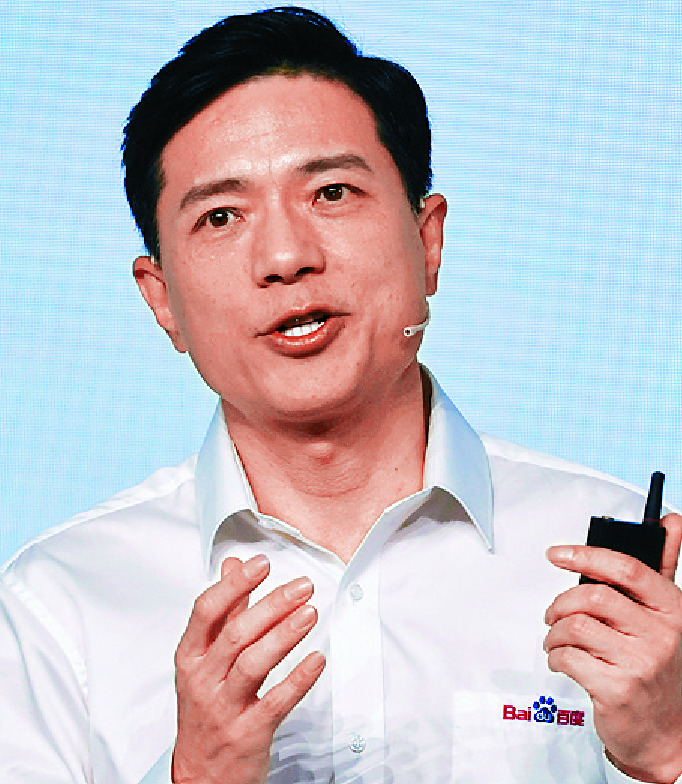
Robin Li