Read More
Inbound travelers who are sick at border checkpoints must be screened as part of stepped-up anti-epidemic efforts and to prepare for outbreaks, four University of Hong Kong experts say.
ADVERTISEMENT
SCROLL TO CONTINUE WITH CONTENT
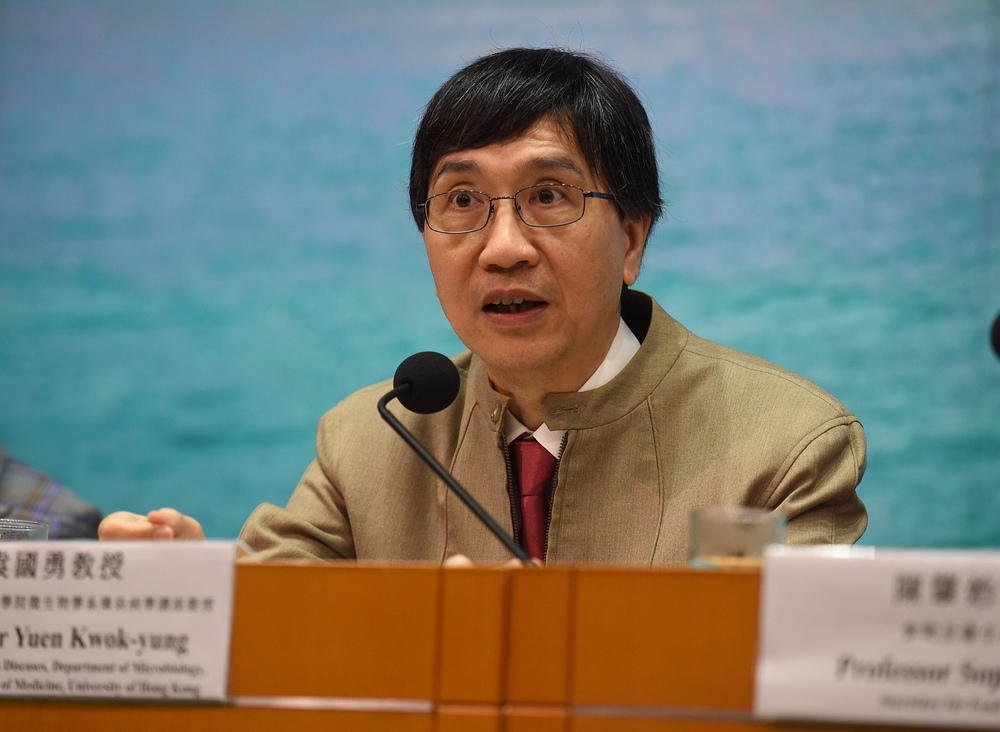
Infectious diseases expert Ivan Hung Fan-ngai and microbiologists Yuen Kwok-yung, David Lung and Kelvin Chiu Hei-Yeung said authorities should enhance the detection of new infectious diseases and curb their transmission before massive outbreaks.
And swab tests should be conducted for arrivals having a fever to find out which pathogens they have contracted.
"Hong Kong's strategic plan to combat epidemics should aim to minimize the chance of lockdowns and suspension of work, schools and the stock market," the four said in a Chinese newspaper article.
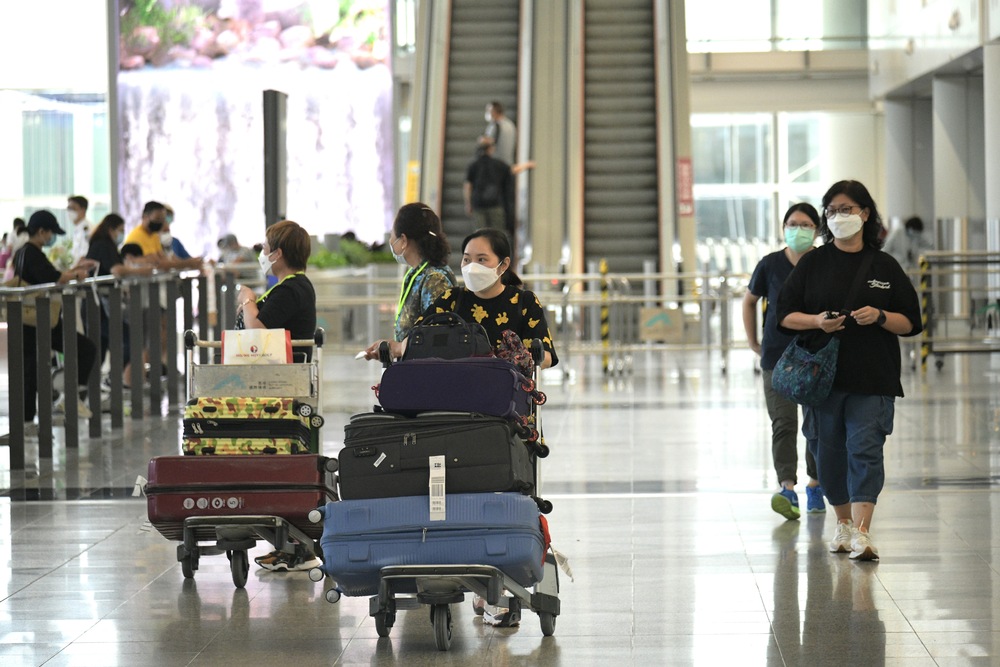
They said it cannot be forecast when the SAR is hit by another major pandemic, so Hong Kong should stay vigilant against imported infections even when the Covid-19 pandemic is over.
"We should strictly screen inbound travelers who are sick or have a fever, prepare testing materials at border checkpoints and make it a regular practice to conduct swab tests for them to find out the source of infection," they said. "Travelers should also wear masks at all times and accept contact tracing. Such an arrangement should also be allowed to expand to any suspected virus-hit areas, and there should be fewer exemptions at the border to prevent infectious cases from entering Hong Kong."
The four said too that SAR authorities should pay extra attention to arrivals from Africa and the Middle East, which have constant outbreaks of the Ebola virus and Middle East Respiratory Syndrome.
They also urged health authorities to improve medical facilities so that the SAR will be able to act quickly whenever a new infectious disease hits Hong Kong.
Public hospital wards should be "compartmentalized" with better ventilation and large distance among hospital beds, they said.
"Under major pandemics there are patients all across Hong Kong, and patients may not seek help from public hospitals only.
"Many asymptomatic patients would visit private hospitals, so the private sector cannot distance itself from the situation," they added in urging private hospitals to upgrade their facilities as well.
Yuen said separately yesterday that Hongkongers do not have to worry about the mycoplasma pneumonia outbreaks in the mainland as it is not a new disease.
He noted that the outbreak began in April and the University of Hong Kong-Shenzhen Hospital alone recorded nearly 1,000 cases last month. But most cases in Hong Kong are mild and can be cured, he added.
Mycoplasma pneumonia bacterium has an incubation period of two to three weeks, and residual bacteria will remain in patients for seven weeks after they are cured, Yuen said, so an outbreak will rise and fall slowly.
Meanwhile, legislators Elizabeth Quat Pei-fan and Edward Leung Hei, from the Democratic Alliance for the Betterment and Progress of Hong Kong, have urged the administration to attach greater importance to respiratory infections among Hongkongers as more people will have gatherings or travel overseas during Christmas.
In a letter to the Legislative Council panel on health services yesterday, the two appealed to the officials to roll out measures against increasing respiratory infections and formulate plans to ease the pressure faced by the medical system.
wallis.wang@singtaonewscorp.com
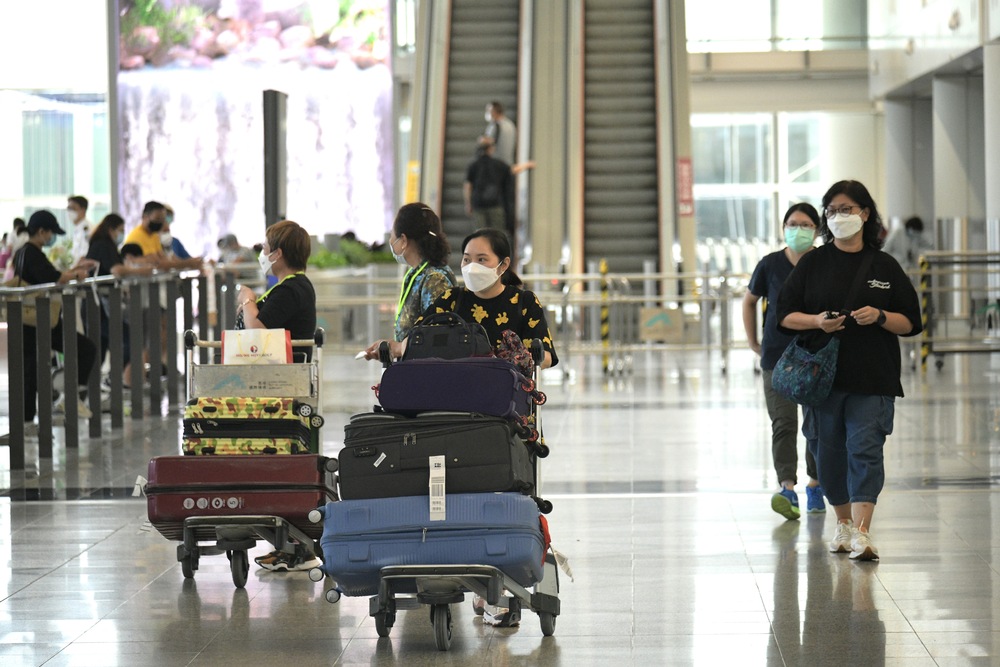
Hong Kong should stay vigilant against imported infections even when the Covid-19 pandemic is over, according to Yuen Kwok-yung, inset, and other experts.