Read More


Morning Recap - October 12, 2026
5 hours ago
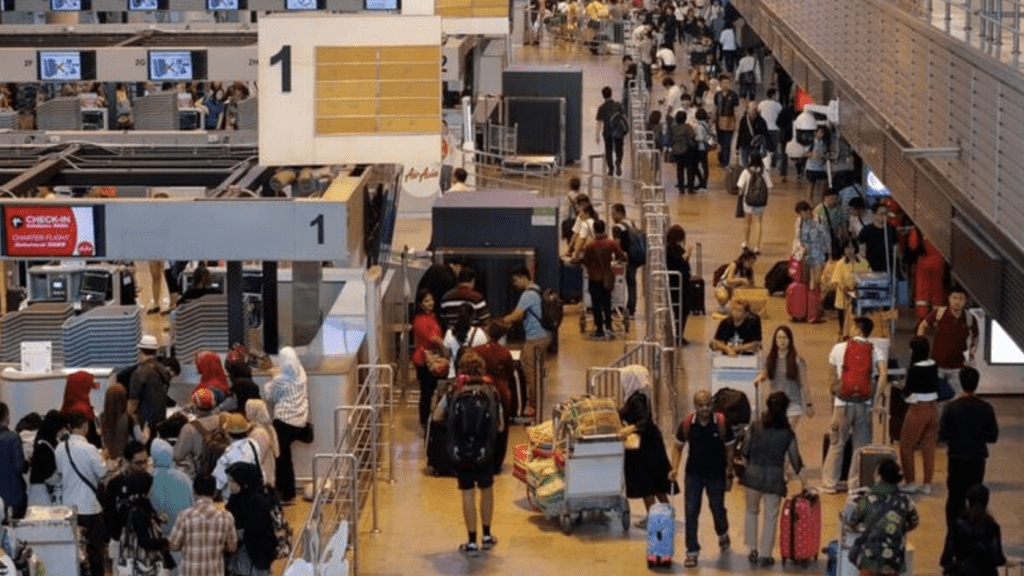
Thailand plans entry and exit fees totalling $338 for air travellers
09-10-2026 03:37 HKT
Chief Executive John Lee Ka-chiu's second policy address next week is expected to unveil plans to revamp the administration, go heavy on history and conflicts and set up new departments.
The address on October 25 is also expected to include measures covering the property and stock markets and to boost the birth rate.
Sources told Sing Tao Daily, The Standard's sister publication, that in setting up new operations Lee wants to speed up policy implementation.
This came after groups and offices that Lee established after taking office last July achieved solid results, including the Task Force to Lift Underprivileged Students out of Intergenerational Poverty led by Chief Secretary Eric Chan Kwok-ki.
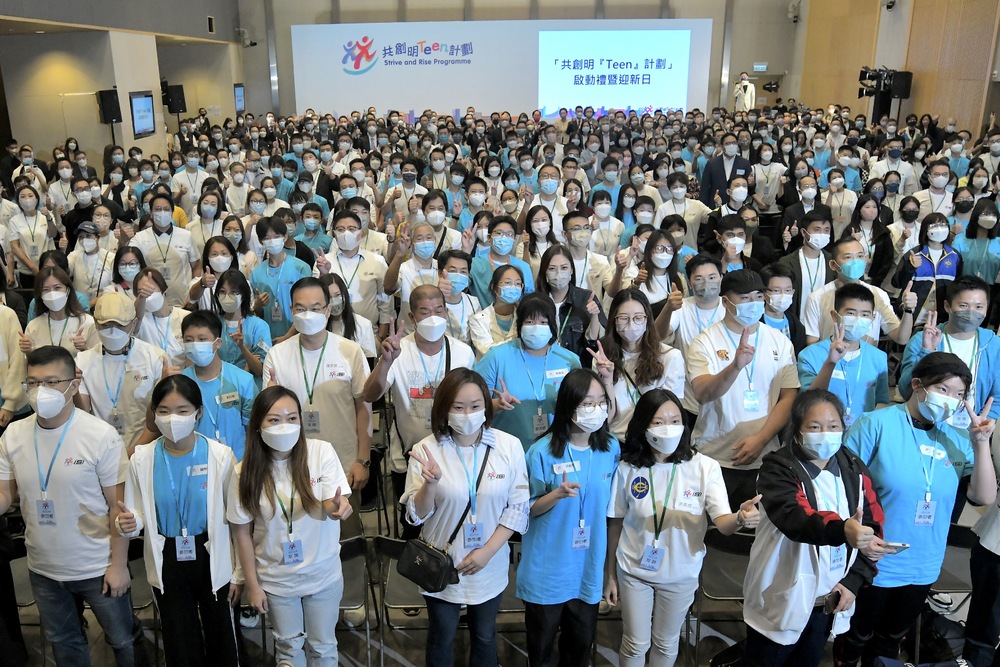
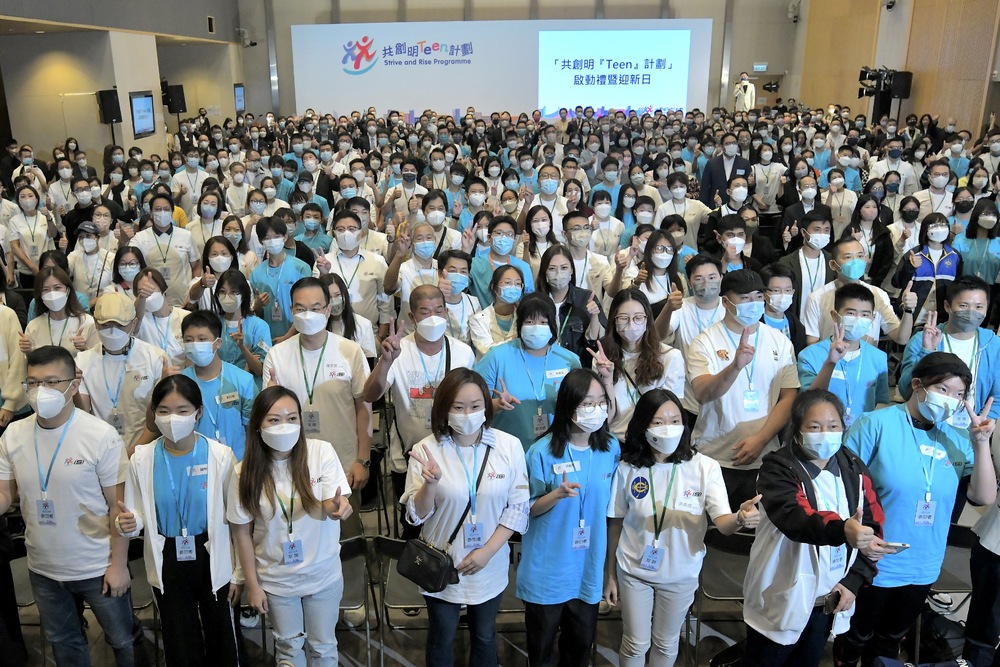
The Strive and Rise Program launched by the task force, which matches a tutor for underprivileged children to guide their career development, recruited 2,800 participants - 40 percent higher than the task force envisaged originally.
The District Matters Coordination Task Force led by Deputy Chief Secretary Warner Cheuk Wing-hing has also improved the hygiene black spots and street obstructions.
And the Office for Attracting Strategic Enterprises has contacted over 200 companies. And nearly 30 of them will set up offices in the SAR, investing more than HK$31 billion and creating 10,000 jobs.
It is understood that while creating new offices some existing departments will be restructured and renamed.
There will be a new industrialization office to advance intelligent and green manufacturing.
A new office promoting Chinese culture will also be set up to enhance Hong Kong's soft power and show the world the force of Chinese culture.
There are also plans to build a museum to commemorate the Battle of Hong Kong in December 1941, which led to a Japanese occupation that lasted three years and eight months until Tokyo surrendered in August 1945.
Authorities put great emphasis on the battle and hope to educate people, especially youngsters, about its historical facts.
Hong Kong has no government-led museum designated for the battle. Historical materials are stored separately in the Museum of History in Tsim Sha Tsui, the Museum of Coastal Defence in Shau Kei Wan and the privately-funded Hong Kong Sha Tau Kok Anti-war Memorial Hall, which opened last September.
It is understood one proposal is to redevelop the Museum of Coastal Defence as a center.
Lau Siu-kai, a consultant to the Chinese Association of Hong Kong and Macau Studies and a member of the Chief Executive's Policy Unit Expert Group, said departments have focused on their own activities and have not introduced policies from an overall perspective.
But Lau said Lee's team has made efforts to set key policy objectives and add deputy secretary positions for coordinating with different departments.
And Beijing supports the SAR becoming an art and cultural exchange center while stressing Chinese culture, Lau said.
He also said Hong Kong's anti-Japanese war history is related to the mainland and authorities could also include mainland history, including the Mukden Incident, to enrich the museum's content.
Legislative Council member and National People's Congress deputy Brave Chan Yung also said a new museum can cultivate patriotism.
But building a museum from scratch would be time-consuming, so he suggested the administration look to extend the Museum of History.
A member of the pro-establishment camp who did not wish to be named said the mainland's patriotic education law, which is being reviewed by the NPC standing committee, will not be included in the Basic Law.
But Hong Kong could still enhance its patriotic education in different ways, including setting up the museum.