Read More
Hong Kong's population climbed to 7.5 million by mid-year, up 2.1 percent on an annual basis because of a net inflow of 174,000 people.
ADVERTISEMENT
SCROLL TO CONTINUE WITH CONTENT
The number was almost the same as people who emigrated, ending the downward trend over the past three years.
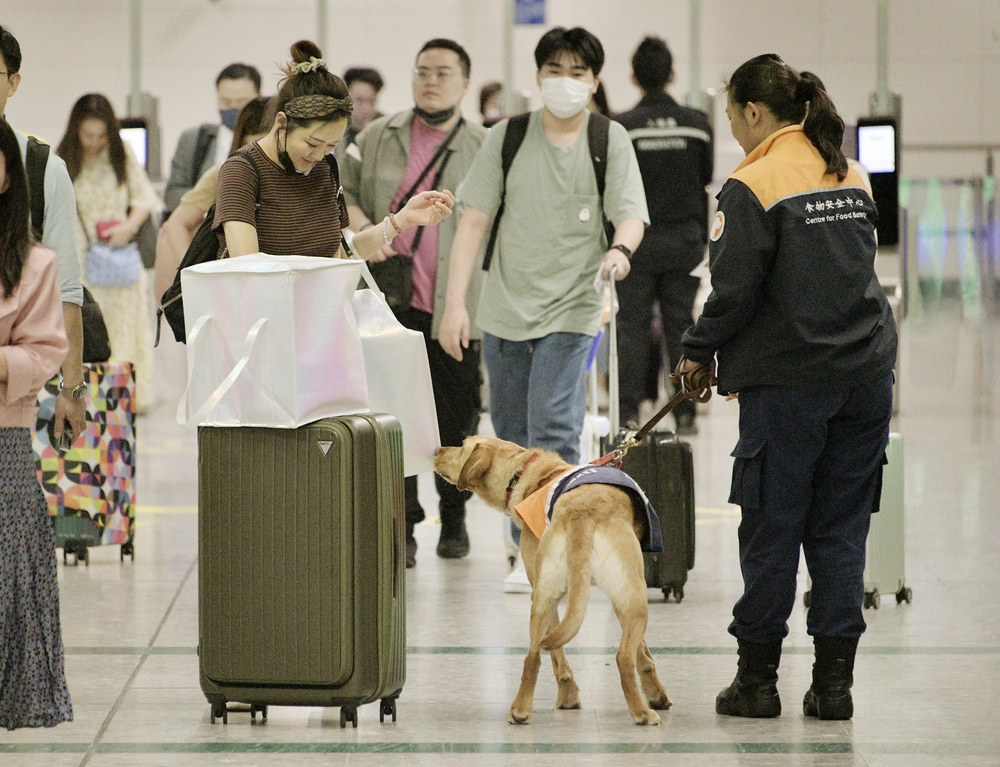
The increase is attributed to the gradual relaxation of pandemic controls since the second half of 2022 as normal travel between Hong Kong and the mainland and other parts of the world resumed.
Officials of the Census and Statistics Department reported yesterday that the city had an inflow of 31,000 mainlanders holding one-way permits and 143,000 others, taking the net inflow to 174,000.
But Hong Kong saw a natural decrease of 22,000 over the past 12 months with 32,600 births and 54,600 deaths.
With anti-pandemic measures eased since the second half of last year, cross-border travel has resumed and many Hongkongers living away have returned.
Mainlanders and others allowed entry to Hong Kong through various schemes led to the population increase, a government spokesman explained.
Terence Chong Tai-leung, an associate professor at Chinese University, told The Standard that many Hongkongers who had emigrated have also returned, leading to the increase in the population.
"In the past the net inflow of residents would be no more than 100,000," Chong said "The number of mainlanders coming to the city through the one-way permit was only also around 30,000 to 40,000 a year only.
"I believe many Hong Kong people who were living in the Greater Bay Area during the pandemic as well as those who emigrated overseas have returned."
Chong expects the increase in the population to continue for a few years, though he noted the population could not keep growing as the city has limited space.
He also said Hong Kong is a "free city" where people can choose to leave or stay and it welcomes people returning home.
Chong suggested that more supportive policies to attract nonlocal talent could include tax reductions after paying for medical services and their children's education.
Meanwhile, officials predict the population will reach 8.19 million in mid-2046 - or 780,000 more than the 7.41 million population in mid-2021 - under baseline projections.
Officials said the number of elderly citizens aged 65 and above will nearly double and reach 2.74 million over the 25-year period from last year to 2046.
"The corresponding proportion of the population is projected to increase from 20.5 percent to 36 percent, meaning more than one in every three Hong Kong people will be elderly," an official said.
And while the fertility rate is expected to remain low the number of children born to 1,000 women will rebound slightly from 772 in 2021 to 938 in 2046.
Schemes to attract nonlocal talent and workers are expected to bring in 890,000 one-way permit holders, 510,000 nonpermanent workers and 240,000 foreign domestic helpers.
"The trend of population aging and the low fertility rate will persist, leading to a change in the composition of domestic households and the supply of labor," an official said.
"However, as the epidemic subsides and society and the economy of Hong Kong further return to normalcy the city will continue to resume normal travel with the mainland and other places around the world.
"In addition, various policies on talent attraction and labor importation introduced by the current-term administration are conducive to pooling talent from outside Hong Kong, which will become a crucial driving force for future population growth, and thus the overall population will gradually increase."
wallis.wang@singtaonewscorp.com
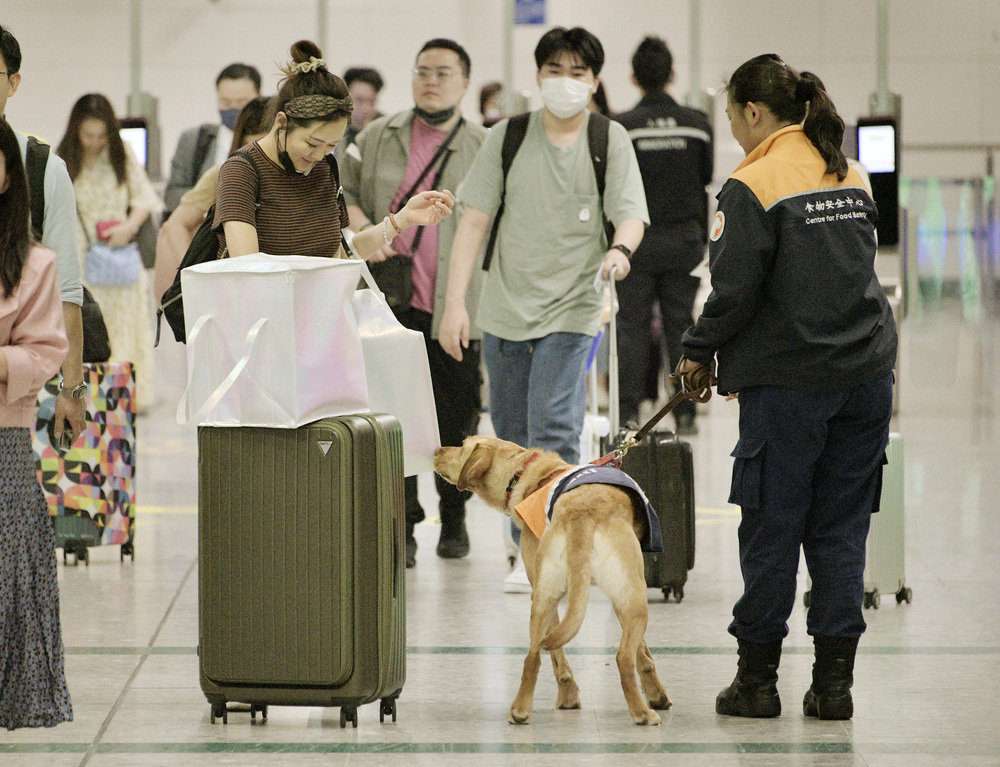
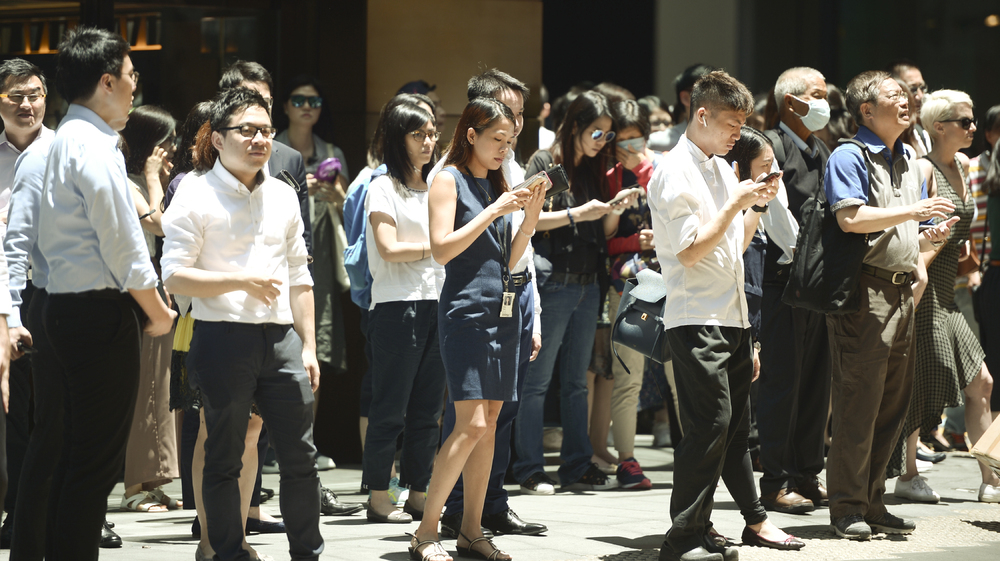
The increase is attributed to the relaxation of pandemic controls, allowing normal travel between Hong Kong and the mainland and other parts of the world. SING TAO